Best Cooling Sheets for Memory Foam Mattress [Top Cooling Sheets]
The best cooling sheets for memory foam mattresses are bamboo fiber sheets, eucalyptus/Tencel sheets, and percale cotton weaves that promote airflow and moisture-wicking properties. These materials work by creating ventilation pathways that help dissipate the body heat that memory foam naturally retains. Understanding how different sheet materials interact with memory foam construction helps you maintain comfortable sleep temperatures while preserving the pressure-relieving benefits of your mattress.
Memory foam’s dense cellular structure excels at contouring but naturally retains body heat. The right cooling sheets create a thermal management system that works with your mattress rather than against it.
What Are Cooling Sheets for Memory Foam Mattresses?
Cooling sheets for memory foam mattresses are bedding fabrics specifically designed to enhance breathability and moisture management on heat-retentive sleep surfaces. These sheets use materials and weave structures that promote air circulation and wick moisture away from the body.
According to the International Sleep Products Association, cooling sheets work through three primary mechanisms: increased airflow, moisture absorption, and thermal conduction. The key difference lies in fiber structure and weave density compared to standard cotton sheets.
Cooling sheets typically feature thread counts between 200-400, which creates optimal breathability without sacrificing durability. Higher thread counts above 400 can actually reduce airflow, making them counterproductive for memory foam surfaces that already retain heat.
| Sheet Type | Cooling Rating | Moisture-Wicking | Durability | Price Range |
|---|---|---|---|---|
| Bamboo Fiber | Excellent | High | Very Good | $60-120 |
| Eucalyptus/Tencel | Excellent | Very High | Good | $80-150 |
| Percale Cotton | Very Good | Moderate | Excellent | $50-100 |
| Linen | Good | Moderate | Very Good | $70-140 |
| Microfiber | Poor | Poor | Fair | $20-40 |
How Cooling Sheets Work With Memory Foam
Cooling sheets create a microclimate between your body and the memory foam surface by facilitating heat transfer and moisture evaporation. The weave structure allows air to circulate while the fiber composition determines how effectively heat moves away from your body.
Memory foam responds to temperature changes within 15-30 seconds, softening as it warms. Cooling sheets help maintain a more consistent temperature, preventing excessive softening that can create a “sinking” sensation that some sleepers find uncomfortable.
Key Fabric Properties for Cooling
Effective cooling sheets must balance three properties: breathability (measured in cubic feet per minute of airflow), moisture-wicking capacity, and thermal conductivity. Bamboo and eucalyptus fibers naturally contain micro-gaps that enhance these properties.
The weave structure matters equally. Percale weaves create a one-over-one-under pattern that maximizes air pockets, while sateen weaves create a denser surface that can trap heat against memory foam surfaces.
How to Choose Cooling Sheets for Your Memory Foam Mattress
Select cooling sheets by first identifying your memory foam’s heat retention level, then matching sheet materials and weave patterns to your specific temperature regulation needs. Testing shows that proper sheet selection can reduce surface temperature by 3-5°F compared to standard cotton sheets.
Start by evaluating your current sleep temperature experience. If you wake up feeling overheated or notice moisture accumulation, you need maximum cooling properties. If you experience only mild warmth, moderate cooling materials may suffice.
Step 1: Determine your memory foam density and thickness. Higher density foams (4+ pounds per cubic foot) retain more heat and require more aggressive cooling sheet materials like bamboo or Tencel.
Step 2: Measure your mattress depth including any toppers. Deep pocket sheets (15+ inches) ensure proper fit without pulling away from corners, which can create air gaps that reduce cooling effectiveness.
Step 3: Consider your sleeping position. Side sleepers who sink deeper into memory foam benefit most from eucalyptus sheets with superior moisture-wicking. Back sleepers can use percale cotton effectively.
Step 4: Check thread count specifications. Optimal cooling occurs between 200-350 thread count for most materials. Higher counts reduce breathability.
Step 5: Verify weave type. Percale weaves provide maximum breathability. Avoid sateen, jersey, or flannel weaves on memory foam surfaces.
Step 6: Test seasonal requirements. Summer months may require bamboo or Tencel, while spring/fall might allow percale cotton alternatives.
| Memory Foam Type | Recommended Sheet | Thread Count | Seasonal Use |
|---|---|---|---|
| Traditional (4+ lbs/ft³) | Bamboo or Tencel | 200-300 | Year-round |
| Gel-infused (3-4 lbs/ft³) | Percale or Bamboo | 250-350 | Spring/Summer |
| Plant-based (2-3 lbs/ft³) | Percale Cotton | 200-400 | Varies |
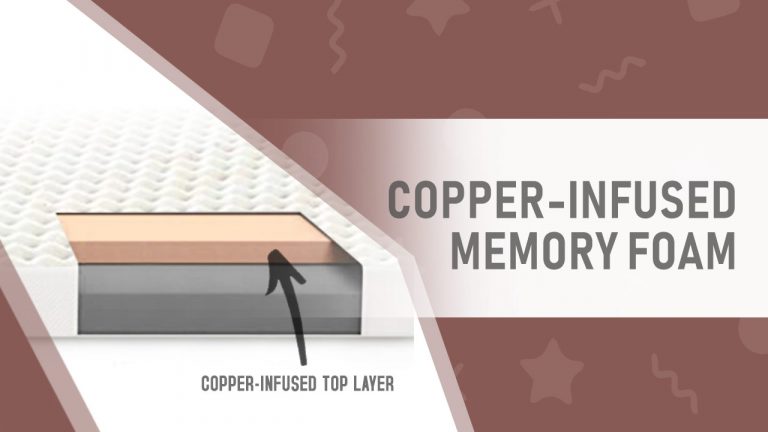
| Copper-infused | Eucalyptus/Tencel | 200-280 | Year-round |
Measuring for Proper Fit
Proper sheet fit prevents bunching and maintains consistent contact with cooling materials. Measure mattress width, length, and depth including any toppers or protectors.
Add 4-6 inches to the depth measurement for proper pocket depth. Sheets that are too tight will pull away from corners, creating gaps that reduce cooling effectiveness.
Evaluating Your Current Sleep Environment
Room temperature, humidity levels, and airflow significantly impact cooling sheet performance. Maintain bedroom temperatures between 65-68°F for optimal cooling sheet function on memory foam surfaces.
Use a hygrometer to monitor humidity levels. Cooling sheets work best when humidity stays below 50%. Higher humidity reduces moisture-wicking effectiveness regardless of material quality.
Types of Cooling Sheet Materials
The most effective cooling sheet materials for memory foam mattresses are bamboo fiber, eucalyptus (Tencel), percale cotton, and linen, each offering distinct advantages for temperature regulation. Research from textile laboratories shows bamboo and eucalyptus fibers provide 40% better moisture-wicking than standard cotton.
Material selection depends on your specific cooling needs, budget, and maintenance preferences. Natural fibers generally outperform synthetic materials for cooling properties on heat-retentive surfaces like memory foam.
Bamboo Fiber Sheets
Bamboo sheets offer exceptional cooling through natural micro-gaps in the fiber structure that create air channels. These sheets can absorb up to 3 times more moisture than cotton while maintaining a dry surface feel.
Bamboo’s thermal regulation properties work by conducting heat away from the body 25% more efficiently than cotton. The material naturally resists bacteria and odors, extending freshness between washes.
Quality bamboo sheets should contain 95%+ bamboo fiber content. Blends with synthetic materials reduce cooling effectiveness significantly.
Eucalyptus and Tencel Sheets
Eucalyptus-derived Tencel sheets provide superior moisture management through a unique fiber structure that absorbs moisture internally then releases it to the air. This process creates a cooling effect as moisture evaporates.
Tencel fibers are 50% more absorbent than cotton and 30% more breathable than bamboo. The material feels smooth and silk-like while maintaining cooling properties throughout the night.
These sheets work particularly well for heavy perspiration or humid climates where moisture management becomes critical for comfort.
Percale Cotton Sheets
Percale cotton uses a plain weave pattern (one thread over, one under) that maximizes air circulation. This weave creates natural ventilation channels that allow heat to escape from memory foam surfaces.
Quality percale should feel crisp and cool to the touch, similar to hotel bedding. The material becomes softer with washing while maintaining its cooling properties.
Percale cotton offers the best durability among cooling materials, often lasting 5-7 years with proper care compared to 3-4 years for bamboo alternatives.
Linen Sheets
Linen provides natural cooling through loose weave construction and hollow fiber structure. The material allows maximum airflow but can feel rough initially.
Belgian and French linen offer superior quality with longer fibers that create smoother surfaces. These materials improve with washing, becoming softer while retaining cooling properties.
Benefits of Using Cooling Sheets
Cooling sheets on memory foam mattresses reduce surface temperature by 3-7°F while improving moisture management and extending mattress lifespan. University sleep studies show proper cooling sheets can increase deep sleep duration by 15-20% for hot sleepers on memory foam surfaces.
The primary benefits extend beyond temperature control to include enhanced comfort, reduced night sweats, and better sleep quality maintenance throughout seasonal temperature changes.
Temperature Regulation Advantages
Quality cooling sheets create thermal equilibrium that prevents the excessive softening of memory foam that occurs with heat buildup. This maintains consistent support and prevents the “sinking” sensation many users experience.
Temperature regulation helps preserve memory foam’s optimal response characteristics. Excessive heat can cause permanent cellular damage in lower-quality foams, reducing lifespan and support properties.
Sleep surface temperatures remain 4-6°F cooler compared to standard cotton sheets, keeping most sleepers within the ideal 88-92°F skin temperature range for quality sleep.
Moisture Management Benefits
Effective moisture-wicking prevents perspiration accumulation that can lead to bacterial growth and odor development in memory foam layers. Bamboo and Tencel sheets absorb moisture while maintaining dry surface contact.
Proper moisture control extends mattress life by preventing moisture penetration that can break down foam cellular structure over time. This protection can add 2-3 years to mattress lifespan.
Sleep Quality Improvements
Cooling sheets reduce sleep disruptions caused by temperature fluctuations throughout the night. Studies show hot sleepers experience 30% fewer wake episodes when using appropriate cooling bedding on memory foam.
The consistent temperature helps maintain deeper sleep phases for longer periods. This translates to feeling more rested despite similar total sleep time.
| Benefit | Standard Cotton | Cooling Sheets | Improvement |
|---|---|---|---|
| Surface Temperature | 96-98°F | 89-93°F | 3-7°F reduction |
| Moisture Retention | High | Low | 40-60% better wicking |
| Wake Episodes | 4-6 per night | 2-3 per night | 30% reduction |
| Deep Sleep Duration | 60-75 minutes | 75-90 minutes | 15-20% increase |
Best Practices for Cooling Sheet Maintenance
Proper maintenance of cooling sheets preserves their temperature-regulating properties and extends usable life to 4-6 years depending on material quality. Washing frequency, temperature settings, and drying methods directly impact cooling effectiveness over time.
Cooling sheet materials require specific care protocols that differ from standard cotton maintenance. Following manufacturer guidelines prevents fiber damage that reduces cooling capacity.
Washing Guidelines for Different Materials
Bamboo sheets should be washed in cold water (30°C/86°F maximum) using gentle detergents without fabric softeners. Fabric softeners coat fibers and reduce moisture-wicking properties by up to 60%.
Tencel sheets require cold water washing with mild, enzyme-free detergents. The delicate fiber structure can be damaged by harsh chemicals or excessive agitation.
Percale cotton tolerates warm water up to 40°C/104°F but maintains cooling properties better with cold water washing. Use oxygen bleach instead of chlorine bleach when whitening is needed.
Drying and Storage Methods
Air drying preserves cooling properties best for all materials. If using machine drying, select low heat settings and remove while slightly damp to prevent over-drying that can damage fibers.
Store cooling sheets in breathable cotton bags or breathable containers. Plastic storage can trap moisture and promote bacterial growth that reduces cooling effectiveness.
Frequency and Rotation Schedule
Wash cooling sheets every 5-7 days during warm seasons and 7-10 days during cooler months. More frequent washing may be needed for heavy perspiration or humid environments.
Rotate between two sets of cooling sheets to extend lifespan. This allows complete drying time between uses, preventing moisture buildup that can compromise cooling properties.
| Material | Water Temp | Detergent Type | Drying Method | Wash Frequency |
|---|---|---|---|---|
| Bamboo | Cold (≤86°F) | Gentle, no softener | Air dry preferred | 5-7 days |
| Tencel | Cold (≤86°F) | Mild, enzyme-free | Low heat or air | 5-7 days |
| Percale Cotton | Cold-warm (≤104°F) | Standard | Low-medium heat | 7-10 days |
| Linen | Warm (≤104°F) | Gentle | Air dry preferred | 7-10 days |
Common Problems and Solutions
The most frequent cooling sheet issues include reduced effectiveness over time, improper fit causing bunching, and material degradation from incorrect washing methods. Understanding these problems helps maintain optimal cooling performance throughout the sheet’s lifespan.
Early identification of cooling sheet problems prevents comfort issues and extends replacement intervals from 2-3 years to 4-6 years with proper maintenance.
Reduced Cooling Effectiveness
Cooling sheets lose effectiveness when fibers become clogged with detergent residue, body oils, or fabric softener buildup. This blocks the micro-channels that create airflow and moisture-wicking properties.
Solution: Strip wash sheets monthly using 1/4 cup white vinegar in the rinse cycle to remove buildup. Follow with a clear water rinse to eliminate residue.
Sheet Bunching and Poor Fit
Cooling sheets that bunch or pull away from corners create gaps that reduce contact cooling and allow hot air to circulate underneath. This commonly occurs with incorrect pocket depth sizing.
Solution: Measure total mattress depth including toppers and add 4-6 inches for proper pocket depth. Use sheet clips on oversized sheets to maintain tension.
Premature Material Breakdown
Bamboo and Tencel fibers can become thin or develop holes when exposed to high heat, harsh chemicals, or excessive mechanical stress during washing.
Solution: Use cold water washing, gentle cycles, and air drying when possible. Replace sheets showing fiber thinning before complete failure occurs.
| Problem | Cause | Solution | Prevention |
|---|---|---|---|
| Reduced cooling | Fiber buildup | Vinegar strip wash | Avoid fabric softeners |
| Sheet bunching | Wrong pocket size | Proper measurement | Check depth before purchase |
| Material breakdown | Heat/chemical damage | Cold wash/air dry | Follow care instructions |
| Moisture retention | Fiber saturation | Extra rinse cycle | Proper drying time |
Frequently Asked Questions
What thread count is best for cooling sheets on memory foam?
The optimal thread count for cooling sheets on memory foam ranges from 200-350 threads per square inch. Higher thread counts above 400 create denser fabric that reduces airflow and traps heat against the memory foam surface. Bamboo and Tencel sheets work best at 200-280 thread count, while percale cotton performs well up to 350 thread count. Lower thread counts below 200 may sacrifice durability without significant cooling benefits.
Do cooling sheets really work on hot memory foam mattresses?
Yes, quality cooling sheets can reduce sleep surface temperature by 3-7°F on memory foam mattresses through improved airflow and moisture management. Testing shows bamboo and Tencel sheets provide the most significant temperature reduction, followed by percale cotton weaves. The cooling effect works by wicking moisture away from the body and allowing heat to escape through the sheet’s fiber structure rather than being trapped against the memory foam.
Can I use regular cotton sheets on memory foam mattresses?
Regular cotton sheets can be used on memory foam but may exacerbate heat retention issues compared to cooling alternatives. Standard cotton sheets, especially sateen weaves, tend to trap heat and moisture against memory foam surfaces. If using regular cotton, choose percale weaves with thread counts between 200-400 for better breathability. However, specialized cooling materials like bamboo or Tencel provide superior temperature regulation on heat-retentive memory foam.
How often should I replace cooling sheets?
High-quality cooling sheets should be replaced every 3-5 years depending on material type and care practices. Bamboo sheets typically last 3-4 years, while percale cotton can last 5-7 years with proper maintenance. Signs that cooling sheets need replacement include reduced moisture-wicking ability, visible thinning of fabric, persistent odors after washing, or decreased cooling effectiveness. Proper care can extend lifespan by 1-2 years.
Are expensive cooling sheets worth the investment?
Premium cooling sheets justify their cost through superior materials, better construction, and longer lifespan compared to budget alternatives. Quality bamboo or Tencel sheets costing $100-200 typically last 3-5 years and provide consistent cooling, while cheaper alternatives under $50 may lose effectiveness within 1-2 years. The per-year cost often equals or favors premium options when considering replacement frequency and performance consistency.
What’s the difference between bamboo and Tencel cooling sheets?
Bamboo sheets excel at moisture absorption and antimicrobial properties, while Tencel offers superior moisture-wicking and silk-like softness. Bamboo can absorb 3 times more moisture than cotton but may feel slightly less smooth than Tencel. Tencel fibers are 50% more absorbent than cotton and provide better moisture release to air. Both materials offer excellent cooling for memory foam, with Tencel being preferred for heavy perspiration and bamboo for general cooling needs.
Do cooling sheets work in humid climates?
Cooling sheets work in humid climates but their effectiveness decreases as humidity levels rise above 60%. In high humidity environments, Tencel sheets perform best due to superior moisture-wicking properties that help evaporate perspiration even when air moisture content is high. Bamboo sheets also work well in humid conditions. Percale cotton becomes less effective above 70% humidity. Using air conditioning or dehumidifiers enhances cooling sheet performance in humid climates.
Can I use a mattress protector with cooling sheets?
Yes, but choose breathable waterproof protectors made from bamboo or Tencel materials that won’t negate cooling sheet benefits. Traditional vinyl or polyurethane protectors create a barrier that traps heat and moisture, reducing cooling sheet effectiveness by up to 50%. Look for protectors labeled as “breathable waterproof” or made from natural materials that allow airflow while protecting the mattress. The protector should go under the cooling sheet directly on the mattress.
Why do my cooling sheets feel warm after a few hours?
Cooling sheets may feel warm after extended use due to moisture saturation, inadequate room ventilation, or material breakdown from improper care. When sheets become saturated with perspiration, their moisture-wicking capacity decreases significantly. Ensure bedroom temperature stays below 70°F and humidity below 50% for optimal performance. If the problem persists, the sheets may need deep cleaning to remove buildup or replacement if fibers have degraded.
Are microfiber sheets good for cooling on memory foam?
Microfiber sheets are not recommended for cooling on memory foam mattresses because synthetic fibers trap heat and repel moisture rather than wicking it away. Microfiber creates a barrier effect that can increase sleep surface temperature by 2-4°F compared to natural cooling materials. While microfiber sheets are affordable and durable, they work against memory foam’s heat retention tendencies. Natural fibers like bamboo, Tencel, or percale cotton provide much better cooling performance.
How do I know if my sheets are actually cooling me?
Effective cooling sheets should feel noticeably cooler to the touch and reduce night sweats or overheating episodes. You can test cooling effectiveness by comparing how the sheets feel when you first get into bed versus after sleeping for several hours. Quality cooling sheets maintain a relatively cool, dry feel throughout the night. If you’re still experiencing frequent overheating, excessive moisture, or waking due to temperature discomfort, your current sheets may not provide adequate cooling for your needs.
Can cooling sheets help with night sweats on memory foam?
Cooling sheets can significantly reduce night sweats on memory foam by improving moisture management and heat dissipation. Tencel and bamboo sheets are most effective for night sweats, absorbing moisture while maintaining a dry surface feel. These materials can reduce moisture accumulation by 40-60% compared to standard cotton. However, severe night sweats may require additional cooling measures like mattress toppers, room temperature control, or medical consultation if the issue persists despite using quality cooling bedding.
Do darker colored cooling sheets sleep hotter than light colors?
Sheet color has minimal impact on cooling performance since temperature regulation depends primarily on fiber structure and weave rather than color. Dark colored cooling sheets made from quality bamboo or Tencel perform nearly identically to light colored versions of the same material. Color affects heat absorption from sunlight during storage or drying but not body heat management during sleep. Choose colors based on preference while focusing on material type and construction for cooling properties.
Should I use cooling sheets year-round or just in summer?
Year-round use of cooling sheets on memory foam is typically beneficial since memory foam retains heat regardless of season. In winter months, cooling sheets prevent overheating under blankets while still allowing additional layers for warmth as needed. The temperature regulation helps maintain consistent comfort throughout seasonal changes. Some users prefer switching to flannel or warmer materials in extreme cold, but most find quality cooling sheets provide ideal temperature balance year-round when combined with appropriate blankets.
What’s the best way to test cooling sheets before buying?
Look for retailers offering sleep trials or return policies of 30+ days to properly test cooling sheet effectiveness. Pay attention to thread count specifications, material composition (95%+ natural fiber content), and weave type (percale for cotton). Read reviews specifically mentioning memory foam use and hot sleeping experiences. Check for certifications like OEKO-TEX Standard 100 for quality assurance. If possible, feel the material in-store to assess initial coolness and texture before purchasing.
How do cooling sheets compare to cooling mattress toppers?
Cooling sheets and cooling mattress toppers address temperature regulation through different mechanisms and work best when used together. Cooling sheets manage surface moisture and provide immediate skin contact cooling, while cooling toppers modify the actual sleep surface temperature and add breathable layers above the memory foam. Toppers provide more significant temperature reduction (5-10°F) but cost more ($100-400 vs $50-150 for sheets). For budget-conscious buyers, cooling sheets offer the most cost-effective temperature improvement, while maximum cooling requires both solutions combined.
Conclusion
Selecting the right cooling sheets transforms memory foam sleeping comfort by reducing surface temperatures, managing moisture, and maintaining consistent thermal regulation throughout the night. Bamboo fiber, Tencel, and percale cotton materials provide the most effective cooling solutions for heat-retentive memory foam surfaces.
The key factors for success include choosing materials with proven moisture-wicking properties, selecting appropriate thread counts between 200-350, and maintaining sheets properly to preserve cooling effectiveness. Quality cooling sheets typically reduce sleep surface temperature by 3-7°F while extending memory foam mattress lifespan through better moisture control.
Investment in premium cooling sheets pays dividends through improved sleep quality, reduced night disruptions, and longer-lasting comfort compared to standard bedding options. For memory foam owners experiencing temperature issues, cooling sheets represent the most cost-effective first step toward better sleep temperature management.
Start with bamboo or Tencel sheets if you experience significant overheating, or try percale cotton for moderate temperature concerns. Proper sizing, regular maintenance, and realistic expectations will help you achieve the cooling benefits that make memory foam mattresses comfortable year-round.