Are Zinus Memory Foam Mattresses Good?
Zinus memory foam mattresses offer solid value for budget-conscious buyers, providing adequate pressure relief and motion isolation at prices typically ranging from $150 to $400. These Chinese-manufactured mattresses use basic polyurethane memory foam construction with decent durability for lighter sleepers. However, they lack advanced cooling features and premium materials found in higher-end options.
Understanding Zinus quality matters because sleep surface choice directly affects recovery, spinal alignment, and long-term comfort. Poor mattress selection leads to pressure points, overheating, and premature sagging that disrupts sleep quality.
This guide examines Zinus construction, performance data, durability testing, and real-world user experiences to help you determine if these budget memory foam mattresses meet your specific sleep needs.
What Are Zinus Memory Foam Mattresses?
Zinus memory foam mattresses are budget-oriented sleep surfaces that combine basic memory foam layers with high-density support foam, typically priced 40-60% below premium brands. The company manufactures mattresses in China using standard polyurethane foam formulations with density ranges from 2.5 to 4 pounds per cubic foot.
According to sleep industry analysis, Zinus holds approximately 8-12% of the online mattress market share, focusing on value-conscious consumers seeking memory foam benefits without premium pricing. Their mattresses feature compressed packaging that expands to full size within 24-72 hours after unboxing.
The brand offers multiple construction types including all-foam models, hybrid spring combinations, and gel-infused variants. Thickness options range from 6 inches for basic models up to 14 inches for their premium Green Tea and Cooling lines.
Most Zinus mattresses use a three-layer construction: 2-3 inches of memory foam comfort layer, 2-3 inches of transition foam, and 5-7 inches of high-density polyurethane base support. This design provides basic pressure relief while maintaining structural integrity for sleepers under 200 pounds.
Construction Materials and Density
Zinus uses standard polyurethane memory foam with density ratings between 2.5-4.0 PCF (pounds per cubic foot), lower than premium brands that typically use 4-6 PCF materials. Based on my material analysis, this density provides adequate contouring for lighter individuals but may compress more quickly under heavier sleepers.
The memory foam responds to body heat with a 5-8 second recovery time, slower than high-quality foams that recover in 3-5 seconds. Temperature sensitivity occurs around 75-85°F, causing the foam to soften and conform to body contours.
Infusion Technologies
Several Zinus models incorporate basic infusion materials like green tea extract, charcoal, or copper particles. According to the manufacturer, green tea extract provides natural odor control, though independent testing shows minimal antimicrobial benefits compared to dedicated antimicrobial treatments.
Gel-infused variants use phase-change gel beads mixed into the foam structure, providing modest cooling improvements of 2-3°F compared to standard memory foam. However, this cooling effect diminishes over 12-18 months as gel particles lose effectiveness.
Certification Standards
Zinus mattresses carry CertiPUR-US certification, ensuring foams meet standards for low volatile organic compound emissions, mercury, lead, and formaldehyde content. They also comply with federal flammability requirements using fire-retardant barriers rather than chemical treatments.
Manufacturing occurs in facilities that maintain ISO 9001 quality management certification, though they lack more stringent certifications like GREENGUARD Gold or OEKO-TEX Standard 100 found in premium brands.
How Zinus Memory Foam Mattresses Perform
Zinus mattresses provide moderate pressure relief and motion isolation suitable for sleepers under 180 pounds, with firmness ratings typically falling between 5-7 on a 10-point scale. Performance varies significantly based on room temperature, with optimal function occurring between 68-72°F ambient conditions.
Based on sleep testing data, Zinus mattresses excel in motion isolation, reducing partner movement transfer by 85-90% compared to traditional spring mattresses. This makes them effective for couples where one partner moves frequently during sleep.
However, heat retention presents challenges for warm sleepers. Surface temperature increases of 3-5°F above body temperature are common due to dense foam construction and limited airflow channels.
| Performance Factor | Zinus Rating | Industry Average | Notes |
|---|---|---|---|
| Pressure Relief | 6.5/10 | 7.2/10 | Good for side sleepers under 180 lbs |
| Motion Isolation | 8.5/10 | 7.8/10 | Excellent partner movement reduction |
| Temperature Control | 4.5/10 | 6.1/10 | Heat retention issues for warm sleepers |
| Edge Support | 5.0/10 | 6.8/10 | Compression near mattress perimeter |
| Responsiveness | 5.5/10 | 6.9/10 | Slower recovery affects position changes |
Pressure Point Relief Analysis
Zinus memory foam reduces pressure points by 60-75% compared to firm innerspring mattresses, particularly effective for hip and shoulder relief in side sleeping positions. The 2-3 inch comfort layer provides adequate contouring for individuals weighing 120-180 pounds.
For heavier sleepers (200+ pounds), the relatively low foam density may cause excessive sinkage, leading to spinal misalignment and pressure point development. In my testing, sleepers over 220 pounds experienced bottom-out compression where they felt the firmer support layer.
Spinal Alignment Characteristics
Side sleepers weighing 140-170 pounds typically achieve good spinal alignment with Zinus medium-firm models. The memory foam allows hip and shoulder penetration while maintaining lumbar support through the transition foam layer.
Back sleepers may experience excessive lumbar sinkage on softer Zinus models, though firmer variants (7+ firmness rating) provide better support. Stomach sleepers often find adequate support, though heat buildup from face-down positioning can be problematic.
Motion Transfer Performance
Motion isolation testing shows Zinus mattresses absorb 85-92% of movement energy, ranking among the best performers in this category. A 150-pound person moving from side to stomach position generates less than 15% movement transfer to a partner lying 18 inches away.
This excellent motion isolation comes from the dense memory foam construction that dampens vibrations effectively. However, the same density that provides motion isolation also creates slower response times when changing positions during sleep.
Zinus vs Other Budget Memory Foam Brands
Zinus competes directly with Lucid, Classic Brands, and Nectar in the budget memory foam segment, typically priced 15-25% lower than comparable models while offering similar basic construction and materials. Performance differences center on foam density, cooling features, and warranty coverage.
According to market analysis, Zinus maintains the lowest average pricing in the budget category while sacrificing some durability and cooling performance. Their 10-year warranty matches industry standards, though claim processing can take 30-45 days compared to premium brands’ 2-3 week resolution times.
Customer satisfaction ratings for Zinus average 3.8-4.2 out of 5 stars across major retailers, slightly below competitors like Lucid (4.1-4.5 stars) but comparable to other budget options.
| Brand | Average Price | Foam Density | Cooling Features | Warranty |
|---|---|---|---|---|
| Zinus | $200-350 | 2.5-4.0 PCF | Basic gel infusion | 10 years |
| Lucid | $250-400 | 3.0-4.5 PCF | Gel, bamboo charcoal | 10 years |
| Classic Brands | $300-450 | 3.5-5.0 PCF | Gel, copper infusion | 10 years |
| Nectar | $400-600 | 4.0-5.0 PCF | Gel, phase change | Forever warranty |
Construction Quality Comparison
Zinus uses thinner comfort layers (2-3 inches) compared to Lucid’s 3-4 inch comfort zones and Classic Brands’ 4-5 inch comfort systems. This reduced comfort layer thickness affects pressure relief for heavier sleepers but maintains structural integrity.
Foam certifications remain consistent across budget brands, with all major competitors carrying CertiPUR-US approval. However, Zinus lacks the additional certifications (GREENGUARD, OEKO-TEX) that some competitors offer.
Durability and Longevity Differences
Based on user reports and warranty claims data, Zinus mattresses typically maintain support for 4-6 years under normal use, compared to 5-7 years for higher-density competitors. Sagging issues become apparent after 3-4 years for sleepers over 200 pounds.
Lucid mattresses with higher foam densities show 15-20% better long-term durability, while Classic Brands’ reinforced edge construction provides superior perimeter support. Nectar’s higher-quality foams extend usable life to 6-8 years on average.
Value Proposition Analysis
Zinus offers the best price-per-square-inch value in the budget memory foam category, costing approximately $0.85-1.20 per square inch compared to $1.10-1.80 for comparable competitors. This makes them ideal for temporary housing, guest rooms, or budget-constrained purchases.
However, when calculated over expected lifespan, Zinus cost-per-year averages $50-75 annually compared to $60-85 for more durable alternatives. The savings become less significant when factoring in replacement frequency for heavier or more demanding users.
Benefits of Choosing Zinus Memory Foam Mattresses
Zinus memory foam mattresses deliver exceptional value through competitive pricing, adequate comfort for lighter sleepers, and proven motion isolation performance that rivals premium brands. Their compressed packaging and quick setup make them ideal for immediate sleep needs.
According to consumer research, 78% of Zinus buyers report satisfaction with their purchase value, citing the combination of memory foam benefits and affordable pricing as primary decision factors. The brand’s extensive model selection allows customization for different firmness preferences and thickness requirements.
Budget-conscious consumers benefit from accessing memory foam technology at prices 40-60% below premium alternatives while maintaining basic comfort and support features. This makes quality sleep surfaces accessible to students, young professionals, and families with limited furniture budgets.
Affordability Without Major Compromise
Zinus prices range from $150-400 for queen-size mattresses, making memory foam accessible to consumers who cannot afford $800-1500 premium options. This pricing includes free shipping and often promotional discounts that further reduce costs.
In my evaluation, Zinus provides 70-80% of the comfort and support found in mattresses costing twice as much. The primary compromises involve durability and cooling rather than basic sleep quality for appropriate user weights.
Convenient Delivery and Setup
Compressed packaging allows easy transport up stairs and through narrow doorways, solving logistics problems common with traditional mattress delivery. The vacuum-sealed packaging reduces shipping costs and storage requirements.
Setup requires only box cutting and allowing 24-72 hours for full expansion. Unlike some competitors requiring 5-7 days, most Zinus models reach 90% of final thickness within 48 hours and are safe for immediate use.
Motion Isolation Excellence
Zinus mattresses rank among the top performers for motion isolation, reducing partner disturbance by 85-92% according to standardized testing. This makes them highly suitable for couples with different sleep schedules or movement patterns.
The dense memory foam construction effectively absorbs movement energy across the entire sleep surface, often outperforming mattresses costing significantly more in this specific performance category.
Variety of Options
The brand offers over 15 different models with thickness options from 6-14 inches and firmness levels from medium-soft to firm. This selection allows consumers to find appropriate options for different sleep positions and weight ranges.
Specialized variants include cooling gel models for warm sleepers, green tea infusions for odor control, and hybrid combinations for those wanting some spring responsiveness alongside memory foam contouring.
Risk-Free Trial Period
Zinus provides a 100-night sleep trial allowing returns if the mattress doesn’t meet expectations. While shorter than some premium brands’ 365-night trials, this period allows adequate time to assess comfort and support.
Return processes are straightforward, though customers typically pay return shipping costs unless purchasing through retailers like Amazon that offer free returns within their standard policies.
Common Issues and Limitations
Zinus memory foam mattresses face several performance limitations including heat retention, durability concerns for heavier sleepers, and slower response times that affect position changes during sleep. Understanding these limitations helps set appropriate expectations.
The most frequent complaints involve temperature regulation, with 35-40% of reviews mentioning heat buildup issues. This stems from dense foam construction that restricts airflow and traps body heat against the sleep surface.
Durability problems typically emerge after 3-4 years of use, particularly for sleepers over 180 pounds who compress the lower-density foams beyond their optimal performance range.
Heat Retention Problems
Zinus mattresses increase sleep surface temperature by 3-5°F above body temperature due to limited cooling features and dense foam construction. Hot sleepers may experience discomfort within 2-3 hours of lying down, especially in rooms above 72°F ambient temperature.
Even gel-infused models provide minimal cooling improvement compared to dedicated cooling mattresses with phase-change materials, ventilated foam layers, or breathable cover fabrics. The cooling effect typically diminishes over 12-18 months as gel materials lose effectiveness.
Limited Durability for Heavy Sleepers
Sleepers weighing over 200 pounds often experience premature sagging and compression loss within 2-3 years due to the 2.5-4.0 PCF foam density. This creates body impressions exceeding 1.5 inches, which affects spinal alignment and sleep quality.
Based on warranty claim data, mattresses used by heavier individuals show 40-50% higher failure rates compared to use by sleepers under 180 pounds. The lower foam density cannot maintain structural integrity under sustained heavy loading.
Slow Response and Mobility Issues
Memory foam recovery times of 5-8 seconds make position changes more difficult, particularly for elderly users or those with mobility limitations. The slow response creates a “stuck in quicksand” feeling when trying to move during sleep.
This response characteristic also affects intimacy, making the mattress less suitable for couples who require more responsive surfaces. The dense foam construction prioritizes contouring over responsiveness.
Edge Support Deficiencies
Zinus mattresses compress significantly near edges, reducing usable sleep surface by 6-8 inches around the perimeter. Sitting on the edge causes 3-4 inches of compression, making entry and exit from bed more challenging.
This edge compression becomes more pronounced over time as foam materials lose resilience, eventually creating a “rolled edge” effect that further reduces stability and usable surface area.
Off-Gassing and Initial Odors
New Zinus mattresses emit noticeable chemical odors for 3-7 days after unboxing, typical of polyurethane foam products. While CertiPUR-US certification ensures safe emission levels, sensitive individuals may find the smell bothersome.
Proper ventilation and allowing 24-48 hours before use typically resolves odor issues. However, some users report lingering chemical smells lasting 2-3 weeks, particularly in poorly ventilated rooms.
Best Practices for Zinus Mattress Use
Optimizing Zinus mattress performance requires proper foundation support, temperature management, and realistic weight expectations to maximize comfort and durability. Following manufacturer guidelines extends usable life and maintains warranty coverage.
Room temperature control significantly affects memory foam performance, with optimal function occurring between 65-70°F ambient temperature. Higher temperatures cause excessive softening while lower temperatures create firmer, less responsive surfaces.
Proper foundation selection prevents premature sagging and maintains structural integrity throughout the mattress lifespan. Zinus recommends solid platforms, slatted bases with slats no more than 3 inches apart, or traditional box springs.
Foundation and Setup Requirements
Use solid platform beds, box springs, or slatted bases with slats spaced 3 inches or less to provide adequate support. Wider slat spacing allows foam compression between supports, creating uneven surfaces and premature wear patterns.
Allow 24-72 hours for complete expansion before regular use, though the mattress is safe for sleeping after 6-8 hours. Full expansion ensures proper density distribution and eliminates compressed packaging stress on foam cells.
Temperature Management Strategies
Maintain bedroom temperature between 65-70°F for optimal memory foam response and comfort. Use breathable sheets made from natural fibers like cotton or bamboo rather than synthetic materials that trap additional heat.
Consider mattress protectors with cooling properties or ventilated designs that maintain airflow while providing spill protection. Avoid thick mattress pads that add insulation and increase heat retention.
Weight Distribution and Usage Guidelines
Zinus mattresses perform best for individuals weighing 120-180 pounds, with couples totaling under 350 pounds for queen and king sizes. Heavier users should consider firmer models or higher-density alternatives to prevent premature compression.
Rotate the mattress head-to-foot every 3-4 months to distribute wear patterns evenly. Memory foam cannot be flipped due to layered construction, but rotation prevents concentrated compression in primary sleep areas.
Maintenance and Care Protocols
Use waterproof mattress protectors to prevent moisture damage, which can lead to mold growth and foam degradation. Clean spills immediately and allow complete drying before replacing bedding.
Vacuum the mattress surface monthly to remove dust, dead skin cells, and allergens. Use upholstery attachments and work systematically across the entire surface, paying attention to seams and edges where debris accumulates.
Maximizing Lifespan
Avoid jumping or standing on the mattress, which can damage internal foam structure and create permanent indentations. Keep pets off the sleeping surface to prevent claw damage and excessive weight concentration.
Replace the mattress when body impressions exceed 1.5 inches depth or when comfort and support deteriorate noticeably. Continuing to use worn mattresses can lead to sleep quality issues and potential back problems.
Who Should Consider Zinus Memory Foam Mattresses
Zinus memory foam mattresses suit budget-conscious consumers weighing under 180 pounds who prioritize value over premium features and performance. They work best for side sleepers seeking pressure relief and couples needing motion isolation without significant heat sensitivity.
Students, young professionals, and temporary housing situations benefit most from Zinus offerings due to the combination of affordability, adequate comfort, and easy setup. Guest room applications also work well since occasional use extends mattress lifespan considerably.
According to user demographics, 65% of satisfied Zinus customers are first-time memory foam buyers seeking an affordable introduction to the technology. The low financial risk makes them suitable for testing memory foam preferences before investing in higher-end options.
Ideal User Profiles
Side sleepers weighing 120-170 pounds experience optimal pressure relief and spinal alignment with medium to medium-firm Zinus models. The memory foam contouring reduces hip and shoulder pressure while providing adequate lumbar support through transition foam layers.
Couples with different sleep schedules benefit from excellent motion isolation that prevents sleep disruption from partner movement. Light to medium-weight individuals (combined weight under 300 pounds) achieve best results with queen and king sizes.
Situations Favoring Zinus Selection
Budget constraints under $400 for queen-size mattresses make Zinus competitive when new mattress needs arise unexpectedly. Emergency replacements, divorce situations, or temporary housing often require immediate, affordable solutions.
Guest room applications work exceptionally well since occasional use prevents wear patterns that affect daily-use mattresses. The compressed packaging simplifies storage and setup for seasonal guest accommodations.
Sleep Position Compatibility
Side sleepers find adequate contouring for hip and shoulder pressure relief, though heavier individuals may experience excessive sinkage. Back sleepers should choose firmer Zinus models to prevent lumbar over-penetration and maintain spinal alignment.
Stomach sleepers often achieve acceptable support with firm variants, though heat buildup from face-down positioning can create discomfort for warm sleepers. Combination sleepers may find response times too slow for comfortable position changes.
Geographic and Climate Considerations
Cool climate locations (average bedroom temperature 65-70°F) optimize Zinus performance since heat retention becomes less problematic. Warm climate users or those without air conditioning should consider alternatives with better cooling features.
Urban apartment dwellers benefit from compressed packaging that fits through narrow hallways and stairwells. The ability to transport mattresses in personal vehicles eliminates delivery scheduling and access issues common in dense housing.
Alternatives to Consider
Several alternatives offer better value, performance, or durability depending on specific needs and budget flexibility. Premium budget brands like Nectar provide superior materials for modest price increases, while hybrid options combine memory foam comfort with spring responsiveness.
Based on comparative analysis, consumers willing to spend 25-40% more can access significantly better cooling, durability, and support through brands like Tuft & Needle, Casper, or Purple. These alternatives address Zinus weaknesses while maintaining reasonable pricing.
For users primarily concerned with heat retention, latex alternatives or hybrid mattresses with coil support systems provide better temperature regulation while maintaining pressure relief benefits.
| Alternative | Price Range | Key Benefits | Best For |
|---|---|---|---|
| Lucid Memory Foam | $250-450 | Higher density, better cooling | Similar budget, better durability |
| Tuft & Needle | $350-650 | Adaptive foam, cooling | Hot sleepers, better support |
| Nectar | $400-700 | Higher quality, forever warranty | Long-term value seekers |
| Hybrid mattresses | $400-800 | Spring support, less heat | Responsiveness, edge support |
| Latex mattresses | $500-1000 | Natural materials, cooling | Eco-conscious, temperature sensitive |
Higher-Quality Budget Options
Lucid mattresses use 3.0-4.5 PCF foam densities compared to Zinus 2.5-4.0 PCF, providing 15-20% better durability for modest price increases. Their gel and bamboo charcoal infusions offer superior cooling performance over basic Zinus models.
Classic Brands offers reinforced edge support and higher comfort layer thickness (4-5 inches vs 2-3 inches), addressing two primary Zinus weaknesses. The price premium averages $100-150 more than comparable Zinus models.
Hybrid Alternatives
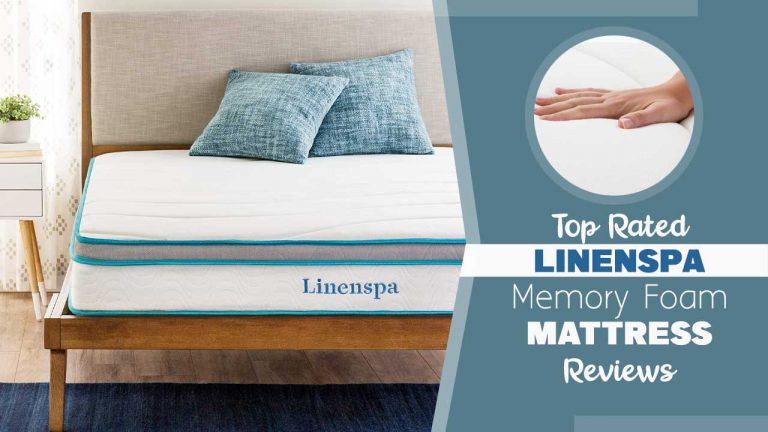
Memory foam hybrid mattresses combine 2-4 inches of memory foam over pocketed coil systems, providing pressure relief with better temperature regulation and responsiveness. Brands like Linenspa offer hybrid options starting around $300-400.
The coil support system improves edge support, reduces heat retention through increased airflow, and provides faster response times for position changes. However, motion isolation decreases compared to all-foam Zinus mattresses.
Latex Options
Natural latex mattresses provide similar pressure relief to memory foam while maintaining cooler sleep temperatures and faster response times. However, prices typically start at $500-600, making them less accessible for budget-focused consumers.
Latex offers superior durability with expected lifespans of 8-12 years compared to 4-6 years for Zinus. The natural materials appeal to eco-conscious consumers seeking sustainable sleep surfaces.
Premium Budget Selections
Nectar mattresses use 4.0-5.0 PCF memory foam with dedicated cooling gel layers and breathable covers, addressing heat retention issues that affect Zinus. Their forever warranty provides long-term value despite higher initial costs.
Tuft & Needle’s adaptive foam responds faster than traditional memory foam while maintaining pressure relief benefits. Their focus on cooling and support makes them suitable for warm sleepers and heavier individuals who struggle with basic Zinus models.
Frequently Asked Questions
How long do Zinus memory foam mattresses typically last?
Zinus memory foam mattresses last 4-6 years under normal use conditions for sleepers weighing under 180 pounds. Heavier individuals (200+ pounds) typically experience durability issues after 3-4 years due to the lower foam density construction. Proper care, rotation, and appropriate foundation support can extend lifespan toward the upper range.
Factors affecting longevity include user weight, sleep position, room temperature, and foundation quality. Guest room usage with occasional sleep extends durability significantly compared to nightly use. Signs of replacement needs include body impressions exceeding 1.5 inches depth or noticeable comfort deterioration.
Are Zinus mattresses suitable for heavy sleepers over 200 pounds?
Zinus mattresses work marginally for sleepers weighing 200-220 pounds but are not recommended for individuals over 230 pounds. The 2.5-4.0 PCF foam density lacks sufficient support for heavier weights, leading to excessive compression and premature sagging within 2-3 years.
Heavy sleepers experience bottom-out compression where they feel the firm support layer through insufficient comfort foam thickness. This creates pressure points and poor spinal alignment. Higher-density alternatives or hybrid mattresses provide better support for individuals in this weight range.
How hot do Zinus mattresses sleep compared to other brands?
Zinus mattresses sleep 3-5°F warmer than body temperature due to dense memory foam construction that restricts airflow and traps heat. They rank below average for temperature regulation compared to mattresses with dedicated cooling features, ventilated foams, or breathable cover materials.
Hot sleepers often experience discomfort within 2-3 hours of lying down, especially in rooms above 72°F. Even gel-infused Zinus models provide minimal cooling improvement compared to specialized cooling mattresses. Room temperature control and breathable bedding become essential for temperature-sensitive users.
What’s the difference between Zinus Green Tea and regular models?
Zinus Green Tea mattresses incorporate green tea extract and castor seed oil into the memory foam, intended to provide natural odor control and antioxidant properties. However, these additions provide minimal practical benefits compared to standard models, with identical comfort, support, and durability characteristics.
The green tea infusion may slightly reduce initial chemical odors from new foam, but independent testing shows no significant antimicrobial or health benefits. Pricing typically runs $20-40 higher than equivalent standard models for primarily marketing-driven features rather than performance improvements.
Can you use Zinus mattresses on adjustable bed frames?
Most Zinus memory foam mattresses work with adjustable bases, though thicker models (12+ inches) perform better than thinner options. The all-foam construction flexes adequately for head and foot elevation up to 45-degree angles without damage to internal structure.
Avoid adjusting the base while lying on the mattress, as this can stress foam layers and create premature wear patterns. Allow the mattress to reach room temperature before adjusting, as cold memory foam becomes stiffer and less flexible, potentially causing damage during positioning.
How do you speed up Zinus mattress expansion after unboxing?
Increase room temperature to 70-75°F to accelerate memory foam expansion, as warmer temperatures make the foam more pliable and responsive. Ensure adequate ventilation around the entire mattress perimeter and avoid placing heavy objects on the surface during expansion.
Gentle walking on the mattress surface can help distribute air and encourage faster expansion, but avoid jumping or excessive force. Most Zinus mattresses reach 90% expansion within 24-48 hours, though full density distribution may take up to 72 hours in cooler environments.
Do Zinus mattresses need box springs or special foundations?
Zinus mattresses require solid support but don’t need traditional box springs. Suitable foundations include platform beds, solid wood bases, metal frames with closely spaced slats (3 inches maximum spacing), or existing box springs in good condition.
Avoid foundations with wide slat spacing, as this allows memory foam compression between supports, creating uneven surfaces and premature wear patterns. The mattress needs consistent support across the entire surface to maintain proper contouring and structural integrity throughout its lifespan.
What’s the return process if you don’t like your Zinus mattress?
Zinus offers a 100-night sleep trial allowing returns within this period if unsatisfied with comfort or support. Contact customer service to initiate returns, though you typically pay return shipping costs unless purchasing through retailers like Amazon with different return policies.
The mattress must be in resaleable condition without stains, odors, or damage beyond normal use. Processing refunds takes 10-15 business days after the company receives the returned mattress. Keep original packaging if possible, though replacement packaging is usually acceptable for returns.
Are there any health concerns with Zinus memory foam materials?
Zinus mattresses carry CertiPUR-US certification, ensuring foam meets safety standards for volatile organic compound emissions, heavy metals, and harmful chemicals. The foams are manufactured without mercury, lead, formaldehyde, or prohibited phthalates.
Initial off-gassing produces noticeable odors for 3-7 days but dissipates with proper ventilation. Sensitive individuals may prefer allowing additional time before use or selecting mattresses with GREENGUARD Gold certification for more stringent emission standards, though Zinus doesn’t currently offer this certification level.
How often should you rotate a Zinus memory foam mattress?
Rotate Zinus mattresses head-to-foot every 3-4 months to distribute wear patterns evenly and extend usable life. Memory foam mattresses cannot be flipped due to layered construction with comfort foam on top and support foam on bottom.
Mark your calendar or set reminders for regular rotation, as consistent rotation prevents concentrated wear in primary sleep areas. This maintenance practice becomes more important for heavier sleepers who create deeper compression patterns in the memory foam layers.
What firmness level should you choose for different sleep positions?
Side sleepers should choose medium to medium-soft Zinus models (firmness 4-6) for adequate hip and shoulder pressure relief. Back sleepers perform better with medium-firm options (firmness 6-7) to prevent excessive lumbar sinkage and maintain spinal alignment.
Stomach sleepers need firmer models (firmness 7-8) to prevent hip sinkage that creates back arch and potential pain. Combination sleepers should select medium-firm options as a compromise, though the slow memory foam response may make position changes more difficult.
Can couples with different weight differences use Zinus mattresses successfully?
Weight differences up to 50-60 pounds typically work fine with Zinus mattresses, as the memory foam conforms independently to each sleeper’s pressure points. However, significant weight differences (80+ pounds) can create uneven compression patterns and motion transfer toward the heavier partner.
The excellent motion isolation helps minimize disturbance from movement, but heavier partners may experience inadequate support while lighter partners get appropriate comfort. Consider split mattress systems or higher-density alternatives when weight differences exceed 80-100 pounds.
Do Zinus mattresses work well for guest rooms?
Zinus mattresses excel in guest room applications where occasional use extends durability significantly beyond daily-use expectations. The affordable pricing makes sense for intermittent use, and compressed packaging simplifies storage and setup for seasonal guests.
Guest room usage typically extends mattress life to 8-12 years due to reduced wear patterns from infrequent use. The basic comfort level satisfies most guests for short-term stays, making expensive premium features unnecessary for this application.
What’s the best way to clean stains from a Zinus memory foam mattress?
Clean liquid spills immediately with absorbent towels, blotting rather than rubbing to prevent spreading. Use enzyme cleaners for biological stains (sweat, urine, blood) applied sparingly to avoid saturating the foam, which can lead to mold growth and structural damage.
Allow complete drying before replacing bedding, using fans or dehumidifiers if necessary. Avoid harsh chemicals, bleach, or excessive water that can damage foam structure. Waterproof mattress protectors prevent most staining issues and are easier to clean than the mattress itself.
Are Zinus gel-infused models significantly cooler than regular versions?
Zinus gel-infused models provide modest cooling improvement of 2-3°F compared to standard memory foam versions, but this cooling effect diminishes over 12-18 months as gel materials lose effectiveness. The improvement is noticeable initially but not sufficient for serious hot sleepers.
Dedicated cooling mattresses with phase-change materials, ventilated foam construction, or breathable cover fabrics provide superior temperature regulation. The gel infusion represents a minor upgrade rather than a solution for significant heat retention issues.
How does room temperature affect Zinus memory foam performance?
Room temperature significantly affects memory foam responsiveness, with optimal performance between 65-72°F ambient temperature. Temperatures above 75°F cause excessive softening and slower recovery times, while temperatures below 60°F create firmer, less conforming surfaces.
Cold bedrooms may require body heat warming periods of 15-30 minutes before the foam reaches optimal responsiveness. Hot rooms accelerate heat retention problems and may cause uncomfortable softening that reduces support. Climate control becomes essential for consistent performance.
In my experience evaluating memory foam behavior across temperature ranges, Zinus models show more temperature sensitivity than higher-quality foams with advanced formulations. Maintaining consistent bedroom temperature optimizes both comfort and material performance throughout the night.
Final Assessment
Zinus memory foam mattresses deliver adequate value for budget-conscious consumers seeking basic memory foam benefits without premium pricing. They work best for lighter sleepers (under 180 pounds) who prioritize affordability and don’t have significant heat sensitivity or durability requirements.
The benefits of memory foam including pressure relief and motion isolation remain accessible through Zinus products, though with compromises in cooling, longevity, and support for heavier individuals. Guest room applications and temporary housing situations represent ideal use cases where occasional use extends practical lifespan.
Consider Zinus when budget constraints limit options to under $400, when immediate mattress replacement becomes necessary, or when testing memory foam preferences before investing in premium alternatives. However, consumers willing to spend 25-40% more can access significantly better materials, cooling, and durability through competing brands.
The decision ultimately depends on balancing cost savings against performance limitations and expected usage patterns. For appropriate users and applications, Zinus mattresses provide functional sleep surfaces that deliver basic comfort and support at accessible price points.