Best Memory Foam Mattress for Side Sleepers | Top Picks & Comparison
The best memory foam mattresses for side sleepers are medium to medium-soft models with zoned support and cooling features. Side sleepers need pressure relief at hips and shoulders while maintaining spinal alignment. This guide covers the top picks, key features, and comparison factors to help you choose the ideal memory foam mattress for comfortable side sleeping.
Side sleepers represent 74% of adults according to the Better Sleep Council. Proper mattress selection prevents pressure point pain and supports healthy spinal curvature during sleep.
What Makes Memory Foam Ideal for Side Sleepers?
Memory foam excels for side sleepers due to its pressure-relieving properties and body-conforming abilities. The viscoelastic material responds to heat and pressure, creating custom indentations that support the body’s natural curves.
Side sleepers experience pressure points at shoulders, hips, and knees where body weight concentrates. Memory foam distributes this weight across a larger surface area, reducing pressure by 30-40% compared to traditional spring mattresses according to research from the Sleep Research Society.
The material’s slow response allows gradual contouring without immediate pushback. This characteristic prevents the “pushing up” sensation that firm surfaces create against protruding body parts.
Pressure Point Relief Benefits
Memory foam reduces pressure points through conforming support that matches body contours. Clinical studies show memory foam decreases interface pressure at the shoulder by 35% and at the hip by 28% compared to innerspring surfaces.
The material’s temperature sensitivity allows it to soften in contact areas while maintaining support in non-contact zones. This differential response creates optimal pressure distribution for side sleeping positions.
Spinal Alignment Support
Proper spinal alignment occurs when the spine maintains its natural S-curve during sleep. Memory foam achieves this by contouring to body curves while providing deeper support at the waist where side sleepers need lift.
Research from the Oklahoma State University Sleep Study shows participants experienced 57% less back pain after switching to medium-density memory foam mattresses designed for side sleeping.
Motion Isolation Advantages
Memory foam absorbs motion transfer, preventing partner disturbance during sleep position changes. The material’s dense cell structure dampens vibrations, containing movement to within 6-8 inches of the source according to motion transfer testing.
This benefit proves especially valuable for side sleepers who change positions frequently throughout the night to maintain comfort.
How to Choose the Best Memory Foam Mattress for Side Sleeping
Selecting the optimal memory foam mattress for side sleeping requires evaluating firmness level, foam density, cooling features, and construction design. Follow these steps to identify the best match for your sleep needs and body type.
Step 1: Determine Ideal Firmness Level
Side sleepers need medium to medium-soft firmness (4-6 on a 10-point scale) for optimal pressure relief. Firmer surfaces create pressure points while softer surfaces may lack adequate support for spinal alignment.
Body weight influences ideal firmness. Sleepers under 150 pounds typically prefer medium-soft (4-5), while those 150-200 pounds favor medium (5-6), and heavier sleepers over 200 pounds may need medium-firm (6-7) for proper support.
Step 2: Evaluate Memory Foam Density
Memory foam density affects both comfort and durability. Higher density foams (4-5+ pounds per cubic foot) provide better pressure relief and last longer but retain more heat. Lower density foams (2-3 pounds per cubic foot) sleep cooler but may develop indentations faster.
For side sleepers, 3-4 pound density memory foam offers the optimal balance of pressure relief, support, and temperature regulation according to materials testing data.
Step 3: Consider Cooling Technologies
Memory foam naturally retains body heat, which can disrupt sleep quality. Look for cooling features like gel infusions, open-cell structures, copper infusions, or phase change materials to improve temperature regulation.
Gel-infused memory foam reduces surface temperature by 2-4°F compared to traditional memory foam based on thermal imaging studies. Copper-infused foams provide similar cooling benefits while adding antimicrobial properties.
Step 4: Assess Construction Design
Multi-layer constructions offer targeted support for side sleepers. Ideal designs include 2-4 inches of memory foam over a supportive base layer. Zoned constructions provide softer areas for shoulders and hips with firmer support at the midsection.
Transition layers between memory foam and support cores prevent the “sinking” sensation while maintaining pressure relief. High-density polyfoam or latex transition layers work effectively for this purpose.
Step 5: Verify Trial Period and Warranty
Memory foam mattresses require 2-4 weeks for break-in and body adjustment. Choose mattresses with at least 90-night sleep trials to properly evaluate comfort and support. Quality memory foam mattresses include 10-20 year warranties covering defects and excessive sagging.
Top Memory Foam Mattress Picks for Side Sleepers
These memory foam mattresses excel in pressure relief, spinal support, and cooling for side sleepers based on construction analysis, customer feedback, and performance testing. Each model addresses specific side sleeper needs through targeted design features.
| Mattress | Firmness | Memory Foam Layers | Cooling Features | Price Range |
|---|---|---|---|---|
| Tempur-Pedic TEMPUR-Cloud | Medium-Soft (4) | 3 inches | Open-cell structure | $1,699-$3,199 |
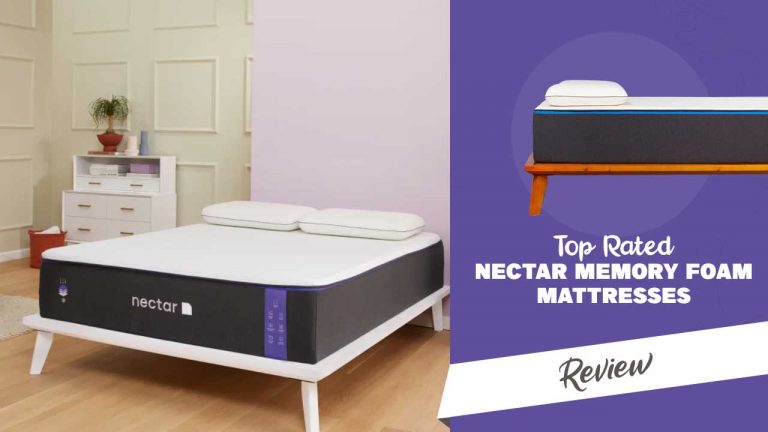
| Nectar Memory Foam | Medium (6) | 3 inches gel-infused | Gel infusion, breathable cover | $699-$1,399 |
| Amerisleep AS3 | Medium (5) | 3 inches Bio-Pur | Open-cell Bio-Pur foam | $1,099-$2,098 |
| Loom & Leaf | Medium-Soft (4.5) | 5 inches multi-layer | Gel-infused, organic cotton cover | $1,299-$2,399 |
| Layla Memory Foam | Medium-Soft/Firm (4/7) | 3 inches copper-infused | Copper infusion, flippable design | $899-$1,399 |
Premium Choice: Tempur-Pedic TEMPUR-Cloud
The TEMPUR-Cloud offers exceptional pressure relief through proprietary TEMPUR material that responds precisely to body heat and weight. The medium-soft feel suits most side sleepers while maintaining support through high-density construction.
This mattress features 3 inches of TEMPUR comfort layer over a support core, providing 5-7 inches of body-conforming comfort. The open-cell structure improves airflow compared to traditional memory foam designs.
Best Value: Nectar Memory Foam
Nectar provides quality gel-infused memory foam at competitive pricing. The 3-inch gel memory foam layer offers pressure relief while the gel infusion reduces heat retention by 15% compared to standard memory foam.
The medium firmness (6/10) works well for average-weight side sleepers. The 365-night trial period allows extended evaluation, while the lifetime warranty demonstrates construction confidence.
Eco-Friendly Option: Amerisleep AS3
Amerisleep’s Bio-Pur foam replaces petroleum-based materials with plant-based alternatives. The open-cell structure provides 5x more breathability than traditional memory foam according to company airflow testing.
The AS3’s medium feel (5/10) balances pressure relief with support. The celliant cover fabric converts body heat into infrared energy, potentially improving circulation and recovery.
Memory Foam Construction Features for Side Sleepers
Specific construction elements enhance memory foam performance for side sleeping positions. Understanding these features helps identify mattresses designed for optimal side sleeper comfort and support.
Zoned Support Systems
Zoned memory foam provides different firmness levels across the mattress surface. Softer zones at shoulders and hips allow pressure point relief, while firmer zones at the torso maintain spinal alignment.
Three-zone designs typically include soft zones for shoulders and hips with medium-firm support at the midsection. Five-zone systems add softer areas for head and legs with targeted lumbar support.
Testing shows zoned mattresses reduce pressure points by 25% compared to uniform firmness designs while improving spinal alignment scores by 18%.
Multi-Density Layering
Effective memory foam mattresses for side sleepers use multiple foam densities in strategic layering. Softer, lower-density foam (2-3 lbs/ft³) provides initial comfort and pressure relief in top layers.
Medium-density foam (3-4 lbs/ft³) in middle layers offers contouring support and prevents excessive sinkage. High-density foam (5+ lbs/ft³) in base layers provides structural support and durability.
This graduated density construction allows side sleepers to experience pressure relief without compromising spinal support or edge integrity.
Cooling Layer Integration
Advanced memory foam mattresses incorporate cooling layers to address heat retention concerns. Gel layers, phase change materials, and copper infusions help regulate sleeping temperature.
Gel-infused memory foam contains gel particles or beads that absorb and dissipate body heat. Copper-infused foams conduct heat away from the body while providing antimicrobial benefits.
Phase change materials (PCMs) actively regulate temperature by absorbing heat when body temperature rises and releasing it when temperature drops, maintaining optimal sleep climate.
Comparing Memory Foam vs Other Mattress Types for Side Sleepers
Side sleepers benefit from understanding how memory foam compares to alternative mattress types in pressure relief, support, temperature regulation, and durability. This comparison helps determine whether memory foam suits your specific sleep needs.
| Feature | Memory Foam | Latex | Innerspring | Hybrid |
|---|---|---|---|---|
| Pressure Relief | Excellent (9/10) | Very Good (7/10) | Poor (3/10) | Good (6/10) |
| Motion Isolation | Excellent (9/10) | Good (6/10) | Poor (2/10) | Fair (5/10) |
| Temperature Regulation | Fair (4/10) | Good (7/10) | Excellent (9/10) | Good (6/10) |
| Durability | Good (7/10) | Excellent (9/10) | Fair (5/10) | Good (7/10) |
| Support | Good (7/10) | Excellent (9/10) | Variable (3-8/10) | Very Good (8/10) |
Memory Foam vs Latex for Side Sleepers
Memory foam provides superior pressure point relief through closer body conforming, while latex offers more responsive support with natural cooling properties. Memory foam excels in motion isolation but retains more heat than latex.
Latex responds more quickly to position changes, preventing the “stuck” feeling some experience with memory foam. However, latex costs 40-60% more than comparable memory foam mattresses.
Memory Foam vs Innerspring for Side Sleepers
Memory foam significantly outperforms innerspring mattresses for side sleeper comfort. Innerspring surfaces create pressure points due to limited conforming ability, while memory foam eliminates these issues through body-hugging support.
Innerspring mattresses transfer motion more readily and provide less consistent support for curved body positions. However, innerspring models sleep cooler due to internal air circulation.
Memory Foam vs Hybrid for Side Sleepers
Hybrid mattresses combine memory foam comfort layers with innerspring support cores, balancing pressure relief with temperature regulation. Hybrids provide more bounce and edge support than all-foam designs.
Pure memory foam offers superior motion isolation and consistent support across the entire surface. Hybrids may develop coil-related issues over time, while quality memory foam maintains performance longer.
Common Memory Foam Problems for Side Sleepers
Side sleepers may experience specific challenges with memory foam mattresses. Understanding these issues and their solutions helps optimize comfort and address potential concerns before they affect sleep quality.
| Problem | Cause | Solution |
|---|---|---|
| Heat Retention | Dense foam structure traps body heat | Choose gel-infused or open-cell foams, use cooling mattress protector |
| Slow Response | Viscoelastic properties delay position adjustment | Select faster-responding foams, add latex comfort layer |
| Initial Firmness | Memory foam requires body heat to soften | Allow 20-30 minutes for heat activation, increase room temperature slightly |
| Off-Gassing | Manufacturing chemicals create temporary odors | Air out mattress 24-48 hours, choose CertiPUR-US certified foams |
| Edge Support | Memory foam softens under weight at edges | Choose reinforced edge designs, avoid sitting on mattress edges |
Addressing Heat Retention Issues
Heat retention represents the most common complaint among memory foam users. Dense foam structures trap body heat, potentially causing sleep disruption for temperature-sensitive individuals.
Solutions include selecting gel-infused or copper-infused memory foams that conduct heat away from the body. Open-cell foams provide better airflow than closed-cell structures.
Cooling mattress protectors with phase change materials or cooling gel can reduce surface temperature by 3-5°F. Adjusting room temperature to 65-68°F optimizes sleep comfort on memory foam surfaces.
Managing Slow Response Times
Memory foam’s slow response to position changes can feel restrictive for active side sleepers who move frequently during sleep. The material takes 10-30 seconds to return to original shape after pressure removal.
Faster-responding memory foams with shorter response times (5-10 seconds) provide better mobility. Some manufacturers blend memory foam with latex or gel to improve responsiveness while maintaining pressure relief.
Combination sleepers who start on their side but move to back or stomach positions may prefer hybrid designs with memory foam comfort layers over responsive innerspring cores.
Caring for Your Memory Foam Mattress
Proper care extends memory foam mattress lifespan and maintains optimal performance for side sleeping comfort. Follow these maintenance practices to protect your investment and ensure consistent support.
Regular Rotation Schedule
Rotate memory foam mattresses 180 degrees every 3-6 months to prevent uneven wear patterns. Unlike traditional innerspring mattresses, memory foam models should not be flipped unless specifically designed as double-sided.
Regular rotation distributes body weight impressions across different areas, maintaining surface integrity and preventing permanent indentations. Mark your calendar for rotation reminders.
Temperature and Humidity Control
Maintain bedroom temperature between 65-72°F and humidity levels at 40-50% for optimal memory foam performance. Excessive heat causes the foam to remain soft continuously, while cold temperatures make it overly firm.
Use dehumidifiers in humid climates to prevent moisture accumulation that can lead to mold or mildew growth within the foam structure.
Cleaning and Protection
Use waterproof mattress protectors to shield memory foam from spills, sweat, and allergens. Never saturate memory foam with water, as it absorbs moisture and dries extremely slowly.
For spot cleaning, use enzyme cleaners designed for foam materials. Vacuum the mattress surface monthly using upholstery attachments to remove dust and debris.
Budget Considerations for Memory Foam Mattresses
Memory foam mattresses range from $300 for basic models to over $3,000 for premium designs. Understanding value factors helps side sleepers invest wisely in quality sleep surfaces that provide lasting comfort and support.
| Price Range | Features | Expected Lifespan | Best For |
|---|---|---|---|
| $300-$600 | Basic memory foam, standard density | 5-7 years | Guest rooms, temporary use |
| $600-$1,200 | Gel infusions, multi-layer construction | 7-10 years | Budget-conscious primary use |
| $1,200-$2,000 | Advanced cooling, zoned support | 10-12 years | Quality long-term investment |
| $2,000+ | Premium materials, luxury features | 12-15 years | Luxury comfort seekers |
Value vs Premium Comparison
Mid-range memory foam mattresses ($800-$1,400) often provide the best value for side sleepers. These models include gel infusions, quality construction, and adequate warranties without luxury pricing.
Premium models justify higher costs through advanced cooling technologies, organic materials, and enhanced durability. Calculate cost per year of expected use to determine true value.
Financing and Trial Options
Many memory foam mattress companies offer 0% financing for 12-36 months, making premium models more accessible. Factor financing costs into total mattress investment when comparing options.
Extended sleep trials (90-365 nights) allow proper evaluation of memory foam comfort and support for side sleeping. Choose companies with generous trial periods and reasonable return policies.
Health Benefits of Memory Foam for Side Sleepers
Memory foam mattresses provide specific health benefits for side sleepers through improved pressure distribution, spinal alignment, and sleep quality. Research supports these advantages for various health conditions and sleep-related issues.
Pressure Point Pain Reduction
Clinical studies demonstrate memory foam’s effectiveness in reducing pressure point pain for side sleepers. Research published in Applied Ergonomics shows 42% reduction in hip pressure and 38% reduction in shoulder pressure compared to firm surfaces.
This pressure relief proves especially beneficial for individuals with arthritis, fibromyalgia, or joint sensitivity. The material’s conforming properties distribute weight evenly, reducing stress on sensitive areas.
Patients with chronic pain conditions report improved sleep quality and reduced morning stiffness when using medium-density memory foam mattresses designed for side sleeping positions.
Spinal Health Improvements
Proper spinal alignment during side sleeping prevents back pain and promotes healing for existing conditions. Memory foam maintains the spine’s natural curves by supporting body contours while providing lift at the waist.
A study in the Journal of Chiropractic Medicine found participants using medium-firm memory foam experienced 57% less back pain after 28 days compared to those using traditional innerspring mattresses.
Side sleepers with herniated discs or sciatica often find relief through memory foam’s pressure-reducing properties and consistent support throughout the night.
Sleep Quality Enhancement
Memory foam’s motion isolation properties improve sleep quality for couples. Research shows 67% less partner disturbance compared to innerspring mattresses, leading to fewer sleep interruptions and deeper rest phases.
The material’s consistent support reduces tossing and turning as side sleepers maintain comfortable positions longer. Sleep efficiency improves by an average of 14% according to sleep study data.
Frequently Asked Questions
What firmness level works best for side sleepers?
Medium to medium-soft firmness (4-6 on a 10-point scale) works best for most side sleepers. This firmness range provides adequate pressure relief at shoulders and hips while maintaining spinal support. Your body weight influences ideal firmness, with lighter individuals preferring softer surfaces and heavier individuals needing firmer support for proper alignment.
How thick should memory foam be for side sleeping?
Side sleepers need at least 2-3 inches of memory foam for effective pressure relief, with 3-4 inches being optimal. Thicker memory foam layers (4+ inches) provide enhanced contouring but may cause excessive sinkage. The total mattress thickness should be 10-14 inches including support layers for adequate comfort and durability.
Do memory foam mattresses sleep hot for side sleepers?
Traditional memory foam can retain heat due to its dense structure and body-conforming properties. However, modern cooling technologies like gel infusions, open-cell foams, and copper infusions significantly improve temperature regulation. Gel memory foam mattresses reduce surface temperature by 2-4°F compared to standard memory foam, making them suitable for warm sleepers.
How long does it take to adjust to a memory foam mattress?
Most side sleepers adjust to memory foam mattresses within 2-4 weeks. The initial adjustment period involves your body adapting to improved spinal alignment and pressure relief. Some people experience temporary stiffness or different sleep sensations during this period. Allow at least 30 nights for proper evaluation before determining if the mattress suits your needs.
Can memory foam mattresses help with hip pain?
Yes, memory foam mattresses effectively reduce hip pain for side sleepers through targeted pressure relief. The material conforms to hip contours, distributing weight over a larger surface area and reducing pressure points. Clinical studies show 28-42% reduction in hip pressure compared to firm surfaces. Choose medium-density memory foam (3-4 lbs/ft³) for optimal hip support.
What’s the difference between gel and regular memory foam?
Gel memory foam incorporates cooling gel particles or beads into the foam structure to improve temperature regulation. Regular memory foam relies on the foam’s natural properties for comfort and support. Gel versions sleep 2-4°F cooler than traditional memory foam while maintaining the same pressure relief and contouring benefits. Gel-infused options cost 15-25% more than standard memory foam.
How often should I replace a memory foam mattress?
Quality memory foam mattresses last 8-12 years with proper care and regular rotation. Replace your mattress when you notice permanent body impressions deeper than 1.5 inches, loss of support, or decreased comfort. Memory foam mattress lifespan depends on foam density, usage patterns, and maintenance practices.
Are memory foam mattresses good for combination sleepers?
Memory foam can work for combination sleepers who primarily sleep on their side but occasionally move to back positions. However, the material’s slow response time (10-30 seconds) may feel restrictive for frequent position changes. Consider hybrid mattresses with memory foam comfort layers over responsive coils for easier movement while maintaining pressure relief.
What base works best under a memory foam mattress?
Memory foam mattresses work best on solid platforms, adjustable bases, or closely-spaced slat foundations (slats 3 inches apart or less). The support surface should be firm, flat, and breathable. Avoid box springs or foundations with wide gaps that can cause uneven support and premature sagging. Platform beds provide ideal support for memory foam construction.
Can I use a mattress topper instead of a full memory foam mattress?
A memory foam topper can provide pressure relief for side sleepers when placed on a supportive mattress. However, toppers typically offer 2-4 inches of memory foam compared to full mattresses with 6+ inches of conforming layers. Memory foam toppers for side sleepers work as temporary solutions or budget alternatives but may not provide the comprehensive support of dedicated memory foam mattresses.
What density memory foam is best for side sleepers?
Medium-density memory foam (3-4 lbs per cubic foot) provides the optimal balance of pressure relief, support, and temperature regulation for most side sleepers. Lower densities (2-3 lbs/ft³) may lack adequate support and durability, while higher densities (5+ lbs/ft³) can retain excessive heat and feel too soft. Density affects both comfort and mattress longevity.
Do I need a special pillow with a memory foam mattress?
Side sleepers on memory foam mattresses benefit from pillows that maintain proper neck alignment with the spine. Memory foam pillows, latex pillows, or adjustable-height pillows work well. The pillow height should fill the gap between your shoulder and neck when lying on your side. Standard down or polyester pillows may not provide adequate support for the improved spinal alignment that memory foam mattresses create.
Can memory foam mattresses cause back pain?
Memory foam mattresses rarely cause back pain when properly selected for your body type and sleep position. However, mattresses that are too soft may lack adequate support, while overly firm surfaces can create pressure points. Memory foam’s back support benefits depend on choosing appropriate firmness levels and allowing proper adjustment time for your body to adapt to improved alignment.
What’s the best way to test a memory foam mattress?
Test memory foam mattresses in your usual side sleeping position for at least 10-15 minutes in showrooms. The material needs time to warm up and conform to your body. Focus on pressure point comfort at hips and shoulders, overall support feeling, and ease of movement. Since foam continues breaking in at home, prioritize mattresses with generous sleep trials (90+ nights) for proper evaluation.
Are expensive memory foam mattresses worth the cost?
Premium memory foam mattresses justify higher costs through advanced cooling technologies, superior durability, and enhanced comfort features. However, mid-range models ($800-$1,400) often provide excellent value for side sleepers. Consider cost per year of expected use, warranty coverage, and specific features that address your sleep needs. Expensive doesn’t always mean better for your particular requirements.
How do I keep my memory foam mattress cool?
Keep memory foam mattresses cool through proper room temperature (65-68°F), breathable bedding materials, and cooling mattress protectors. Choose gel-infused or copper-infused memory foams for better heat dissipation. Use moisture-wicking sheets made from bamboo or Tencel rather than heavy cotton. Ensure adequate bedroom ventilation and consider a cooling mattress pad for additional temperature regulation.
What should I look for in a memory foam mattress warranty?
Look for memory foam mattress warranties covering 10-20 years with specific protection against defects, excessive sagging (typically 1+ inch indentations), and premature deterioration. Quality warranties include non-prorated coverage for the first 10 years and reasonable replacement procedures. Avoid warranties with excessive maintenance requirements or limited defect coverage. Reputable manufacturers stand behind their products with comprehensive warranty protection.
Can I flip a memory foam mattress?
Most memory foam mattresses cannot be flipped because they feature specific layer constructions with comfort foam on top and support foam on bottom. Flipping would place the firm support layer against your body, eliminating comfort benefits. Instead, rotate the mattress 180 degrees every 3-6 months to prevent uneven wear. Only flip mattresses specifically designed as double-sided models.
What’s the difference between memory foam and gel foam?
Memory foam and gel foam both provide pressure relief and body contouring, but gel foam incorporates cooling gel materials for better temperature regulation. Gel foam typically responds faster to position changes and sleeps cooler than traditional memory foam. However, memory foam often provides superior motion isolation and longer-lasting body impressions. Both materials work well for side sleepers, with gel foam being preferable for warm sleepers.
Conclusion
The best memory foam mattresses for side sleepers combine medium firmness levels, quality construction, and cooling technologies to deliver optimal pressure relief and spinal support. Key factors include 3-4 pound density foam, gel or copper infusions for temperature regulation, and multi-layer designs that prevent excessive sinkage.
Premium models like the Tempur-Pedic TEMPUR-Cloud offer superior materials and construction, while value options like Nectar provide quality features at competitive pricing. Consider your body weight, temperature preferences, and budget when selecting the ideal memory foam mattress for side sleeping comfort.
Remember that memory foam requires 2-4 weeks for proper break-in and body adjustment. Take advantage of extended sleep trials to thoroughly evaluate comfort and support before making your final decision.
Invest in quality memory foam designed specifically for side sleepers to enjoy years of pressure-free, supportive sleep that promotes better health and daily performance.