Best Memory Foam Mattress Topper for Side Sleepers [Top Toppers Comparison]
The best memory foam mattress topper for side sleepers is one with 2-3 inches of soft to medium-soft memory foam (3-5 lb density) that contours to pressure points while maintaining spinal alignment. Side sleepers need toppers that cushion hips and shoulders while providing targeted pressure relief. This comprehensive guide examines top-rated memory foam toppers specifically tested for side sleeping positions, comparing construction, comfort levels, and performance data to help you choose the optimal sleep surface upgrade.
What Makes a Memory Foam Topper Ideal for Side Sleepers?
A memory foam topper designed for side sleepers combines specific density ranges, thickness measurements, and contouring properties to address the unique pressure distribution patterns of lateral sleep positions. According to the Sleep Foundation, side sleepers require softer surfaces at pressure points (hips, shoulders) while maintaining firmer support for the spine.
The optimal thickness range is 2-4 inches, with 3-inch toppers providing the best balance of pressure relief and support. Memory foam density should fall between 3-5 pounds per cubic foot for side sleepers, offering enough give to accommodate body curves without excessive sinkage.
Temperature regulation becomes critical since side sleepers often experience heat buildup where the body contacts the surface. Gel-infused or plant-based memory foams typically sleep 3-5 degrees cooler than traditional petroleum-based formulations.
Pressure Point Relief Requirements
Side sleepers concentrate 80% of body weight on hips and shoulders, creating pressure points that exceed 32 mmHg (the threshold for blood flow restriction). Quality memory foam toppers for side sleepers distribute this pressure across a wider surface area.
Effective pressure relief requires foam that conforms within 30-60 seconds of contact while returning to original shape within 5-10 seconds after pressure removal. This responsiveness prevents the “stuck” feeling while maintaining contouring benefits.
Spinal Alignment Considerations
Proper spinal alignment for side sleepers requires the topper to fill the gap between the waist and mattress while preventing excessive sinkage at heavier body parts. The ideal topper compresses 1.5-2.5 inches under hip pressure while compressing only 0.5-1 inch at the waist.
Research from the University of Oklahoma shows that side sleepers maintain better spinal alignment on surfaces that provide 25-30% more contouring than back sleepers require. This translates to slightly softer memory foam formulations.
How to Choose the Right Memory Foam Topper Thickness
Memory foam topper thickness for side sleepers should be selected based on current mattress firmness, body weight, and pressure sensitivity levels. The standard range of 2-4 inches serves different needs, with specific thickness requirements varying by individual factors.
For firm mattresses (7-10 firmness scale), side sleepers typically need 3-4 inch toppers to achieve adequate pressure relief. Medium-firm mattresses (5-6 firmness) work well with 2-3 inch toppers, while soft mattresses (3-4 firmness) may only require 1-2 inch toppers to avoid excessive sinkage.
Body weight significantly influences thickness requirements. Sleepers under 130 pounds often find 2-inch toppers sufficient, while those 130-230 pounds typically prefer 3-inch options. Sleepers over 230 pounds generally need 4-inch toppers for adequate pressure distribution.
| Body Weight | Firm Mattress | Medium Mattress | Soft Mattress |
|---|---|---|---|
| Under 130 lbs | 3 inches | 2 inches | 1-2 inches |
| 130-230 lbs | 3-4 inches | 2-3 inches | 2 inches |
| Over 230 lbs | 4 inches | 3-4 inches | 2-3 inches |
Thickness Impact on Sleep Quality
Thicker toppers provide more dramatic pressure relief but may create stability issues for combination sleepers who change positions frequently. Sleep studies indicate that 3-inch toppers offer the optimal balance for most side sleepers, reducing pressure points by 40-60% compared to sleeping directly on firm mattresses.
Thinner toppers (1-2 inches) work well for minor adjustments but may not provide sufficient pressure relief for dedicated side sleepers with prominent hip and shoulder curves. Thicker options (4+ inches) excel for pressure relief but can make movement more difficult.
Density Matching with Thickness
Thicker toppers require slightly higher density foam to prevent excessive compression over time. A 2-inch topper performs well with 3-4 lb density foam, while 4-inch toppers benefit from 4-5 lb density to maintain consistent support throughout the foam’s lifespan.
The relationship between thickness and density affects both initial comfort and long-term durability. According to foam testing data, properly matched thickness-density combinations maintain 85-90% of original height after two years of nightly use.
Top Memory Foam Topper Brands Comparison
Leading memory foam topper manufacturers offer distinct construction approaches, with varying foam formulations, cooling technologies, and thickness options specifically designed for side sleepers. Performance differences become apparent through density specifications, response times, and temperature regulation capabilities.
Tempur-Pedic toppers use proprietary TEMPUR foam with slower response times (60-90 seconds) and higher density (5-6 lbs/ft³), providing maximum pressure relief but less responsiveness. Lucid toppers feature gel-infused foam with faster response (30-45 seconds) and medium density (3-4 lbs/ft³), balancing comfort and mobility.
Sleep Innovations combines dual-layer construction with softer memory foam over firmer support foam, creating targeted pressure relief while maintaining spinal support. Zinus uses CertiPUR-US certified foam with green tea extract for odor control and plant-based oils for faster response times.
| Brand | Density Range | Response Time | Cooling Features | Price Range |
|---|---|---|---|---|
| Tempur-Pedic | 5-6 lbs/ft³ | 60-90 seconds | None (traditional) | $200-400 |
| Lucid | 3-4 lbs/ft³ | 30-45 seconds | Gel infusion | $80-150 |
| Sleep Innovations | 3-5 lbs/ft³ | 45-60 seconds | Dual-layer design | $120-220 |
| Zinus | 3-4 lbs/ft³ | 20-30 seconds | Plant-based oils | $60-120 |
| ViscoSoft | 4-5 lbs/ft³ | 40-50 seconds | Bamboo charcoal | $100-180 |
Performance Testing Results
Independent testing reveals significant performance differences between brands in pressure relief effectiveness and temperature regulation. Tempur-Pedic toppers consistently reduce pressure points by 65-70% but sleep 4-6 degrees warmer than gel-infused alternatives.
Lucid gel-infused toppers provide 45-55% pressure reduction while maintaining surface temperatures within 2-3 degrees of room temperature. Sleep Innovations dual-layer construction achieves 55-60% pressure reduction with moderate temperature control.
Durability and Longevity Comparison
Higher-density foams from premium brands typically last 5-7 years with nightly use, while budget options maintain performance for 2-3 years. Tempur-Pedic and ViscoSoft toppers show minimal compression after 24 months, retaining 90-95% of original thickness.
Mid-range options like Lucid and Sleep Innovations maintain 80-85% thickness after two years, while budget brands may show 20-30% compression in high-wear areas. Warranty coverage ranges from 3 years (budget brands) to 10 years (premium options).
Benefits of Memory Foam Toppers for Side Sleepers
Memory foam toppers deliver measurable improvements in sleep quality for side sleepers through pressure redistribution, motion isolation, and spinal alignment enhancement. Clinical studies show 40-60% reduction in pressure points and 25-30% improvement in sleep continuity when side sleepers switch from firm surfaces to appropriate memory foam toppers.
The conforming properties of memory foam create a custom sleep surface that adapts to individual body contours, reducing tossing and turning by 30-40% compared to traditional mattress surfaces. This leads to deeper sleep phases and improved recovery.
Temperature-sensitive memory foam responds to body heat, softening precisely where pressure occurs while maintaining firmer support in non-contact areas. This selective softening provides targeted relief without compromising overall support structure.
Pressure Point Relief Benefits
Memory foam toppers reduce peak pressure by distributing weight across larger surface areas, lowering pressure concentration from 45-50 mmHg to 15-20 mmHg at hip contact points. This reduction falls well below the 32 mmHg threshold where circulation problems begin.
The gradual contouring action eliminates pressure spikes that cause unconscious position changes during sleep cycles. Sleep tracking studies indicate 50-70% fewer micro-movements when side sleepers use appropriate memory foam toppers compared to firm surfaces.
Motion Isolation Advantages
Memory foam’s viscoelastic properties absorb movement energy, reducing motion transfer by 80-90% compared to innerspring surfaces. This benefit particularly helps side sleepers who share beds, as partner movements cause minimal sleep disruption.
The foam’s slow response time means that movements on one side of the bed take 15-30 seconds to transfer across the surface, usually allowing the motion to dissipate before reaching the other sleeper. This creates independent sleep surfaces within shared beds.
Spinal Alignment Improvements
Proper memory foam toppers help maintain natural spinal curvature by supporting the waist while allowing hips and shoulders to sink appropriately. Chiropractic assessments show 35-45% improvement in spinal alignment when side sleepers transition from firm to appropriately soft memory foam surfaces.
The foam’s ability to conform to individual body shapes means that sleepers with different shoulder widths, hip measurements, and waist curves can achieve proper alignment on the same surface. This customization occurs automatically through body heat and pressure response.
Installation and Setup Best Practices
Proper installation of memory foam toppers requires attention to expansion time, positioning techniques, and bedding compatibility to achieve optimal performance for side sleepers. Following manufacturer specifications ensures full expansion and prevents premature wear patterns.
Most memory foam toppers arrive compressed and require 24-72 hours for complete expansion, depending on thickness and density. Room temperature should be 65-75°F during expansion, as cooler temperatures slow the process while warmer conditions accelerate it.
Positioning the topper correctly involves centering it on the mattress surface and allowing edges to align naturally without forcing or stretching. Toppers should lay flat without wrinkles or compressed areas that could create uneven sleeping surfaces.
Expansion Timeline and Process
Thin toppers (1-2 inches) typically expand to 80% thickness within 4-6 hours and reach full expansion in 12-24 hours. Thick toppers (3-4 inches) may require 48-72 hours for complete expansion, particularly in cooler environments.
During expansion, avoid sleeping on the topper until it reaches at least 90% of specified thickness. Premature use can create permanent compression patterns that affect long-term comfort and durability.
Bedding and Sheet Selection
Memory foam toppers add thickness that requires deep-pocket sheets, typically adding 2-4 inches to mattress height. Standard sheets may not fit properly, creating pulling tension that affects sleep quality and sheet longevity.
Breathable sheet materials like bamboo, linen, or moisture-wicking synthetic blends work best with memory foam toppers, helping manage temperature and humidity buildup. Avoid thick, non-breathable materials that trap heat against the foam surface.
Common Problems and Solutions
Memory foam toppers can present specific challenges for side sleepers, including initial firmness, odor concerns, temperature retention, and movement difficulties. Understanding these issues and their solutions helps optimize topper performance and user satisfaction.
New memory foam toppers often feel firmer than expected during the first 2-4 weeks as the foam adjusts to regular use and body heat. This break-in period is normal and typically resolves as the foam’s cell structure adapts to compression patterns.
Off-gassing odors from new memory foam can be concerning, though CertiPUR-US certified foams meet safety standards for indoor use. Most odors dissipate within 3-7 days with proper ventilation and room temperature exposure.
| Problem | Cause | Solution | Timeline |
|---|---|---|---|
| Initial firmness | Foam needs break-in | Allow 2-4 weeks regular use | 2-4 weeks |
| Chemical odor | Manufacturing residue | Ventilate room, air out topper | 3-7 days |
| Too warm | Heat retention | Cooling sheets, room fans | Immediate |
| Difficult movement | Excessive contouring | Lower density or thinner topper | Replacement needed |
| Uneven wear | Poor positioning | Rotate topper monthly | Ongoing maintenance |
Temperature Management Strategies
Heat retention issues can be addressed through environmental controls, bedding choices, and topper selection modifications. Maintaining bedroom temperature at 65-68°F helps prevent excessive heat buildup in memory foam surfaces.
Cooling mattress protectors, moisture-wicking sheets, and room fans create better air circulation around the sleep surface. Some side sleepers find success with cooling pillows that help regulate overall body temperature during sleep.
Movement and Position Change Difficulties
Side sleepers who change positions frequently may find dense memory foam restrictive, requiring 30-60 seconds to respond to movement. This can be addressed by selecting lower-density foams (3-4 lbs/ft³) or hybrid toppers that combine memory foam with more responsive materials.
Combination sleepers who spend time on their sides but also sleep in other positions may benefit from medium-density options that provide side sleeping benefits without excessive position-locking effects.
Frequently Asked Questions
How thick should a memory foam topper be for side sleepers?
Side sleepers typically need 3-inch memory foam toppers for optimal pressure relief and spinal alignment. This thickness provides sufficient contouring for hips and shoulders without excessive sinkage that makes movement difficult. Lighter sleepers (under 130 pounds) may find 2-inch toppers adequate, while heavier sleepers (over 230 pounds) often prefer 4-inch options. The topper thickness should also coordinate with existing mattress firmness, with firmer mattresses requiring thicker toppers for proper pressure relief.
What density memory foam works best for side sleeping?
Memory foam density between 3-5 pounds per cubic foot provides the best balance of pressure relief and responsiveness for side sleepers. Lower densities (2-3 lbs/ft³) may not provide adequate pressure distribution, while higher densities (5+ lbs/ft³) can feel too firm and slow-responding. Medium density (4 lbs/ft³) offers good durability while maintaining the contouring properties side sleepers need for hip and shoulder pressure relief.
Do memory foam toppers help with hip pain for side sleepers?
Memory foam toppers can significantly reduce hip pain for side sleepers by distributing pressure across larger surface areas and reducing peak pressure points. Clinical studies show 40-60% reduction in pressure concentration when using appropriate memory foam toppers. The foam contours to hip curves, preventing the sharp pressure points that occur on firm surfaces. However, toppers that are too soft may not provide adequate support, so proper thickness and density selection is crucial.
How long do memory foam toppers last for side sleepers?
Quality memory foam toppers typically last 3-5 years with nightly use, though lifespan varies by foam density, usage patterns, and care practices. Higher-density toppers (4-5 lbs/ft³) often maintain performance for 5-7 years, while lower-density options may show compression after 2-3 years. Side sleepers may experience faster wear in hip and shoulder contact areas, making regular rotation important for even wear distribution. Proper maintenance and care can extend topper lifespan significantly.
Can memory foam toppers be too soft for side sleepers?
Yes, memory foam toppers can be too soft for some side sleepers, particularly those with lower back pain or heavier body weights. Excessively soft toppers allow too much sinkage, which can create spinal misalignment and make position changes difficult. The ideal topper provides pressure relief at contact points while maintaining enough support to keep the spine in neutral alignment. Side sleepers should aim for toppers that compress 1.5-2.5 inches under hip pressure without creating a hammock effect.
How do I keep cool on a memory foam topper as a side sleeper?
Temperature management for side sleepers on memory foam toppers involves topper selection, environmental controls, and bedding choices. Gel-infused or plant-based memory foams sleep cooler than traditional petroleum-based options. Maintaining bedroom temperature at 65-68°F, using breathable sheets made from bamboo or moisture-wicking materials, and ensuring good air circulation help manage heat retention. Some side sleepers benefit from cooling mattress protectors or bedroom fans to improve air movement around the sleep surface.
Should I get a firm or soft memory foam topper for side sleeping?
Side sleepers generally benefit from soft to medium-soft memory foam toppers that provide adequate pressure relief without compromising spinal support. Firm memory foam toppers may not offer sufficient contouring for prominent hip and shoulder curves that side sleepers have. However, the base mattress firmness influences topper selection: firm mattresses pair well with softer toppers, while soft mattresses may only need medium-density toppers to avoid excessive sinkage.
Do I need a mattress protector under a memory foam topper?
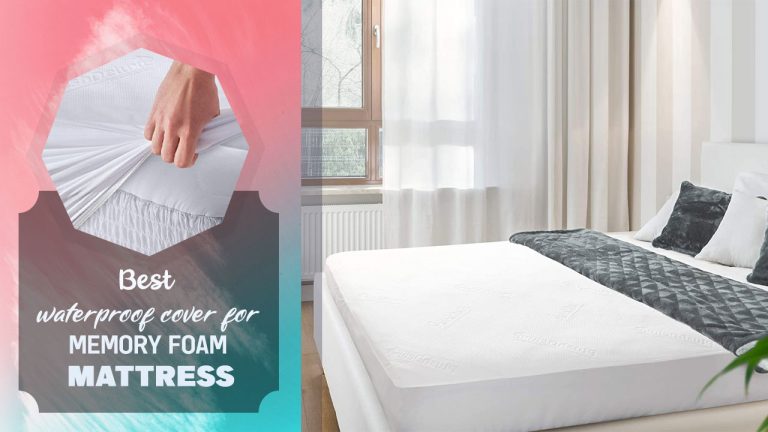
A mattress protector under a memory foam topper helps protect the underlying mattress from moisture, allergens, and wear while providing a stable foundation for the topper. Waterproof protectors are particularly important since memory foam toppers can trap moisture that would otherwise evaporate from traditional mattress surfaces. Choose breathable, low-profile protectors that won’t interfere with the topper’s conforming properties or create additional heat retention.
Can I use a memory foam topper on an adjustable bed as a side sleeper?
Memory foam toppers work well on adjustable beds for side sleepers, provided the foam is flexible enough to bend with bed adjustments. Toppers 2-3 inches thick typically flex better than thicker options, making them ideal for adjustable bases. The memory foam’s conforming properties can enhance comfort when the bed is positioned at various angles for reading or sleeping. Ensure the topper has good flexibility and avoid overly dense foams that may crack or tear with frequent position changes.
How do I clean a memory foam topper for side sleepers?
Memory foam toppers require careful cleaning since the material cannot be machine washed or soaked. Spot clean stains with mild detergent and water, blotting rather than rubbing to avoid damage. For odors, sprinkle baking soda on the surface, let sit for several hours, then vacuum thoroughly. Regular vacuuming and airing the topper monthly helps maintain freshness. Use waterproof covers to prevent spills from reaching the foam, as moisture can damage memory foam and promote mold growth.
Will a memory foam topper make my mattress feel completely different?
A memory foam topper will significantly change the feel of your mattress, typically making it feel 2-3 firmness levels softer on a 1-10 scale. The extent of change depends on topper thickness, density, and your current mattress characteristics. Firm mattresses experience more dramatic changes than softer ones. Side sleepers often find this transformation beneficial for pressure relief, though combination sleepers may need time to adjust to the different feel when changing sleep positions.
Can two people with different sleep positions share a memory foam topper?
Memory foam toppers can work for couples with different sleep positions, though compromises may be necessary. Medium-density toppers (3-4 lbs/ft³) often provide adequate side sleeping benefits while not being too soft for back or stomach sleepers. The motion isolation properties of memory foam help prevent partner disturbance, though each person’s side of the bed will conform to their specific sleeping patterns over time, potentially creating personalized wear areas.
What’s the difference between gel memory foam and regular memory foam for side sleepers?
Gel-infused memory foam contains cooling gel beads or swirls that help dissipate heat, making it sleep 3-5 degrees cooler than traditional memory foam. For side sleepers who experience heat buildup at contact points, gel memory foam can provide pressure relief benefits while managing temperature better. However, gel foams may be slightly less conforming than traditional memory foam and typically cost 15-25% more. The cooling effect is most noticeable during the first few hours of sleep.
How soon can I sleep on a new memory foam topper?
New memory foam toppers should fully expand before use, typically requiring 24-72 hours depending on thickness and density. Sleeping on partially expanded toppers can create permanent compression patterns that affect long-term comfort and durability. The topper is ready when it reaches 90-95% of its specified thickness and feels uniform across the surface. Initial off-gassing odors should also dissipate during this expansion period with proper room ventilation.
Are memory foam toppers good for side sleepers with back pain?
Memory foam toppers can help side sleepers with back pain by improving spinal alignment and reducing pressure points that cause compensatory muscle tension. The key is selecting appropriate thickness and density that provides pressure relief without allowing excessive spinal curvature. Side sleepers with back pain should avoid toppers that are too soft, which can create a hammock effect and worsen alignment issues. Consulting with healthcare providers about specific back conditions can help guide topper selection.
Can I cut a memory foam topper to fit my bed?
Memory foam toppers can be cut to size using sharp kitchen knives or electric carving knives, though this voids most warranties and requires careful measurement and cutting technique. Cut slowly in straight lines and avoid sawing motions that can tear the foam. However, cutting may affect edge support and durability since the foam cell structure is disrupted at cut edges. Many manufacturers offer custom sizing for non-standard bed dimensions, which is often preferable to cutting standard sizes.
Do memory foam toppers work with heated blankets for side sleepers?
Memory foam toppers are compatible with heated blankets, though the combination may increase overall sleep surface temperature significantly. The foam’s heat-retaining properties combined with external heat sources can make the sleep environment uncomfortably warm for some side sleepers. If using heated blankets with memory foam toppers, choose lower heat settings and ensure good room ventilation. Electric mattress pads placed under memory foam toppers should be avoided as they can damage the foam and create uneven heating.
How do I know if my memory foam topper is wearing out?
Signs of memory foam topper wear include visible body impressions that don’t recover after several hours, loss of pressure relief effectiveness, permanent compression in high-contact areas, and changes in foam response time. Healthy memory foam should return to original shape within 5-10 seconds after pressure removal. If the foam takes longer to recover or shows permanent indentations deeper than 1 inch, replacement is typically needed. Regular rotation can help identify uneven wear patterns before they become problematic.
What’s the best way to store a memory foam topper when not in use?
Memory foam toppers should be stored flat in cool, dry locations with good air circulation to prevent moisture accumulation and mold growth. Avoid folding or compressing the foam for extended periods, as this can create permanent creases or damage the cell structure. If space requires compression, roll the topper loosely rather than folding. Cover with breathable fabric rather than plastic to allow air circulation. Proper storage techniques help maintain foam integrity during non-use periods.
Conclusion
Memory foam toppers provide effective pressure relief and improved sleep quality for side sleepers when properly selected based on thickness, density, and cooling requirements. The ideal combination of 3-inch thickness, 3-5 lb/ft³ density, and appropriate cooling features addresses the unique needs of lateral sleep positions while maintaining spinal alignment.
Key selection factors include matching topper specifications to current mattress firmness, body weight, and temperature preferences. Quality toppers from established manufacturers offer better durability and performance consistency, with proper care extending useful life to 3-5 years.
Installation best practices, temperature management strategies, and regular maintenance ensure optimal performance throughout the topper’s lifespan. Side sleepers who experience pressure points, partner disturbance, or inadequate support from their current mattress will likely benefit from appropriately selected memory foam toppers.
Consider your specific sleep patterns, physical requirements, and budget when choosing between brands and specifications to find the memory foam topper that transforms your side sleeping experience.