How To Get Rid of Bed Bugs from Memory Foam Mattress & Memory Foam Pillow?
Bed bugs can infest memory foam mattresses and pillows by hiding in seams, covers, and surrounding bed frames. Heat treatment at 122°F for 90 minutes kills bed bugs in memory foam, but chemical sprays and steam cleaning also work effectively. Complete elimination requires treating the entire bedroom, not just the foam items.
Getting rid of bed bugs from memory foam requires careful attention because these pests hide deep in foam layers and covers. Memory foam’s dense structure can actually make treatment more challenging than traditional spring mattresses.
What Are Bed Bugs and How Do They Infest Memory Foam?
Bed bugs are small, reddish-brown insects measuring 4-5mm long that feed exclusively on human blood. According to the EPA, bed bugs prefer temperatures between 70-80°F and can survive up to 300 days without feeding.
Memory foam provides ideal hiding spots for bed bugs in mattress seams, pillow covers, and the junction between foam layers. The bugs typically don’t burrow into the foam itself but concentrate around edges and fabric surfaces where they can easily access sleeping humans.
Bed bugs spread through luggage, used furniture, and clothing. They can detect carbon dioxide from human breath up to 3 feet away, making bedrooms their primary target for infestation.
Signs of Bed Bug Infestation in Memory Foam
Dark or rust-colored stains on sheets and mattress covers indicate bed bug excrement. Small blood spots appear where bugs were crushed during sleep.
Sweet, musty odors develop in heavily infested bedrooms. Live bugs become visible along mattress seams, especially during nighttime inspection with a flashlight.
Where Bed Bugs Hide in Memory Foam Products
Bed bugs concentrate in mattress seams, zipper areas, and the space between foam layers and covers. They avoid the dense foam interior, preferring fabric surfaces and structural joints.
Memory foam pillows harbor bed bugs in pillowcase seams and cover zippers. The bugs cluster near the head area where they can easily access their food source.
Why Memory Foam Makes Treatment Challenging
Dense memory foam retains heat and moisture, creating favorable conditions for bed bug survival. The material’s thickness makes it difficult for treatments to penetrate completely.
Memory foam cannot withstand high-heat dryer treatment like traditional bedding. This limits immediate treatment options and requires specialized approaches.
How to Eliminate Bed Bugs from Memory Foam Mattresses
Heat treatment at 122°F (50°C) for 90 minutes kills all bed bug life stages in memory foam mattresses. Professional heat treatment or portable heating units provide the most reliable results without damaging the foam.
Chemical treatment using EPA-approved bed bug sprays offers an alternative when heat treatment isn’t available. Steam cleaning at 160-180°F kills bed bugs on contact but requires careful application to avoid foam damage.
| Treatment Method | Temperature | Duration | Effectiveness |
|---|---|---|---|
| Heat Treatment | 122°F (50°C) | 90 minutes | 99% kill rate |
| Steam Cleaning | 160-180°F | Contact treatment | 95% surface kill rate |
| Chemical Spray | Room temperature | 24-48 hours | 85-90% with retreatment |
| Cold Treatment | 0°F (-18°C) | 4 days | 90% kill rate |
Step-by-Step Heat Treatment Process
Step 1: Remove all bedding and wash in hot water at 140°F for 40 minutes. Dry on high heat for 60 minutes to kill any bugs in fabrics.
Step 2: Place memory foam mattress in a large plastic encasement or professional heating chamber. Ensure complete coverage to prevent bug escape.
Step 3: Apply steady heat at 122°F for 90 minutes using portable heaters or professional equipment. Monitor temperature with digital thermometers to maintain consistent heat.
Step 4: Allow mattress to cool completely before removing from encasement. Vacuum all surfaces to remove dead bugs and debris.
Step 5: Install bed bug-proof mattress encasements immediately after treatment to prevent re-infestation and trap any surviving bugs.
Chemical Treatment Application
Apply EPA-registered bed bug sprays containing pyrethroids or neonicotinoids to mattress seams and covers. Avoid soaking the memory foam as chemicals can damage the material structure.
Focus treatment on high-activity areas including head and foot regions where bugs concentrate. Reapply according to product instructions, typically every 7-14 days for 3-4 treatments.
Steam Cleaning Technique
Use commercial steam cleaners producing 160-180°F steam for immediate contact killing. Move the steamer slowly at 1 inch per second along seams and fabric surfaces.
Avoid prolonged steam exposure to memory foam as excessive moisture can cause material breakdown. Allow 24-48 hours drying time before replacing bedding.
Treating Memory Foam Pillows for Bed Bug Elimination
Memory foam pillows require 118°F heat treatment for 60 minutes to eliminate bed bugs completely. The smaller size allows for easier treatment using household ovens, large dryers, or sealed car treatment during summer heat.
Cold treatment works effectively for memory foam pillows by placing them in freezers at 0°F (-18°C) for 4 days minimum. This method preserves pillow integrity while killing all bug life stages.
| Pillow Treatment | Temperature/Method | Duration | Success Rate |
|---|---|---|---|
| Oven Heat | 118°F (48°C) | 60 minutes | 98% |
| Freezer Cold | 0°F (-18°C) | 4 days | 92% |
| Car Heat | 130°F+ (54°C+) | 2 hours | 95% |
| Chemical Spray | Room temperature | 48 hours | 80% |
Oven Heat Treatment for Pillows
Preheat oven to 118°F and place memory foam pillow in a large, loosely sealed plastic bag. Monitor temperature with an oven thermometer to prevent overheating.
Heat for 60 minutes, then allow cooling in the sealed bag for 2 hours. This prevents bug escape during the cooling process.
Freezer Treatment Method
Seal memory foam pillow in airtight plastic bags to prevent moisture absorption. Place in freezer set to 0°F or lower for minimum 4 days.
Allow gradual thawing at room temperature for 6-8 hours before removing from bags. Check that no condensation forms on the foam surface.
Car Heat Treatment During Summer
Place sealed pillows in black plastic bags inside a closed car during temperatures above 85°F. Car interiors reach 130-150°F within 2 hours of direct sunlight exposure.
This method works best in temperatures above 90°F and requires 2-3 hours of treatment time. Monitor with a car thermometer to ensure adequate heat levels.
Comprehensive Bedroom Treatment Strategy
Treating only memory foam items fails to eliminate bed bugs completely since they infest entire bedroom environments. According to the National Pest Management Association, successful bed bug elimination requires treating all furniture, carpets, and walls within a 20-foot radius of infested sleeping areas.
Bed bugs spread to baseboards, picture frames, electrical outlets, and clothing within infested rooms. Complete treatment includes vacuuming, chemical application, and heat treatment of all potential hiding spots.
Room Preparation Steps
Remove all clothing, bedding, and personal items from the bedroom. Wash all washable items in hot water at 140°F and dry on high heat for 60 minutes.
Vacuum all carpet edges, baseboards, and furniture joints using crevice attachments. Dispose of vacuum bags immediately in sealed plastic bags.
Furniture and Carpet Treatment
Apply residual insecticides to bed frames, nightstands, and dresser joints where bugs hide during daylight hours. Focus on wood joints and metal frame connections.
Steam clean carpets with 180°F steam, paying attention to edges and areas under furniture. Allow 24-48 hours drying time before replacing furniture.
Wall and Electrical Outlet Treatment
Remove electrical outlet covers and light switch plates to access bug hiding spots. Apply diatomaceous earth dust in wall voids and behind electrical boxes.
Treat picture frames, wall decorations, and curtain hardware with contact sprays. Bed bugs hide in small crevices during daytime hours.
Prevention Methods for Memory Foam Products
Bed bug-proof encasements prevent initial infestation and contain existing bugs during treatment. Quality encasements feature zippers with fabric flaps and bite-proof materials tested against bed bug penetration.
Regular inspection every 2-3 weeks catches infestations early when treatment is most effective. Focus inspection on mattress seams, pillow covers, and bed frame joints where bugs first establish.
Choosing Effective Mattress Encasements
Select encasements with zippers featuring fabric flaps that cover zipper teeth completely. The material should pass ASTM F1913-98 testing for bed bug bite resistance.
Encasements must fit snugly without gaps at corners or sides. Loose-fitting covers provide entry points for bed bugs to reach the mattress surface.
Regular Inspection Schedule
Inspect mattress seams monthly using a flashlight and magnifying glass. Look for dark spots, blood stains, and live bugs along the head and foot areas.
Check pillow covers and cases weekly for signs of infestation. Early detection allows for targeted treatment before bugs spread throughout the bedroom.
Travel Precautions
Inspect hotel rooms before placing luggage on beds or furniture. Check mattress seams, upholstered chairs, and curtains for bed bug signs.
Store luggage in bathrooms during hotel stays as bed bugs rarely infest tile and porcelain surfaces. Wash all clothing in hot water immediately after returning home.
Professional vs DIY Treatment Comparison
Professional bed bug treatment achieves 95-99% elimination rates using specialized equipment and restricted-use pesticides. DIY treatment success ranges from 60-80% depending on thoroughness and product selection.
Professional treatment costs $1,000-3,000 for whole-house treatment but includes guarantees and follow-up inspections. DIY treatment costs $200-500 but requires multiple applications and personal time investment.
| Treatment Aspect | Professional | DIY |
|---|---|---|
| Success Rate | 95-99% | 60-80% |
| Cost Range | $1,000-3,000 | $200-500 |
| Time Required | 1-2 days | 2-4 weeks |
| Equipment Access | Professional grade | Consumer grade |
| Guarantee | 6-12 months | None |
When to Choose Professional Treatment
Heavy infestations with bugs visible during daytime require professional intervention. Multiple rooms or repeated DIY failures indicate the need for professional equipment and expertise.
Apartment dwellers benefit from professional treatment since bed bugs spread through wall voids and electrical systems between units.
DIY Treatment Considerations
Light infestations caught early respond well to DIY treatment with proper materials and persistence. Single-room infestations in houses offer better DIY success rates.
DIY treatment requires consistent application over 4-6 weeks with multiple product types. Missing treatments or incomplete coverage leads to treatment failure.
Common Treatment Mistakes to Avoid
Using excessive chemical sprays on memory foam can damage the material structure and reduce effectiveness. Bed bugs develop resistance to overused chemicals, requiring rotation of different active ingredients.
Incomplete treatment of surrounding areas allows bed bugs to survive and reinfest treated memory foam items. According to pest control research, 85% of treatment failures result from inadequate coverage of hiding spots.
Chemical Application Errors
Applying liquid sprays directly to memory foam can cause material breakdown and moisture retention. Focus chemical treatment on covers, seams, and surrounding surfaces instead.
Using the same chemical repeatedly leads to resistance development in bed bug populations. Rotate between different active ingredients every 2-3 treatments.
Heat Treatment Mistakes
Insufficient treatment temperature or duration allows some bugs to survive and rebuild populations. Maintain consistent 122°F for the full 90-minute duration.
Removing items from heat treatment too quickly can allow bugs to escape. Cool items completely in sealed environments before exposing to room air.
Incomplete Coverage Issues
Treating only visible infestation areas misses satellite populations in adjacent rooms. Treat all areas within 20 feet of confirmed bed bug activity.
Ignoring wall voids, electrical outlets, and furniture joints provides survival refuges for bed bugs during treatment periods.
Frequently Asked Questions
Can bed bugs live inside memory foam?
Bed bugs do not typically burrow into dense memory foam material but concentrate in covers, seams, and surface areas. The foam’s density makes internal penetration difficult, so bugs remain on accessible surfaces where they can reach sleeping humans. However, damaged or low-density memory foam may provide deeper hiding spots along cracks or separations in the material.
How long can bed bugs survive in memory foam without feeding?
Bed bugs can survive 300-400 days without feeding in memory foam environments at room temperature. Lower temperatures extend survival time, while temperatures above 90°F reduce survival to 2-3 months. The memory foam provides insulation that helps maintain stable temperatures, potentially extending bug survival during vacant periods.
Will washing memory foam pillow covers eliminate bed bugs?
Washing pillow covers in 140°F water for 40 minutes kills bed bugs in fabric, but bugs may remain in pillow seams and foam surfaces. The pillow itself requires separate heat, cold, or chemical treatment. Washing covers is an important first step but does not constitute complete treatment of infested memory foam pillows.
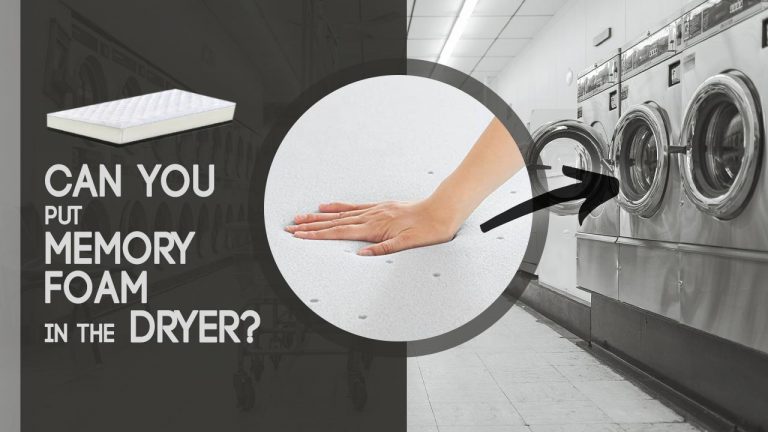
Can I use a regular dryer to heat-treat memory foam?
Standard home dryers cannot accommodate full-size memory foam mattresses and may damage the material with excessive heat. Memory foam pillows can use large-capacity dryers on low heat settings for extended periods. Professional heat treatment or oven treatment provides more controlled temperature management for memory foam items.
How do I know if bed bug treatment worked on memory foam?
Monitor for 6-8 weeks after treatment, inspecting memory foam seams and covers weekly for new blood spots, dark stains, or live bugs. Successful treatment shows no new bite marks on occupants and no visible bug activity during nighttime inspections. Consider treatment failed if new signs appear after 3-4 weeks post-treatment.
Do bed bug sprays damage memory foam material?
Liquid bed bug sprays can damage memory foam by breaking down the polyurethane structure and causing discoloration or odor retention. Apply sprays only to covers and seams, avoiding direct contact with foam surfaces. Cleaning methods for memory foam require careful chemical selection to prevent material damage.
Can bed bugs spread from memory foam to other furniture?
Bed bugs actively spread from infested memory foam to wooden furniture, upholstery, and carpet within 20 feet of sleeping areas. They travel along electrical wires, baseboards, and furniture legs seeking new hiding spots. Treating only memory foam items without addressing surrounding furniture leads to re-infestation within 2-4 weeks.
Is cold treatment effective for memory foam mattresses?
Cold treatment at 0°F for 4 days kills bed bugs in memory foam, but most home freezers cannot accommodate full-size mattresses. This method works well for memory foam pillows and small toppers. Professional cold treatment facilities can handle larger items but may be cost-prohibitive compared to heat treatment.
How often should I inspect memory foam for bed bugs?
Inspect memory foam mattresses and pillows every 2-3 weeks, focusing on seams, covers, and head areas where bugs concentrate. Increase inspection frequency to weekly during active infestations or after treatment. Use flashlights and magnifying glasses for thorough examination of potential hiding spots along foam edges and cover zippers.
Can diatomaceous earth be used on memory foam?
Food-grade diatomaceous earth can be applied to memory foam covers and seams but should not contact foam surfaces directly. The powder works by dehydrating bed bugs over 7-14 days of contact. Apply thin layers to areas where bugs travel, avoiding heavy application that could affect foam performance or indoor air quality.
Will bed bug encasements prevent all infestations?
Quality bed bug encasements prevent 90-95% of initial infestations when properly installed and maintained. They cannot prevent bugs from infesting surrounding furniture or entering through other routes. Encasements work best as part of comprehensive prevention including regular inspection and proper travel precautions.
How long after treatment is memory foam safe to use?
Memory foam treated with heat is safe for immediate use after cooling to room temperature. Chemical treatments require 24-48 hours ventilation time before safe use, depending on product instructions. Steam-treated memory foam needs 24-48 hours drying time to prevent moisture retention and potential mold growth.
Can bed bugs return after successful memory foam treatment?
Bed bugs can return through new introduction via luggage, used furniture, or neighboring infestations even after successful treatment. They do not develop immunity to treatment methods, so re-infestation indicates new bug introduction rather than treatment failure. Preventive measures and regular inspection help detect new infestations early.
Do memory foam density levels affect bed bug infestation?
Higher density memory foam (4-5 lbs/ft³) provides fewer hiding spots for bed bugs compared to lower density foam (2-3 lbs/ft³). However, density does not prevent infestation since bugs primarily inhabit covers and seams rather than foam interiors. Memory foam benefits include consistent surface texture that makes bug detection easier during inspections.
Should I replace memory foam after bed bug infestation?
Replacement is unnecessary after successful treatment unless the memory foam shows damage from excessive chemical or heat exposure. Quality memory foam maintains performance after proper bed bug treatment. Consider replacement if multiple treatment attempts fail or if the mattress lifespan indicates normal replacement timing regardless of bugs.
Can essential oils prevent bed bugs in memory foam?
Essential oils show limited repellent effects against bed bugs and do not provide reliable prevention for memory foam items. Tea tree oil and lavender may deter some bugs but cannot eliminate established infestations. Professional-grade treatments remain necessary for effective bed bug control in memory foam products.
What temperature should I maintain during bed bug treatment?
Maintain 122°F (50°C) consistently for 90 minutes during heat treatment of memory foam mattresses. Monitor temperature with digital thermometers placed at multiple locations within the treatment area. Temperature fluctuations below 118°F may allow some bed bugs to survive the treatment process.
How do bed bugs initially infest memory foam products?
Bed bugs typically arrive via luggage, used furniture, clothing, or by spreading from neighboring infested areas. They detect sleeping humans through carbon dioxide and heat signatures, then establish colonies in nearby memory foam seams and covers. Proper storage techniques can prevent infestation during vacant periods or when moving memory foam items.
Can professional pest control guarantee bed bug elimination from memory foam?
Most professional pest control companies offer 6-12 month guarantees for bed bug treatment including memory foam items. Guarantees typically require customer cooperation with preparation instructions and follow-up appointments. Success rates reach 95-99% with professional treatment using specialized equipment and restricted-use pesticides not available for consumer purchase.
Conclusion
Eliminating bed bugs from memory foam mattresses and pillows requires systematic heat treatment at 122°F for 90 minutes or comprehensive chemical application to covers and seams. Memory foam’s dense structure protects against deep bug penetration but requires specialized treatment approaches to avoid material damage.
Successful bed bug elimination demands treating entire bedroom environments, not just individual memory foam items. Prevention through quality encasements and regular inspection provides the most effective long-term protection against re-infestation.
Professional treatment offers higher success rates and guarantees, while DIY methods can work for early detection and light infestations. Consistent application and thorough coverage determine treatment success regardless of chosen approach.
Monitor treated memory foam items for 6-8 weeks after treatment to ensure complete elimination. Early detection and immediate treatment provide the best outcomes for preserving memory foam quality while eliminating bed bug infestations.