How Long Do Memory Foam Mattress Toppers Last? When to Replace Them?
Memory foam mattress toppers typically last 3 to 5 years under normal use, depending on foam density, sleep habits, and care practices. Higher-density toppers (4+ pounds per cubic foot) can extend this lifespan to 6-8 years, while lower-density options may need replacement after 2-3 years.
Understanding topper lifespan helps you plan for replacements and maintain optimal sleep comfort. Poor-quality foam breaks down faster, creating permanent body impressions and reducing pressure relief effectiveness.
This guide covers expected lifespans, replacement indicators, and strategies to maximize your topper’s durability through proper care and maintenance practices.
What Determines Memory Foam Topper Lifespan
Memory foam topper longevity depends primarily on foam density, construction quality, and usage patterns. Density measurements range from 2.5 to 6 pounds per cubic foot, with higher densities providing superior durability and resistance to permanent compression.
According to the Sleep Products Safety Council, foam density directly correlates with lifespan expectations. Toppers with 3-4 pound density typically maintain structural integrity for 3-5 years under average use conditions.
Manufacturing quality affects cell structure uniformity and chemical bonding strength. Open-cell constructions promote airflow but may sacrifice some durability compared to closed-cell alternatives.
Foam Density Impact on Durability
Low-density foams (2.5-3.5 lbs/ft³) compress more easily and show permanent indentations within 18-36 months. These materials cost less initially but require more frequent replacement.
High-density options (4.5-6 lbs/ft³) resist compression and maintain shape for 5-8 years. The denser cell structure provides consistent pressure relief throughout the extended lifespan.
Construction Quality Indicators
Premium toppers feature consistent cell structure, uniform density distribution, and stable chemical formulations. Manufacturing processes like block cutting versus molding affect long-term performance characteristics.
Quality control measures during production ensure foam meets specified density tolerances. Variations exceeding ±0.2 lbs/ft³ can create weak points that accelerate breakdown.
Usage Pattern Effects
Body weight, sleep position, and nightly movement frequency influence wear patterns. Heavier sleepers (200+ pounds) typically see 20-30% shorter lifespans due to increased compression forces.
Side sleepers concentrate pressure on hip and shoulder areas, creating localized wear. Back sleepers distribute weight more evenly, potentially extending topper life by 12-18 months.
Signs Your Memory Foam Topper Needs Replacement
Replace your memory foam topper when permanent body impressions exceed 1.5 inches deep or recovery time extends beyond 30 seconds after pressure removal. These indicators signal structural breakdown and reduced support effectiveness.
According to mattress industry standards, visible sagging, persistent odors, or allergic reactions suggest replacement necessity. Compromised foam loses pressure-relieving properties and may negatively impact spinal alignment.
Professional sleep specialists recommend monitoring these changes monthly to identify degradation patterns before comfort significantly decreases.
Physical Deterioration Markers
Permanent indentations deeper than 1 inch indicate foam cell collapse. Measure impressions after 24 hours without use for accurate assessment.
Cracking, tearing, or crumbling edges signal advanced deterioration. These defects worsen rapidly and compromise topper integrity.
Performance Degradation Signs
Extended recovery time (over 10-15 seconds) shows reduced viscoelastic properties. Fresh memory foam typically recovers within 3-5 seconds at room temperature.
Decreased pressure relief leads to increased tossing and turning. Sleep disruptions often increase 6-12 months before visible deterioration appears.
Hygiene and Health Concerns
Persistent odors despite cleaning indicate bacterial or mold growth within foam cells. Moisture accumulation creates ideal conditions for microorganism development.
Increased allergy symptoms or skin irritation may result from dust mite accumulation. Memory foam’s dense structure can trap allergens over time.
| Replacement Indicator | Measurement | Urgency Level |
|---|---|---|
| Body Impression Depth | 1.5+ inches | High |
| Recovery Time | 30+ seconds | High |
| Edge Deterioration | Visible cracking | Medium |
| Odor Persistence | After deep cleaning | Medium |
| Sleep Quality Decline | Increased movement | Low-Medium |
How to Extend Your Memory Foam Topper Lifespan
Proper rotation, temperature control, and protective covering can extend memory foam topper life by 40-60%. Regular maintenance prevents premature wear and maintains consistent support characteristics throughout the expected lifespan.
The International Sleep Products Association recommends specific care protocols to maximize foam durability. Temperature management proves particularly critical, as heat accelerates chemical breakdown in viscoelastic materials.
Implementing these strategies from initial use provides the greatest longevity benefits compared to reactive maintenance approaches.
Rotation and Positioning Strategies
Rotate your topper 180 degrees every 3 months to distribute wear patterns evenly. This practice prevents concentrated compression in high-pressure areas like hips and shoulders.
Flip the topper completely every 6 months if construction allows. Some toppers feature different firmness levels on each side, limiting flipping options.
Environmental Control Methods
Maintain bedroom temperatures between 60-68°F (15-20°C) to optimize foam performance and longevity. Higher temperatures accelerate chemical breakdown and permanent compression.
Control humidity levels below 50% to prevent moisture accumulation. Excess humidity promotes mold growth and weakens foam cell structure over time.
Protective Covering Solutions
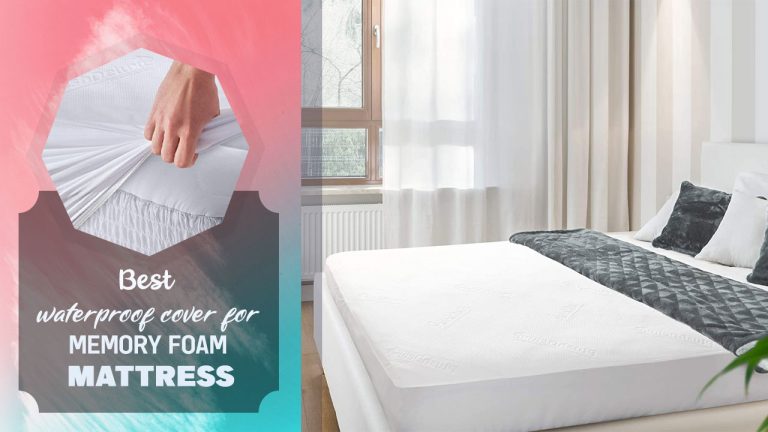
Use breathable, waterproof protectors to shield against spills, sweat, and body oils. These barriers prevent liquid penetration while maintaining airflow for temperature regulation.
Choose protectors with four-way stretch to avoid restricting foam contouring capabilities. Tight-fitting covers can create pressure points and accelerate wear patterns.
| Maintenance Task | Frequency | Expected Benefit |
|---|---|---|
| Rotation (180°) | Every 3 months | Even wear distribution |
| Complete flip | Every 6 months | Extended lifespan |
| Protector washing | Monthly | Hygiene maintenance |
| Temperature monitoring | Weekly | Optimal foam performance |
| Impression measurement | Bi-annually | Early wear detection |
Memory Foam Topper Thickness and Longevity
Topper thickness significantly affects lifespan expectations, with 3-4 inch options typically lasting 1-2 years longer than 2-inch alternatives. Thicker toppers provide more material to compress before reaching structural failure points.
Research from foam manufacturers indicates that thickness optimization balances durability with heat retention concerns. Excessive thickness can trap body heat and accelerate foam degradation from thermal stress.
Professional sleep consultants recommend thickness selection based on body weight, sleep position, and underlying mattress firmness to optimize both comfort and longevity.
2-Inch Topper Performance
Two-inch toppers provide basic pressure relief for 2-4 years under light to moderate use. These thinner options work best for sleepers under 150 pounds or those seeking subtle mattress modification.
Limited material depth means compression forces reach the base layer quickly, potentially creating bottoming-out sensations as the foam ages.
3-Inch Topper Durability
Three-inch thickness offers optimal balance between longevity (3-5 years) and heat management. This dimension provides adequate material for compression while maintaining breathability.
Medium-weight sleepers (150-200 pounds) typically achieve best results with 3-inch toppers, experiencing consistent support throughout the expected lifespan.
4+ Inch Topper Considerations
Four-inch and thicker toppers can last 4-7 years but may retain excessive heat. The additional material provides superior pressure relief but requires enhanced cooling strategies.
Heavier sleepers (200+ pounds) benefit from extra thickness, as increased material depth prevents premature compression failure.
When to Replace vs Repair Memory Foam Toppers
Replace memory foam toppers when compression loss exceeds 25% of original thickness or when recovery time extends beyond 30 seconds. Repair attempts on viscoelastic foam rarely restore original performance characteristics.
According to foam chemistry experts, cellular structure damage cannot be reversed through external treatments. Unlike traditional mattresses, memory foam toppers lack internal components that benefit from professional restoration services.
Cost analysis typically favors replacement over attempted repairs, especially for toppers approaching 70-80% of expected lifespan.
Irreparable Damage Types
Permanent compression exceeding 1.5 inches indicates cellular collapse that cannot be reversed. Chemical breakdown at the molecular level prevents restoration to original specifications.
Tears, cuts, or crumbling edges worsen rapidly under continued use. These structural failures compromise support integrity across the entire sleep surface.
Cost-Benefit Analysis
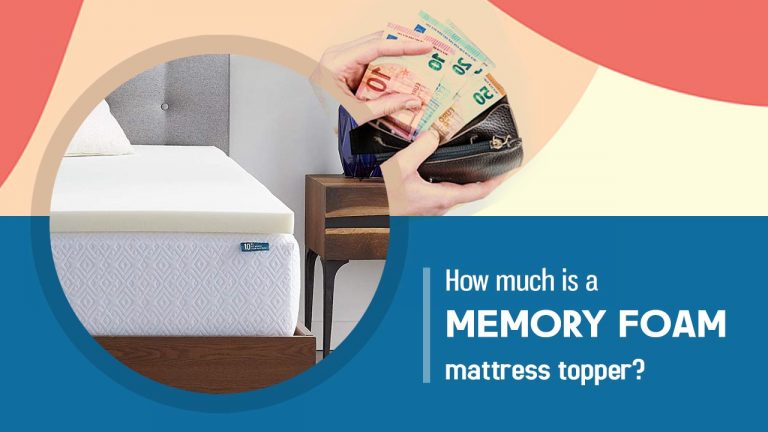
Replacement costs range from $100-500 depending on size, density, and brand quality. Professional restoration services, when available, typically cost 60-70% of replacement price without guaranteed results.
New toppers provide full warranty coverage and predictable performance characteristics. Repair attempts void existing warranties and offer uncertain longevity benefits.
Timing Optimization
Replace toppers during off-season sales periods (February-March, September-October) for maximum value. Planning replacement timing can reduce costs by 20-40% compared to urgent purchases.
Monitor performance degradation 6 months before expected replacement needs. Early identification allows time for research and sale opportunities.
Comparing Memory Foam Topper Lifespan to Alternatives
Memory foam toppers last 3-5 years compared to latex toppers (5-8 years) and down alternatives (2-3 years). Latex provides superior durability but costs 40-60% more initially, while synthetic fills offer lower upfront investment with frequent replacement needs.
According to Consumer Reports testing, material composition directly influences replacement cycles. Natural latex resists compression better than viscoelastic foam, while synthetic materials degrade faster under body heat and pressure.
Total cost of ownership over 10 years varies significantly between topper types, making longevity a crucial factor in selection decisions.
Latex Topper Comparison
Natural latex toppers maintain elasticity for 6-10 years due to inherent rubber properties. The cellular structure resists permanent compression better than memory foam alternatives.
Initial costs run $200-600 higher than comparable memory foam options. However, extended lifespan can offset higher purchase prices over time.
Polyurethane Foam Alternatives
Standard polyurethane foam toppers last 2-4 years at lower cost points ($50-150). These materials lack viscoelastic properties but provide basic cushioning enhancement.
Gel-infused polyurethane offers improved cooling but similar durability characteristics to standard foam construction methods.
Natural Fiber Options
Wool and cotton toppers require replacement every 1-3 years due to fiber compression and moisture absorption issues. These materials cost less initially but need frequent replacement.
Down and feather alternatives maintain loft for 2-4 years with regular fluffing maintenance. Synthetic down substitutes typically last 18-30 months under normal use.
| Topper Type | Expected Lifespan | Initial Cost Range | Replacement Frequency |
|---|---|---|---|
| Memory Foam | 3-5 years | $100-400 | Every 4 years |
| Latex | 5-8 years | $200-600 | Every 6-7 years |
| Polyurethane | 2-4 years | $50-150 | Every 3 years |
| Down Alternative | 2-3 years | $75-200 | Every 2-3 years |
| Natural Fibers | 1-3 years | $100-300 | Every 2 years |
Frequently Asked Questions
How do I know if my 3-year-old memory foam topper needs replacement?
Measure any permanent body impressions after 24 hours without use. Impressions deeper than 1.5 inches or recovery times exceeding 20 seconds indicate replacement necessity.
Check for decreased sleep quality, increased tossing and turning, or morning stiffness. These symptoms often appear 6-12 months before visible deterioration becomes obvious.
Test foam responsiveness by pressing firmly for 10 seconds, then releasing. Fresh memory foam should recover within 5-10 seconds at room temperature.
Can I extend my memory foam topper life beyond 5 years?
High-density toppers (4.5+ lbs/ft³) with proper care can potentially last 6-8 years. Regular rotation, temperature control, and protective covering significantly impact longevity.
However, expecting performance beyond manufacturer specifications often leads to compromised sleep quality. Foam degradation occurs gradually, making decline less noticeable until significant deterioration occurs.
Budget for replacement every 4-5 years regardless of apparent condition to maintain optimal sleep support and hygiene standards.
Do expensive memory foam toppers last significantly longer?
Premium toppers typically use higher-density foams and superior manufacturing processes, potentially extending lifespan by 1-3 years. However, price alone doesn’t guarantee durability.
Focus on foam density specifications rather than brand pricing. A 4-pound density topper from a value manufacturer often outperforms a 3-pound premium option.
Warranty length provides better longevity indicators than price points. Manufacturers confident in durability offer 5-10 year coverage periods.
What room temperature is best for memory foam topper longevity?
Maintain bedroom temperatures between 60-68°F (15-20°C) for optimal foam durability. Higher temperatures accelerate chemical breakdown and permanent compression development.
Temperatures above 75°F can reduce expected lifespan by 20-30% through accelerated cellular degradation. Memory foam softens excessively in heat, creating permanent deformation risks.
Consistent temperature proves more important than absolute values. Frequent temperature swings stress foam structure and promote premature aging.
Should I replace my topper if it develops a permanent smell?
Persistent odors after thorough cleaning indicate bacterial or mold growth within foam cells. These microorganisms continue reproducing and can affect sleep health.
Strong chemical smells developing after initial off-gassing period suggest foam degradation. Breakdown byproducts can create unpleasant and potentially harmful emissions.
Replace immediately if odors cause respiratory irritation, headaches, or allergic reactions. Health concerns outweigh any remaining functional life.
How does body weight affect memory foam topper replacement timing?
Sleepers over 200 pounds typically need replacement 12-18 months earlier than lighter individuals. Increased compression forces accelerate foam breakdown and permanent impression development.
Couples sharing a topper may see uneven wear patterns based on weight differences. The heavier sleeper’s side often requires attention first.
Consider higher-density options (4+ lbs/ft³) if you weigh over 180 pounds to achieve standard 3-5 year lifespan expectations.
Can I stack old memory foam toppers instead of replacing?
Stacking compromises support integrity and temperature regulation. Multiple layers trap heat and create unstable sleep surfaces that shift during movement.
Degraded foam in bottom layers continues breaking down, potentially affecting upper layer performance. The combined thickness may exceed safe sleeping surface heights.
Replace worn toppers rather than layering. Single, high-quality toppers provide superior support and durability compared to multiple degraded layers.
Do memory foam toppers last longer on firm or soft mattresses?
Firm mattress foundations typically extend topper life by providing stable support that prevents excessive compression. Soft underlying surfaces allow deeper sinking that stresses foam structure.
Platform beds and firm innerspring mattresses offer ideal foundations for maximum topper longevity. Adjustable bases should maintain flat positions during sleep for best results.
Avoid placing memory foam toppers on old, sagging mattresses. The unstable foundation creates uneven pressure distribution that accelerates wear patterns.
How often should I rotate my memory foam topper for maximum lifespan?
Rotate toppers 180 degrees every 2-3 months to distribute wear patterns evenly. More frequent rotation provides minimal additional benefits while increasing handling risks.
Mark rotation dates on your calendar or use smartphone reminders for consistency. Regular rotation can extend lifespan by 25-40% through even wear distribution.
Consider flipping if your topper allows, though many memory foam designs work optimally in one direction only.
What’s the difference between topper and mattress pad lifespan expectations?
Memory foam mattress pads (under 2 inches) typically last 2-4 years, while toppers (2+ inches) last 3-6 years due to increased material depth.
Pads focus on surface comfort enhancement rather than structural support. The thinner profile means compression forces reach base materials faster.
Toppers provide significant pressure relief and support modification, justifying longer replacement cycles and higher initial investment.
Can washing a memory foam topper extend its lifespan?
Memory foam should never be machine washed, as water saturation destroys cellular structure permanently. Spot cleaning with mild detergent and air drying provides safe maintenance.
Regular vacuuming removes surface debris and dust mites that can accelerate degradation. Use upholstery attachments to avoid damaging foam surface.
Focus on protective covers that can be washed regularly rather than attempting to clean the foam directly.
How do sleep position preferences affect replacement timing?
Side sleepers typically need replacement 6-12 months sooner due to concentrated pressure on hip and shoulder areas. These high-pressure zones develop permanent impressions faster.
Back sleepers distribute weight more evenly, potentially extending topper life by 20-30%. Stomach sleeping creates different pressure patterns but similar overall wear rates.
Combination sleepers may see more even wear distribution, potentially achieving maximum expected lifespan with proper care.
Should I replace both mattress and topper simultaneously?
Replace based on individual condition rather than simultaneous scheduling. Memory foam mattresses typically last 7-10 years while toppers need replacement every 3-5 years.
A quality mattress can support 2-3 topper replacement cycles throughout its lifespan. This staggered approach spreads replacement costs over time.
Consider simultaneous replacement only if both show significant deterioration or if warranty periods align favorably.
How do I dispose of an old memory foam topper responsibly?
Contact local recycling centers that accept polyurethane foam materials. Many facilities can break down foam for carpet padding or other industrial applications.
Some mattress retailers offer take-back programs when purchasing replacements. Check manufacturer websites for disposal or recycling partnerships.
Avoid landfill disposal when possible, as memory foam takes decades to decompose naturally and may release chemicals during breakdown.
Do cooling gel-infused toppers last as long as standard memory foam?
Gel-infused memory foam toppers typically match standard foam lifespans (3-5 years) when gel integration is done properly. Quality gel infusion doesn’t significantly affect durability.
However, cheap gel applications may separate or degrade faster than the base foam. Look for manufacturers that specify gel integration methods and longevity testing.
The cooling benefits may diminish over time even if structural integrity remains intact. Consider this when evaluating replacement timing.
Can pets sleeping on the topper affect its lifespan?
Pet claws can puncture or tear memory foam surfaces, creating entry points for moisture and debris. Sharp scratching accelerates surface degradation significantly.
Pet body heat, oils, and occasional accidents introduce contaminants that promote bacterial growth. Use pet-specific protective covers for shared sleep surfaces.
Larger pets (50+ pounds) add substantial compression forces that may reduce topper life by 12-24 months depending on nightly usage patterns.
How does seasonal temperature variation affect memory foam topper aging?
Extreme temperature swings stress foam cellular structure through repeated expansion and contraction cycles. Maintain consistent bedroom temperatures year-round when possible.
Summer heat accelerates chemical breakdown while winter cold can make foam brittle. Seasonal HVAC adjustments help maintain optimal 60-68°F range.
Rapid temperature changes prove more damaging than absolute temperatures. Gradual seasonal adjustments allow foam to adapt without structural stress.
Conclusion
Memory foam mattress toppers typically provide 3-5 years of effective service when properly maintained and cared for. Density, thickness, and usage patterns significantly influence actual lifespan, with higher-density options potentially lasting 6-8 years under ideal conditions.
Replace your topper when permanent impressions exceed 1.5 inches, recovery time extends beyond 30 seconds, or sleep quality noticeably declines. These indicators signal structural breakdown that cannot be reversed through cleaning or maintenance efforts.
Regular rotation, temperature control, and protective covering can extend lifespan by 25-40% compared to neglected toppers. Plan for replacement every 4-5 years regardless of apparent condition to maintain optimal sleep support and hygiene.
Invest in quality materials and proper care practices to maximize your memory foam topper’s value and performance throughout its expected lifespan.