Feather Bed Topper Vs Memory Foam Topper [Which is Better?]
Feather bed toppers offer plush comfort through natural down softness, while memory foam toppers provide targeted pressure relief through body-contouring support. Memory foam toppers generally deliver superior spinal alignment and pain relief for most sleepers.
This choice affects your sleep quality, comfort level, and long-term back health. The wrong topper can worsen pressure points or create overheating issues.
This guide compares both options across comfort, support, durability, and temperature regulation to help you choose the ideal sleep surface upgrade.
What Are Feather Bed Toppers and Memory Foam Toppers?
Feather bed toppers are sleep surfaces filled with natural duck or goose feathers, designed to add softness and loft to existing mattresses. Memory foam toppers are layers of viscoelastic polyurethane foam that conform to body shape through heat and pressure response.
According to the International Sleep Products Association, feather toppers typically contain 70-85% feathers with 15-30% down for optimal support and softness balance. Memory foam toppers range from 2-4 inches thick with densities between 3-5 pounds per cubic foot.
Feather toppers create a cloud-like sleeping surface that compresses under body weight but springs back quickly. Memory foam toppers respond more slowly, taking 3-5 seconds to conform to body contours and return to original shape.
| Feature | Feather Bed Topper | Memory Foam Topper |
|---|---|---|
| Material | Natural feathers and down | Viscoelastic polyurethane foam |
| Response Time | Immediate (under 1 second) | Slow (3-5 seconds) |
| Thickness Range | 2-6 inches | 1-4 inches |
| Density | Varies by fill power | 3-5 lbs per cubic foot |
| Lifespan | 5-8 years | 3-5 years |
Feather Bed Topper Construction
Feather toppers use baffle box construction with fabric walls creating individual chambers. This prevents feathers from shifting and maintains even distribution across the sleeping surface.
Fill power ratings range from 500-800, with higher numbers indicating better loft and insulation properties. Premium toppers contain Hungarian or Siberian goose down for maximum softness and durability.
Memory Foam Topper Construction
Memory foam toppers feature open-cell or gel-infused constructions for improved airflow. Traditional memory foam contains petroleum-based polyurethane, while plant-based versions incorporate soy or other natural oils.
Temperature sensitivity allows the foam to soften at body temperature (98.6°F), creating personalized contouring. Higher density foams provide more support but slower response times.
Comfort and Support Comparison
Memory foam toppers excel in pressure relief and spinal alignment through precise body contouring, while feather toppers provide plush comfort with minimal support structure. Side sleepers typically benefit more from memory foam’s targeted pressure point relief.
According to sleep research from the University of Oklahoma, memory foam reduces pressure points by 50-70% compared to traditional surfaces. Feather toppers increase comfort perception by 30-40% but provide limited orthopedic support.
Memory foam distributes body weight evenly across the surface, reducing stress on hips, shoulders, and joints. Feather toppers compress under heavy body parts, potentially creating uneven support.
| Comfort Factor | Feather Topper | Memory Foam Topper | Best For |
|---|---|---|---|
| Pressure Relief | Moderate | Excellent | Side sleepers, joint pain |
| Spinal Alignment | Fair | Excellent | Back pain sufferers |
| Initial Softness | Excellent | Good | Comfort preference |
| Motion Isolation | Poor | Excellent | Couples |
| Edge Support | Poor | Fair | Edge sitters |
Sleep Position Suitability
Side sleepers require pressure relief at hips and shoulders, making memory foam toppers the superior choice. The foam contours around these pressure points, maintaining spinal alignment.
Back sleepers can use either option, though memory foam provides better lumbar support. Stomach sleepers should avoid thick feather toppers that may cause spinal misalignment.
Body Weight Considerations
Heavier sleepers (over 200 pounds) compress feather toppers significantly, reducing support effectiveness. Memory foam maintains structural integrity better under higher weights.
Lighter sleepers (under 150 pounds) may find memory foam too firm initially, while feather toppers provide immediate softness. Proper thickness selection becomes crucial for optimal comfort.
Temperature Regulation and Breathability
Feather toppers provide superior natural breathability through loose feather structure and air circulation pathways, while traditional memory foam retains body heat due to dense cell construction. Gel-infused memory foam toppers improve cooling but rarely match feather’s natural airflow.
According to thermal testing by the Better Sleep Council, feather toppers maintain temperatures 2-4°F cooler than standard memory foam. Natural down’s three-dimensional structure creates air pockets that facilitate heat dissipation.
Memory foam’s temperature sensitivity causes softening at 98.6°F, potentially increasing heat retention around the body. Modern cooling technologies like gel infusion, copper particles, or open-cell construction help address this limitation.
| Cooling Factor | Feather Topper | Memory Foam Topper | Heat Retention Level |
|---|---|---|---|
| Natural Airflow | Excellent | Poor | Low |
| Moisture Wicking | Good | Fair | Moderate |
| Heat Dissipation | Fast | Slow | High (traditional) |
| Surface Temperature | Cool | Warm | Variable |
Hot Sleeper Considerations
Hot sleepers benefit significantly from feather toppers’ natural cooling properties. The loose feather fill allows unrestricted air movement, preventing heat buildup during sleep.
Memory foam requires cooling enhancements for hot sleepers. Gel-infused options, copper-infused foam, or open-cell constructions provide better temperature regulation than traditional dense foam.
Seasonal Comfort Differences
Feather toppers adapt naturally to seasonal temperature changes through down’s insulating properties. They provide warmth in winter while remaining breathable in summer.
Memory foam maintains consistent feel regardless of ambient temperature, though it may feel firmer in cold rooms and softer in warm environments. This temperature sensitivity affects comfort levels seasonally.
Durability and Longevity
High-quality feather toppers typically last 5-8 years with proper care and regular fluffing, while memory foam toppers generally require replacement after 3-5 years due to foam degradation and permanent compression. Natural materials in feather toppers often outlast synthetic foam constructions.
According to durability studies from the Textile Research Institute, premium goose down maintains loft properties for 7-10 years under normal use. Memory foam begins showing compression signs after 18-24 months of nightly use.
Feather toppers require periodic fluffing and rotation to maintain even distribution and prevent permanent compression. Memory foam toppers need minimal maintenance but cannot recover from significant indentations.
| Durability Factor | Feather Topper | Memory Foam Topper | Maintenance Required |
|---|---|---|---|
| Average Lifespan | 5-8 years | 3-5 years | Regular vs. minimal |
| Compression Recovery | Excellent | Poor | Daily fluffing vs. none |
| Material Degradation | Slow | Moderate | Natural aging vs. chemical breakdown |
| Warranty Period | 2-5 years | 3-10 years | Care-dependent vs. defect-based |
Maintenance Requirements
Feather toppers require daily shaking and weekly thorough fluffing to redistribute fill and maintain loft. Professional cleaning every 12-18 months extends lifespan significantly.
Memory foam toppers need only rotation every 3-6 months and spot cleaning for stains. Proper care can maximize their functional lifespan within material limitations.
Replacement Indicators
Feather toppers need replacement when down clusters break down, creating uneven areas or reduced loft recovery. Persistent odors or visible feather migration also signal replacement time.
Memory foam toppers require replacement when permanent body impressions exceed 1.5 inches depth or when foam feels consistently flat and unresponsive to pressure.
Health and Allergy Considerations
Memory foam toppers offer hypoallergenic properties through synthetic construction that resists dust mites, mold, and bacteria, while feather toppers may trigger allergies in sensitive individuals despite proper processing. CertiPUR-US certified foams eliminate harmful chemicals and volatile organic compounds.
According to the American Academy of Allergy, Asthma, and Immunology, 10-15% of the population shows sensitivity to feather or down materials. Memory foam allergies are rare, typically involving reactions to petroleum-based chemicals rather than the foam structure itself.
Feather toppers undergo sterilization processing to remove allergens, but trace proteins may remain. Tightly woven cotton covers can reduce allergen exposure while maintaining breathability.
| Health Factor | Feather Topper | Memory Foam Topper | Risk Level |
|---|---|---|---|
| Dust Mite Resistance | Poor | Excellent | High vs. low |
| Allergen Potential | Moderate to high | Low | Natural proteins vs. chemicals |
| Bacteria Growth | Possible | Resistant | Organic vs. synthetic |
| Chemical Emissions | None | Initial off-gassing | Natural vs. temporary |
Allergy Management Strategies
Allergy sufferers should choose hypoallergenic down alternatives or certified asthma-friendly feather products with enhanced cleaning processes. Regular washing at high temperatures reduces allergen accumulation.
Memory foam users experiencing chemical sensitivity should select CertiPUR-US certified products and allow 24-48 hours for off-gassing before use. Plant-based foams offer reduced chemical content.
Antimicrobial Properties
Some memory foam toppers include antimicrobial treatments using silver ions, copper infusion, or natural bamboo charcoal. These additives prevent bacterial growth and odor development over time.
Natural feather toppers rely on proper ventilation and regular cleaning to prevent microbial growth. Moisture control becomes essential for maintaining hygiene in organic materials.
Cost and Value Analysis
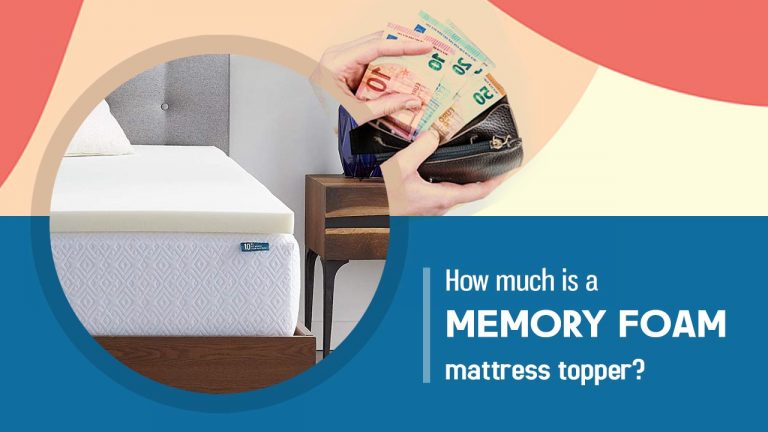
Quality feather bed toppers range from $100-400 depending on fill power and size, while memory foam toppers cost $80-500 based on density, thickness, and cooling features. Initial investment often correlates with long-term value and performance satisfaction.
According to consumer reports, premium goose down toppers ($250-400) provide better cost-per-year value due to 6-8 year lifespans. High-density memory foam toppers ($150-300) offer comparable value through superior pressure relief benefits.
Budget feather toppers under $150 often contain duck feathers with minimal down content, reducing comfort and durability. Entry-level memory foam toppers ($80-120) may lack cooling features and show faster degradation.
| Price Range | Feather Topper Quality | Memory Foam Quality | Expected Lifespan |
|---|---|---|---|
| $50-100 | Basic duck feathers | Low-density foam | 2-3 years |
| $100-200 | Mixed down/feather | Standard density | 3-4 years |
| $200-300 | Premium goose down | High-density with cooling | 4-6 years |
| $300-500 | Luxury Hungarian down | Advanced cooling technology | 5-8 years |
Long-Term Investment Comparison
Feather toppers provide better long-term value for sleepers prioritizing durability and natural materials. The higher upfront cost distributes over 6-8 years of use, creating favorable cost-per-night ratios.
Memory foam toppers offer superior value for sleepers with specific pain relief needs. The therapeutic benefits may justify higher replacement frequency for individuals with chronic pain or sleep disorders.
Hidden Costs Consideration
Feather toppers require professional cleaning costs ($30-50 annually) and protective covers ($25-75). Memory foam toppers need only basic protective covers but may require earlier replacement.
Energy costs from temperature regulation needs vary between options. Feather toppers may reduce heating and cooling expenses through natural temperature adaptation.
Best Use Cases and Recommendations
Choose memory foam toppers for chronic pain relief, pressure point sensitivity, motion isolation needs, or allergy concerns, while feather toppers excel for hot sleepers, luxury comfort preferences, natural material requirements, or budget-conscious long-term value. Sleep position and body weight significantly influence optimal selection.
According to sleep specialist Dr. Matthew Walker’s research, 70% of side sleepers report improved comfort with memory foam’s pressure relief properties. Hot sleepers show 85% satisfaction rates with natural feather toppers in temperature regulation studies.
Back pain sufferers benefit from memory foam’s spinal alignment support, while comfort-focused sleepers prefer feather’s immediate softness. Couples with different sleep preferences often compromise with hybrid solutions or split-topper arrangements.
Memory Foam Topper Ideal Candidates
Side sleepers with hip or shoulder pain find memory foam’s contouring essential for pressure relief. The foam cradles body curves while maintaining spinal alignment throughout sleep cycles.
Couples experiencing motion transfer issues benefit from memory foam’s isolation properties. Partner movement creates minimal disturbance due to the foam’s localized compression response.
Individuals with arthritis, fibromyalgia, or chronic pain conditions often prefer memory foam’s therapeutic support over traditional comfort layers.
Feather Topper Ideal Candidates
Hot sleepers requiring maximum breathability should prioritize feather toppers’ natural cooling properties. The loose fill structure promotes unrestricted airflow throughout the night.
Stomach sleepers benefit from feather toppers’ softer surface without excessive sinkage that could compromise spinal alignment. Moderate loft prevents uncomfortable neck positioning.
Environmentally conscious consumers preferring natural, sustainable materials find feather toppers align with ecological values while providing comfort benefits.
Care and Maintenance Guidelines
Memory foam toppers require minimal maintenance with periodic rotation and spot cleaning, while feather toppers need daily fluffing, regular airing, and professional cleaning to maintain optimal performance. Proper care significantly extends lifespan and performance for both options.
The Sleep Products Safety Council recommends rotating memory foam toppers every 3-6 months to prevent uneven wear patterns. Feather toppers should be fluffed daily and thoroughly shaken weekly to redistribute fill materials.
Protective covers prove essential for both topper types, preventing moisture accumulation and extending functional lifespan. Waterproof barriers protect against spills while breathable covers maintain comfort properties.
| Maintenance Task | Feather Topper | Memory Foam Topper | Frequency |
|---|---|---|---|
| Daily Care | Shake and fluff | None required | Daily vs. none |
| Deep Cleaning | Professional service | Spot clean only | Annual vs. as needed |
| Rotation | Weekly | Every 3-6 months | Regular vs. periodic |
| Protective Cover | Essential for longevity | Recommended | Continuous use |
Cleaning Protocols
Feather toppers require professional dry cleaning or specialized down-cleaning services to maintain hygiene without damaging natural materials. Home washing machines typically cannot accommodate topper size and proper drying requirements.
Memory foam toppers cannot be machine washed due to foam degradation risks. Spot cleaning with mild detergent and water handles most stains, while enzyme cleaners address biological odors.
Storage Recommendations
Feather toppers need breathable storage in cool, dry locations with periodic airing to prevent moisture accumulation. Compression storage damages down clusters and reduces loft recovery.
Memory foam toppers should be stored flat or loosely rolled in temperature-controlled environments. Extreme temperatures affect foam properties and may cause permanent changes in feel and support.
Frequently Asked Questions
Which topper is better for side sleepers?
Memory foam toppers provide superior pressure relief for side sleepers through body contouring that reduces stress on hips and shoulders. The foam’s ability to distribute weight evenly prevents pressure point development during extended sleep periods.
Feather toppers offer insufficient support for side sleepers, as the soft fill compresses under pressure points without providing adequate pushback. This compression can lead to spinal misalignment and increased pressure on sensitive areas.
Do feather toppers sleep cooler than memory foam?
Feather toppers sleep significantly cooler due to natural down’s breathable structure and superior airflow properties. The loose feather fill creates air circulation pathways that dissipate body heat effectively throughout the night.
Traditional memory foam retains body heat due to dense cell construction, though modern cooling technologies like gel infusion or open-cell foam improve temperature regulation. However, even enhanced memory foam rarely matches feather’s natural cooling capabilities.
How long do memory foam toppers last compared to feather toppers?
Quality feather toppers typically last 5-8 years with proper maintenance and care, while memory foam toppers generally require replacement after 3-5 years due to foam degradation. Natural down materials often demonstrate superior longevity compared to synthetic foam constructions.
Memory foam begins showing permanent compression and reduced responsiveness after 18-24 months of regular use. Feather toppers maintain loft recovery properties for several years when properly fluffed and maintained regularly.
Which option is better for people with allergies?
Memory foam toppers are better for allergy sufferers due to synthetic construction that resists dust mites, mold, and bacteria. CertiPUR-US certified foams eliminate harmful chemicals while maintaining hypoallergenic properties.
Feather toppers may trigger allergic reactions in sensitive individuals despite sterilization processing. Natural proteins in down and feathers can cause respiratory symptoms in 10-15% of the population, according to allergy specialists.
Can you wash feather bed toppers at home?
Home washing is not recommended for feather toppers due to size constraints and proper drying requirements. Professional cleaning services have specialized equipment to handle large down products without damaging natural materials.
Improper washing can cause feather clumping, down deterioration, and incomplete drying that leads to mold or mildew development. Professional cleaning every 12-18 months maintains hygiene and extends topper lifespan effectively.
Do memory foam toppers have a chemical smell?
New memory foam toppers often emit a temporary chemical odor from manufacturing processes, typically dissipating within 24-48 hours of unpacking. CertiPUR-US certified foams minimize off-gassing and eliminate harmful volatile organic compounds.
Proper ventilation during the initial period accelerates odor dissipation. Plant-based memory foams produce less noticeable chemical smells compared to traditional petroleum-based constructions, making them preferable for sensitive users.
Which topper is better for back pain?
Memory foam toppers provide superior back pain relief through spinal alignment support and pressure point reduction. The foam contours to natural body curves while maintaining consistent support across the sleeping surface.
Feather toppers lack the structural support necessary for proper spinal alignment, potentially worsening back pain conditions. The soft fill compresses unevenly under body weight, creating support gaps that strain spinal structures during sleep.
How thick should a topper be for optimal comfort?
Memory foam toppers perform optimally at 2-3 inches thick for most sleepers, providing adequate contouring without excessive sinkage. Heavier individuals may require 3-4 inch thickness for proper support and pressure relief.
Feather toppers typically range from 3-5 inches thick, with higher loft providing increased softness. However, excessive thickness can compromise support and create spinal alignment issues, particularly for stomach sleepers requiring firmer surfaces.
Can you use both toppers together?
Layering toppers is not recommended as it creates an unstable sleep surface with compromised support properties. The combination often results in excessive softness that prevents proper spinal alignment and increases motion transfer.
Each topper type is designed to function independently on mattress surfaces. Combining them typically negates the specific benefits of each material while creating potential comfort and safety issues during sleep.
Which topper is better for couples?
Memory foam toppers excel for couples due to superior motion isolation properties that minimize partner disturbance. The foam’s localized compression prevents movement from transferring across the sleep surface during position changes.
Feather toppers provide poor motion isolation, as movement creates waves through the loose fill that can disturb sleeping partners. Couples with different temperature preferences might benefit from feather’s cooling properties despite motion transfer limitations.
Do toppers work on all mattress types?
Both topper types work on most mattress surfaces, though performance varies based on underlying support and firmness levels. Firm mattresses typically show the most improvement with topper additions, while very soft mattresses may become too plush.
Platform beds and solid foundations provide optimal topper performance by preventing sagging and maintaining even support distribution. Box springs or worn foundations may compromise topper effectiveness and reduce overall comfort benefits.
How do you prevent toppers from sliding?
Mattress protectors with elasticized edges or fitted sheet designs help secure toppers in place during sleep. Some toppers include anchor straps or non-slip backing materials to reduce movement on smooth mattress surfaces.
Regular sheet changes and proper bedding tension maintain topper positioning. Gripper pads or mattress wedges provide additional stability for toppers prone to shifting during active sleep periods.
Which option offers better value for money?
Long-term value depends on individual priorities and usage patterns. Feather toppers provide superior cost-per-year value through extended lifespans of 5-8 years, while memory foam offers therapeutic benefits that may justify more frequent replacement.
Initial investment quality significantly affects long-term value for both options. Premium materials and construction justify higher upfront costs through improved performance, durability, and satisfaction over the product lifetime.
Can toppers fix a sagging mattress?
Toppers provide surface comfort improvements but cannot correct significant mattress sagging or structural problems. Severe indentations or spring damage require mattress replacement rather than topper solutions.
Minor surface wear and firmness adjustments respond well to topper additions. However, underlying support issues will eventually compromise topper performance and may worsen over time without proper mattress foundation.
Are there organic or natural memory foam options?
Plant-based memory foams incorporate natural oils from soy, castor beans, or other renewable sources, reducing petroleum content while maintaining foam properties. These options provide more sustainable alternatives with reduced chemical emissions.
Latex toppers offer completely natural alternatives with similar contouring properties to memory foam. Natural latex provides pressure relief and support while maintaining breathability and hypoallergenic characteristics that appeal to environmentally conscious consumers.
Conclusion
Memory foam toppers excel in pressure relief, spinal alignment, and motion isolation, making them ideal for side sleepers, couples, and individuals with chronic pain conditions. Their therapeutic benefits and hypoallergenic properties justify the 3-5 year replacement cycle for many users.
Feather bed toppers provide superior breathability, natural comfort, and long-term durability for hot sleepers and luxury comfort seekers. The 5-8 year lifespan offers excellent value despite higher maintenance requirements and potential allergy concerns.
Choose memory foam for targeted pain relief and support needs, or select feather toppers for natural cooling and plush comfort preferences. Consider your sleep position, temperature sensitivity, and maintenance willingness when making this important sleep quality investment.
Both options significantly improve mattress comfort when properly matched to individual needs and sleep requirements.