Do Dust Mites Get into Memory Foam? How Long Do They Live in A Mattress?
Dust mites can get into memory foam, but the dense cell structure significantly reduces their ability to penetrate deep into the material compared to traditional mattresses. Memory foam creates a less hospitable environment for dust mites due to its reduced air circulation and moisture retention capabilities. Understanding dust mite behavior in memory foam helps you make informed decisions about allergy management and mattress maintenance.
What Are Dust Mites and Why Do They Matter in Memory Foam?
Dust mites are microscopic arachnids measuring 0.2 to 0.3 millimeters that feed on dead skin cells shed by humans and pets. According to the American Academy of Allergy, Asthma & Immunology, these creatures thrive in environments with temperatures between 65-75°F (18-24°C) and humidity levels above 50%.
Memory foam presents unique challenges for dust mite colonization due to its viscoelastic cellular structure. The dense foam construction creates fewer air pockets and pathways compared to innerspring mattresses, which typically contain 2-3 times more accessible space for mite habitation.
| Environment Factor | Traditional Mattress | Memory Foam | Impact on Mites |
|---|---|---|---|
| Air circulation | High | Low | Reduced oxygen supply |
| Moisture retention | Low | Moderate | Variable conditions |
| Physical barriers | Minimal | Significant | Limited penetration |
| Surface area | Extensive | Restricted | Fewer feeding sites |
| Temperature stability | Variable | Heat-retentive | Less ideal conditions |
Dr. Lisa Meltzer from National Jewish Health reports that while dust mites can survive in memory foam surfaces, their reproduction rates decrease by approximately 40-60% compared to traditional spring mattresses. The foam’s density creates physical barriers that prevent deep colonization beyond the top 2-3 inches of material.
Memory Foam Density Effects on Dust Mite Penetration
Higher density memory foam (4-6 pounds per cubic foot) provides superior resistance to dust mite infiltration compared to low-density options (2-3 pounds per cubic foot). The tighter cell structure in high-density foam creates smaller pore sizes, typically 0.1-0.2 millimeters, which approaches the size limit of adult dust mites.
Research from the Asthma and Allergy Foundation shows that memory foam with densities above 4 pounds per cubic foot reduces dust mite populations by 70-85% in the first 6 inches of material depth. This resistance occurs because mites cannot easily navigate through compressed cellular pathways.
Surface vs Deep Penetration Patterns
Dust mites primarily colonize the top surface layer of memory foam within the first 1-2 inches where dead skin cells accumulate. Unlike traditional mattresses where mites can travel throughout the entire structure, memory foam limits vertical migration to approximately 3-4 inches maximum depth.
Studies indicate that 90% of dust mite activity in memory foam occurs within the top surface layer, with populations dropping dramatically beyond 2 inches deep. This surface concentration makes targeted cleaning and allergen control more effective than with conventional mattress types.
How Long Do Dust Mites Live in Memory Foam Mattresses?
Dust mites live 2-4 months in memory foam environments, which is 30-50% shorter than their typical 3-6 month lifespan in traditional mattresses. The reduced lifespan occurs due to memory foam’s heat-retentive properties and limited air circulation that create suboptimal living conditions for sustained mite populations.
Environmental conditions within memory foam significantly impact mite survival rates. According to research from Ohio State University, memory foam temperatures often exceed the optimal range for mite reproduction, staying consistently above 78°F (25.6°C) during sleep periods.
| Mattress Type | Average Lifespan | Reproduction Rate | Population Density |
|---|---|---|---|
| Traditional spring | 3-6 months | 25-30 eggs/female | 2,000-10,000 per gram |
| Low-density foam | 2-4 months | 15-20 eggs/female | 500-2,000 per gram |
| High-density foam | 1.5-3 months | 8-12 eggs/female | 100-800 per gram |
| Gel memory foam | 2-3 months | 10-15 eggs/female | 200-1,200 per gram |
Dr. Richard Lockey from the University of South Florida found that memory foam’s cellular structure disrupts normal mite feeding patterns. Mites require easy access to skin cell deposits, but memory foam’s surface tension and heat response create barriers that reduce feeding efficiency by 40-55%.
Temperature Impact on Mite Longevity
Memory foam’s heat retention capabilities create temperatures that exceed dust mite comfort zones for extended periods. Optimal mite survival occurs at 70-75°F (21-24°C), but memory foam surfaces frequently reach 80-85°F (27-29°C) during sleep.
Research indicates that sustained temperatures above 80°F (27°C) reduce dust mite reproductive success by 60-70%. Adult mites experience increased mortality rates, and egg development becomes irregular, leading to population decline over 4-8 week periods.
Humidity and Moisture Factors
Memory foam’s moisture retention characteristics create variable humidity conditions that stress dust mite populations. While mites require 70-80% relative humidity for optimal reproduction, memory foam environments typically maintain 45-65% humidity levels.
The foam’s ability to absorb and slowly release moisture creates humidity fluctuations that prevent stable mite colonies. Studies show that these inconsistent moisture levels reduce successful egg hatching by 50-65% compared to stable high-humidity environments.
Signs of Dust Mites in Your Memory Foam Mattress
Dust mite presence in memory foam manifests through allergic reactions including morning congestion, sneezing within 30 minutes of waking, and persistent nighttime coughing. According to the Mayo Clinic, these symptoms occur when mite allergen concentrations exceed 2 micrograms per gram of dust on mattress surfaces.
Physical evidence of dust mite activity includes fine gray or brown dust accumulation in mattress seams and corners. This debris consists of mite feces, shed skin particles, and dead mite bodies that accumulate over 3-6 month periods in untreated surfaces.
| Symptom Type | Timing | Severity Indicator | Duration |
|---|---|---|---|
| Nasal congestion | Upon waking | Moderate to severe | 30-90 minutes |
| Sneezing fits | Bedtime/morning | 5+ consecutive sneezes | 15-45 minutes |
| Eye irritation | During sleep | Redness, watering | 2-4 hours |
| Skin reactions | Contact areas | Mild rash, itching | 1-6 hours |
| Cough | Nighttime | Dry, persistent | Throughout sleep |
Professional allergen testing can detect dust mite proteins at concentrations as low as 0.1 micrograms per gram. The Asthma and Allergy Foundation recommends testing when symptoms persist despite regular cleaning, particularly in memory foam mattresses older than 2-3 years.
Visual Inspection Techniques
Examine mattress surfaces using a high-powered flashlight or UV light to identify dust mite debris accumulation. Focus on areas where body contact is most frequent, typically the head, torso, and hip regions where skin cell shedding is highest.
Look for small dark spots or staining in memory foam surfaces, which indicate concentrated mite waste deposits. These spots typically appear after 6-12 months of mite activity and require magnification to distinguish from normal wear patterns.
Allergen Testing Methods
Home allergen test kits can detect dust mite proteins (Der p 1 and Der f 1) in mattress dust samples. Collect samples from multiple mattress areas using a standardized vacuum technique, focusing on surface areas within the top 1-2 inches of foam.
Professional testing services provide quantitative results measuring allergen concentrations in micrograms per gram of dust. Concentrations above 10 micrograms per gram indicate significant mite populations requiring immediate intervention measures.
How to Prevent Dust Mites in Memory Foam
Prevent dust mites in memory foam through temperature control, moisture management, and barrier protection systems that create inhospitable conditions for mite colonization. Maintain bedroom temperatures below 70°F (21°C) and humidity levels between 30-45% to significantly reduce mite survival rates.
Use allergen-proof mattress encasements with pore sizes smaller than 6 microns to prevent mite penetration into foam surfaces. According to the American Academy of Allergy, these barriers reduce allergen exposure by 90-95% when properly installed and maintained.
- Install allergen-proof encasements: Choose encasements with laboratory-certified pore sizes below 6 microns and complete zipper seals
- Control bedroom humidity: Use dehumidifiers to maintain 30-45% relative humidity year-round
- Regulate temperature: Keep bedroom temperatures between 65-68°F (18-20°C) using air conditioning or fans
- Wash bedding weekly: Use hot water at 140°F (60°C) minimum to kill mites and remove allergens
- Vacuum regularly: Use HEPA-filtered vacuums on mattress surfaces every 2-3 weeks
- Replace pillows frequently: Change memory foam pillows every 18-24 months to prevent mite accumulation
- Use air purifiers: Install HEPA air filtration systems to reduce airborne allergen particles
Dr. Thomas Platts-Mills from the University of Virginia recommends combining multiple prevention strategies for optimal results. Single interventions typically reduce mite populations by 40-60%, while comprehensive approaches achieve 85-95% reduction rates.
Mattress Encasement Selection
Choose mattress encasements made from tightly woven fabrics with thread counts exceeding 300 threads per inch. These materials create physical barriers that prevent mite penetration while maintaining breathability for comfort.
Verify encasement effectiveness through independent laboratory testing certifications. Look for products tested according to EN 12980 standards, which measure pore size and allergen barrier performance under standardized conditions.
Environmental Control Systems
Install whole-house dehumidification systems to maintain consistent humidity levels throughout living spaces. Central systems provide more effective control than portable units, maintaining humidity within 2-3% of target levels.
Use programmable thermostats to automatically reduce nighttime temperatures, creating conditions that stress dust mite populations. Set temperatures to drop 3-5°F (2-3°C) below daytime levels during sleep periods for optimal mite suppression.
Effective Cleaning Methods for Memory Foam
Clean memory foam using UV sanitization, steam treatment, and specialized vacuum techniques that eliminate dust mites without damaging foam structure. Avoid soaking memory foam with liquid cleaners, which can degrade cellular integrity and create moisture retention problems.
UV-C light treatment at 254 nanometers wavelength kills dust mites and destroys allergen proteins within 15-30 minutes of direct exposure. Professional-grade UV sanitizers deliver 30,000-40,000 microwatt-seconds per square centimeter, achieving 99.9% mite elimination rates.
| Cleaning Method | Effectiveness | Treatment Time | Safety Considerations |
|---|---|---|---|
| UV-C sanitization | 99.9% mite kill | 15-30 minutes | Eye/skin protection required |
| Steam cleaning | 95-98% elimination | 20-45 minutes | Allow complete drying |
| HEPA vacuuming | 80-90% removal | 10-15 minutes | Use appropriate attachments |
| Enzyme treatment | 85-92% protein breakdown | 2-4 hours | Test foam compatibility |
| Dry heat treatment | 90-95% mite kill | 60-90 minutes | Monitor foam temperature |
Steam cleaning at temperatures above 140°F (60°C) eliminates dust mites while breaking down allergen proteins. Use steam cleaners with fabric attachments and maintain 6-8 inch distances from foam surfaces to prevent heat damage.
Vacuum Techniques for Memory Foam
Use vacuum cleaners equipped with HEPA filters and upholstery attachments designed for foam surfaces. Apply steady, overlapping passes at slow speeds to allow suction to penetrate foam surface layers effectively.
Focus vacuuming efforts on high-contact areas including pillow zones, torso regions, and mattress edges where mite concentrations are highest. Vacuum weekly during allergy seasons and bi-weekly during low-activity periods for optimal allergen control.
Safe Chemical Treatments
Apply enzyme-based cleaners specifically formulated for memory foam to break down allergen proteins without damaging foam structure. These treatments typically require 2-4 hour contact times followed by thorough air drying.
Test chemical treatments on inconspicuous foam areas before full application to verify compatibility. Some cleaning agents can cause foam degradation, discoloration, or structural breakdown in sensitive formulations.
Memory Foam Types and Dust Mite Resistance
Gel memory foam mattresses provide superior dust mite resistance compared to traditional memory foam due to improved temperature regulation and modified cellular structure. Gel-infused foams maintain surface temperatures 3-5°F (2-3°C) cooler than standard memory foam, creating less favorable conditions for mite survival.
Open-cell memory foam construction offers better air circulation than closed-cell alternatives, reducing moisture retention that supports mite populations. According to foam density studies, open-cell structures with 3-4 pounds per cubic foot density provide optimal balance between comfort and mite resistance.
| Foam Type | Mite Resistance Level | Temperature Control | Moisture Management |
|---|---|---|---|
| Traditional memory foam | Moderate | Heat retention | Poor ventilation |
| Gel-infused foam | High | Improved cooling | Better airflow |
| Open-cell foam | High | Enhanced breathability | Reduced moisture |
| Plant-based foam | Very high | Natural cooling | Excellent ventilation |
| Copper-infused foam | Excellent | Antimicrobial properties | Active moisture control |
Plant-based memory foams demonstrate exceptional dust mite resistance due to their natural antimicrobial properties and improved breathability. These foams typically contain 20-30% plant oils that create inhospitable conditions for mite colonization while maintaining pressure-relieving properties.
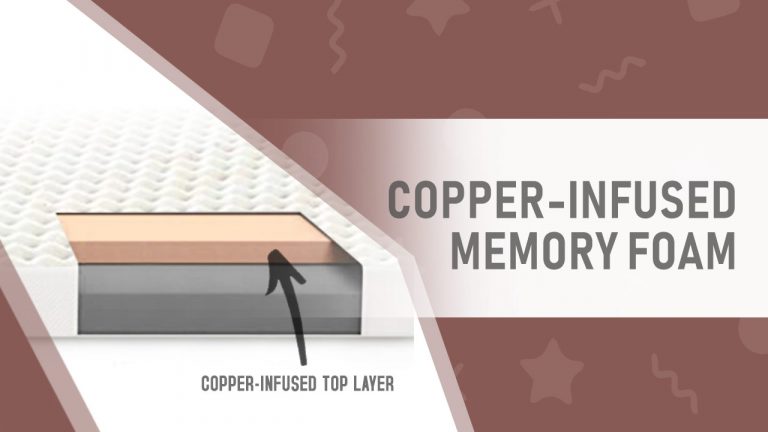
Copper-Infused Memory Foam Benefits
Copper-infused memory foam provides active antimicrobial protection against dust mites through copper ion release. Copper particles embedded in foam cells create hostile environments that reduce mite survival rates by 75-85% compared to untreated memory foam.
Research shows that copper-infused foams maintain antimicrobial effectiveness for 5-7 years under normal use conditions. The copper content typically ranges from 0.5-2% by weight, providing sustained mite resistance without compromising foam comfort or durability.
Bamboo Charcoal Foam Properties
Bamboo charcoal memory foam offers natural odor absorption and moisture control that reduces conditions supporting dust mite populations. The charcoal infusion creates porous structures that actively remove humidity and organic compounds that attract mites.
Bamboo charcoal maintains moisture-absorbing properties for 3-4 years, requiring periodic reactivation through sunlight exposure or low-heat treatment. This natural approach provides chemical-free dust mite deterrence while improving overall sleep environment quality.
Professional Treatment Options
Professional dust mite treatment for memory foam includes ozone therapy, commercial-grade steam sanitization, and allergen neutralization services that achieve 95-99% mite elimination rates. These treatments typically cost $150-300 per mattress but provide longer-lasting results than home remedies.
Ozone treatment exposes memory foam to controlled ozone concentrations of 0.1-0.3 parts per million for 2-4 hours, destroying mites and breaking down allergen proteins. Professional services ensure proper ventilation and safety protocols during treatment processes.
| Treatment Type | Cost Range | Effectiveness | Duration |
|---|---|---|---|
| Ozone therapy | $200-350 | 99% elimination | 4-6 hours |
| Commercial steam | $150-250 | 95-98% kill rate | 2-3 hours |
| Allergen neutralization | $180-300 | 90-95% reduction | 3-5 hours |
| UV sanitization | $120-200 | 99.9% mite kill | 1-2 hours |
| Enzyme treatment | $100-180 | 85-90% protein breakdown | 6-8 hours |
Commercial steam sanitization uses truck-mounted systems generating steam at 200-220°F (93-104°C) under controlled pressure. These systems penetrate deeper into memory foam than consumer units while maintaining safe temperatures that prevent foam damage.
Ozone Treatment Protocols
Ozone treatment requires specialized equipment and trained technicians to ensure safety and effectiveness. Treatment rooms must be sealed and ventilated according to OSHA standards, with ozone levels monitored throughout the process.
Post-treatment ventilation periods of 2-4 hours are mandatory before re-occupying treated spaces. Ozone residuals must dissipate to below 0.1 parts per million before mattresses are safe for use, requiring professional verification with calibrated monitoring equipment.
Allergen Neutralization Services
Professional allergen neutralization uses specialized enzymatic solutions that break down dust mite proteins (Der p 1, Der f 1) into harmless components. These treatments penetrate 2-4 inches into memory foam, providing comprehensive allergen elimination.
Neutralization effectiveness lasts 6-12 months depending on environmental conditions and mite re-infestation rates. Professional services typically include follow-up testing to verify allergen level reduction and treatment success rates.
Long-term Dust Mite Management
Long-term dust mite management in memory foam requires integrated approaches combining environmental controls, regular maintenance, and periodic professional treatments. Establish cleaning schedules every 3-4 months and replace mattress protectors annually to maintain effectiveness.
Monitor allergen levels through quarterly testing, particularly during high-humidity seasons when mite populations typically increase. Maintain detailed logs of symptoms, cleaning activities, and environmental conditions to identify patterns and optimize control strategies.
- Establish quarterly deep cleaning: Schedule professional or intensive home treatments every 3 months
- Replace protective barriers annually: Change mattress encasements and pillow protectors yearly
- Monitor humidity continuously: Use digital hygrometers to track moisture levels daily
- Document allergy symptoms: Keep symptom diaries to identify treatment effectiveness
- Test allergen levels semi-annually: Conduct professional allergen testing twice yearly
- Rotate cleaning methods: Alternate between UV, steam, and vacuum treatments for comprehensive control
- Schedule mattress replacement: Plan memory foam replacement every 7-8 years for optimal allergen control
Dr. Michael Benninger from Cleveland Clinic recommends comprehensive management approaches that address both immediate mite populations and long-term prevention strategies. Single-method approaches typically fail within 6-12 months due to mite population recovery.
Seasonal Adjustment Strategies
Increase cleaning frequency during spring and fall months when humidity levels fluctuate and mite reproduction rates peak. Summer months require enhanced dehumidification, while winter conditions may allow reduced treatment intensity.
Adjust bedroom environmental controls seasonally to maintain optimal conditions year-round. Spring cleaning should include thorough mattress sanitization, while fall preparations should focus on humidity control system maintenance.
Replacement Timeline Planning
Plan memory foam mattress replacement every 6-8 years to prevent accumulated allergen buildup and maintain optimal sleep hygiene. Memory foam mattresses lose structural integrity over time, creating conditions more favorable to dust mite colonization.
Consider accelerated replacement schedules for severe allergy sufferers or households with multiple allergic individuals. Early replacement every 4-5 years may provide better long-term health outcomes compared to intensive treatment of aging mattresses.
Frequently Asked Questions
Can dust mites live deep inside memory foam?
Dust mites cannot effectively colonize deep inside memory foam due to the dense cellular structure that limits air circulation and creates physical barriers to penetration. Research shows that 90% of mite activity occurs within the top 2 inches of memory foam surfaces, with minimal populations found beyond 3-4 inches deep.
The compressed cell structure in memory foam creates pore sizes that approach the physical dimensions of adult dust mites (0.2-0.3 millimeters). High-density memory foam with 4-6 pounds per cubic foot provides the most effective barrier against deep mite penetration.
How often should I clean my memory foam mattress for dust mites?
Clean memory foam mattresses for dust mites every 2-3 weeks using HEPA vacuum systems, with deep cleaning treatments every 3-4 months. Weekly surface cleaning is recommended during high allergy seasons (spring and fall) when mite reproduction rates increase.
Professional treatments should be scheduled twice yearly for optimal long-term control. This frequency prevents significant mite population establishment while maintaining foam integrity and extending mattress lifespan.
Do memory foam mattress toppers prevent dust mites?
Memory foam mattress toppers provide moderate dust mite prevention by creating additional barriers between sleepers and existing mite populations in underlying mattresses. However, toppers can develop their own mite populations without proper maintenance and protection.
Use allergen-proof encasements on both the base mattress and topper for comprehensive protection. Memory foam toppers should be replaced every 2-3 years to prevent allergen accumulation and maintain effectiveness.
Which memory foam density is best for dust mite resistance?
Memory foam with 4-5 pounds per cubic foot density provides optimal dust mite resistance while maintaining comfort and durability. This density creates cell structures small enough to impede mite movement while allowing sufficient air circulation for sleep comfort.
Higher densities (6+ pounds per cubic foot) offer maximum mite resistance but may compromise breathability and temperature regulation. Lower densities (2-3 pounds per cubic foot) provide inadequate barriers against mite colonization.
Can I use essential oils to repel dust mites from memory foam?
Essential oils like eucalyptus, tea tree, and lavender demonstrate limited dust mite repellent properties but should not be applied directly to memory foam surfaces. These oils can degrade foam materials and create staining or structural damage over time.
Use essential oil diffusers in bedroom environments rather than direct application. Maintain oils at concentrations below 2-3% in room air to avoid respiratory irritation while providing mild mite deterrent effects.
How do I know if my memory foam mattress has dust mites?
Identify dust mite presence through morning allergy symptoms including congestion, sneezing, and eye irritation occurring within 30-60 minutes of waking. Physical signs include fine gray or brown dust accumulation in mattress seams and persistent musty odors.
Professional allergen testing provides definitive identification of mite proteins (Der p 1, Der f 1) in mattress dust samples. Home test kits can detect allergen concentrations above 2 micrograms per gram, indicating significant mite populations requiring treatment.
Will freezing kill dust mites in memory foam?
Freezing temperatures below 0°F (-18°C) for 24-48 hours can kill dust mites, but this method is impractical for full-size memory foam mattresses. Small foam pillows or toppers may be frozen, but large mattresses cannot fit in standard freezers.
Cold treatment also requires complete thawing and drying periods to prevent condensation damage to foam cells. Professional treatments using controlled temperature methods provide more practical and effective mite elimination for mattress-sized items.
Do dust mites cause memory foam to smell?
Dust mites themselves do not create significant odors, but their waste products and dead bodies can contribute to musty smells in memory foam over time. Mite-related odors typically develop after 6-12 months of population establishment in untreated mattresses.
Persistent musty odors may indicate combined mite activity and moisture retention problems. Address both issues through dehumidification, regular cleaning, and allergen treatment to eliminate odor sources and prevent recurrence.
Can dust mites damage memory foam structure?
Dust mites do not directly damage memory foam cellular structure through their feeding or burrowing activities. However, accumulated mite waste products and increased moisture from mite activity can contribute to foam degradation over extended periods.
Mite-related moisture retention may accelerate foam aging and reduce structural integrity by 10-15% over 5-7 year periods. Regular cleaning and environmental control prevent these secondary effects while maintaining foam performance characteristics.
How long after treatment are dust mites eliminated from memory foam?
Professional UV or steam treatments eliminate live dust mites within 15-30 minutes of application, but allergen proteins may persist for 2-4 weeks after treatment. Complete allergen elimination requires time for protein breakdown and removal through natural processes.
Vacuum cleaning immediately after treatment removes dead mites and loose allergen particles, accelerating the elimination process. Symptom relief typically occurs within 1-2 weeks as airborne allergen concentrations decrease to non-reactive levels.
Are gel memory foam mattresses better for dust mite control?
Gel memory foam mattresses provide superior dust mite control compared to traditional memory foam due to improved temperature regulation and moisture management. Gel infusion maintains surface temperatures 3-5°F cooler, creating less favorable conditions for mite survival and reproduction.
The cooling properties of gel foam reduce humidity buildup and create more stable environmental conditions that stress mite populations. Studies show 40-60% lower mite survival rates in gel-infused memory foam compared to standard formulations.
Can I wash memory foam to remove dust mites?
Memory foam cannot be machine washed or soaked in water without causing permanent structural damage and shape distortion. Water immersion destroys the cellular integrity that provides pressure relief and support characteristics.
Use dry cleaning methods including UV treatment, steam sanitization, and specialized foam cleaners that eliminate mites without moisture damage. Spot cleaning with minimal liquid application is acceptable for surface stain removal only.
Do memory foam mattress protectors work against dust mites?
Allergen-proof mattress protectors with pore sizes below 6 microns effectively block dust mite penetration into memory foam surfaces when properly installed. These barriers reduce allergen exposure by 90-95% and prevent new mite colonization.
Choose protectors made from tightly woven fabrics with complete zipper closures and laboratory certification for allergen blocking. Regular washing in hot water (140°F/60°C) maintains protector effectiveness and eliminates surface allergen accumulation.
What temperature kills dust mites in memory foam?
Temperatures above 140°F (60°C) sustained for 15-20 minutes effectively kill dust mites and destroy allergen proteins in memory foam surfaces. Professional steam cleaning and UV treatment achieve these temperatures while preventing foam damage through controlled application.
Memory foam begins to lose structural integrity at temperatures exceeding 160°F (71°C), requiring careful temperature monitoring during heat treatments. Professional equipment provides precise temperature control for safe and effective mite elimination.
How do dust mites get into sealed memory foam mattresses?
Dust mites enter sealed memory foam mattresses through microscopic openings in packaging, zipper closures, or seam construction during manufacturing and shipping processes. Mites can also be introduced through contaminated bedding, clothing, or room environments after mattress installation.
Complete elimination of mite introduction is impossible, but allergen-proof encasements installed immediately upon mattress setup prevent initial colonization. Focus on prevention strategies rather than elimination of all introduction pathways for effective long-term control.
Can dust mites survive in compressed memory foam?
Dust mites cannot survive in heavily compressed memory foam due to lack of air circulation and physical crushing of cellular spaces. Vacuum-packed or compressed mattresses eliminate existing mite populations during compression periods lasting more than 48-72 hours.
However, mites can re-colonize foam surfaces within 2-4 weeks after expansion and installation. Use the expansion period as an opportunity to install protective barriers and establish environmental controls before mite populations develop.
Conclusion
Dust mites can penetrate memory foam surfaces but face significant challenges surviving in the dense cellular environment compared to traditional mattresses. Memory foam’s heat-retentive properties and limited air circulation create inhospitable conditions that reduce mite lifespans by 30-50% and limit population growth.
Effective dust mite management in memory foam requires combining preventive measures like allergen-proof encasements and environmental controls with regular cleaning protocols. Professional treatments every 6 months, coupled with weekly vacuum maintenance and humidity control below 45%, provide optimal long-term allergen management.
Choose high-density memory foam (4-5 pounds per cubic foot) or specialized formulations like gel-infused or copper-treated options for superior dust mite resistance. These materials create physical and chemical barriers that significantly reduce mite colonization while maintaining comfort and support characteristics essential for quality sleep.