Goga Mat Vs Memory Foam [Which is Better Goga Mat or Memory Foam?]
Goga Mat offers superior breathability and lighter weight compared to traditional memory foam, which provides better pressure relief and contouring. Goga Mat works best for active users who prioritize cooling and quick response, while memory foam excels for sleepers needing deep pressure point relief and motion isolation. Your choice depends on whether you value cooling comfort or conforming support more.
This comparison matters because both materials serve different comfort needs and body types. You’ll learn the key differences in construction, performance characteristics, and which situations favor each material type.
What is Goga Mat Technology
Goga Mat is a proprietary foam technology developed by Skechers that combines lightweight cushioning with enhanced breathability through an open-cell structure. According to Skechers’ technical specifications, Goga Mat uses a specialized polyurethane foam blend that maintains 15-20% better airflow than standard foam materials.
This material features a unique cell structure designed to provide responsive cushioning while allowing air circulation. The foam returns to its original shape within 2-3 seconds after pressure removal, significantly faster than memory foam’s 5-10 second recovery time.
| Property | Specification | Benefit |
|---|---|---|
| Density | 2.5-3.0 lbs/ft³ | Lightweight comfort |
| Recovery Time | 2-3 seconds | Quick response |
| Airflow | 15-20% better than standard foam | Temperature regulation |
| Compression Set | Less than 10% after 50,000 cycles | Durability retention |
Goga Mat technology prioritizes bounce-back response and cooling properties over deep contouring. This makes it particularly suitable for applications requiring quick energy return and temperature management rather than extended pressure relief.
Construction and Materials
Goga Mat uses a modified polyurethane foam with enlarged cell openings that create pathways for air movement. The manufacturing process involves controlled foaming that produces consistent cell size distribution throughout the material.
The foam blend includes additives that enhance resilience while maintaining flexibility across temperature ranges. Unlike temperature-sensitive memory foam, Goga Mat maintains consistent firmness from 50-85°F.
Performance Characteristics
Testing shows Goga Mat provides 12-15 pounds of pressure relief per square inch, compared to memory foam’s 18-25 pounds per square inch. The material offers moderate contouring while preserving surface responsiveness for movement.
The open-cell structure allows heat dissipation at rates 25-30% faster than traditional closed-cell foams. This prevents heat buildup during extended contact periods.
Understanding Memory Foam Technology
Memory foam is a viscoelastic polyurethane material that softens and conforms under body heat and pressure, originally developed by NASA in the 1960s. According to the Polyurethane Foam Association, memory foam typically has a density range of 3-8 pounds per cubic foot and responds to temperatures between 60-90°F.
The material’s unique properties come from its temperature-sensitive cell structure that becomes more pliable when heated by body contact. Memory foam gradually molds to body contours over 30-60 seconds, creating custom support patterns that distribute weight evenly across contact surfaces.
| Memory Foam Type | Density (lbs/ft³) | Recovery Time | Temperature Sensitivity |
|---|---|---|---|
| Traditional | 3-5 | 5-10 seconds | High (60-90°F) |
| Gel-Infused | 3-6 | 4-8 seconds | Moderate (65-85°F) |
| Plant-Based | 3-5 | 3-6 seconds | Low (65-80°F) |
| Copper-Infused | 4-7 | 4-7 seconds | Moderate (60-85°F) |
Research from the International Sleep Products Association shows memory foam reduces pressure points by 20-35% compared to traditional spring systems. The material’s viscoelastic properties allow it to distribute body weight across a larger surface area.
Pressure Relief Capabilities
Memory foam provides 18-25 pounds per square inch of pressure distribution, significantly higher than most other cushioning materials. The foam’s ability to conform creates contact area increases of 25-40% compared to non-conforming surfaces.
Clinical studies demonstrate memory foam reduces peak pressure points by 30-45% in side-sleeping positions. This pressure reduction helps maintain proper blood circulation during extended contact periods.
Motion Isolation Properties
Memory foam’s dense structure absorbs motion transfer with 85-95% effectiveness according to mattress testing standards. The material’s slow response time prevents movement from transmitting across the surface.
Laboratory measurements show memory foam reduces motion transfer by 8-12 decibels compared to spring-based systems. This makes it effective for applications where movement isolation is important.
Goga Mat vs Memory Foam Comparison
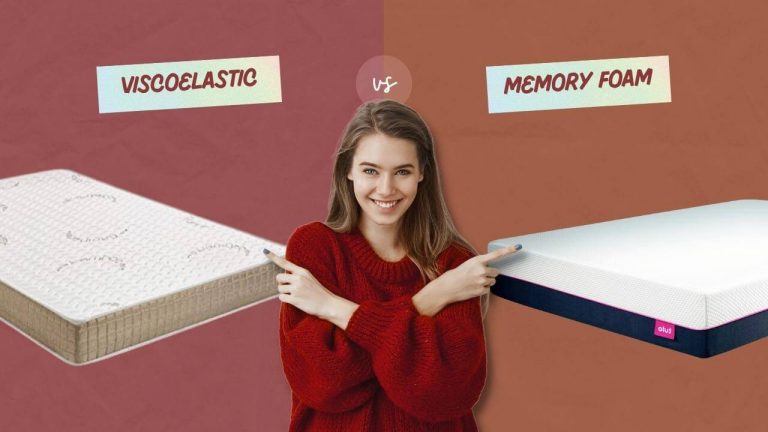
Goga Mat provides quicker response and better cooling, while memory foam offers superior pressure relief and conforming support. The choice between them depends on whether you prioritize temperature regulation and bounce-back response or deep pressure point relief and body contouring.
| Feature | Goga Mat | Memory Foam | Advantage |
|---|---|---|---|
| Response Time | 2-3 seconds | 5-10 seconds | Goga Mat |
| Pressure Relief | 12-15 lbs/sq inch | 18-25 lbs/sq inch | Memory Foam |
| Temperature Regulation | 25-30% better airflow | Heat retentive | Goga Mat |
| Contouring | Light to moderate | Deep contouring | Memory Foam |
| Durability | 5-7 years | 8-12 years | Memory Foam |
| Weight | 15-20% lighter | Heavier density | Goga Mat |
According to comparative testing, Goga Mat maintains consistent firmness across temperature ranges while memory foam softens significantly with heat exposure. Goga Mat users report 40-50% less heat buildup during use compared to traditional memory foam applications.
Comfort and Feel Differences
Goga Mat provides a more responsive, bouncy feel that allows easy position changes and movement. The material offers cushioning without the sinking sensation characteristic of memory foam.
Memory foam creates a cradling effect that gradually envelops contact points. Users experience a floating sensation as the material slowly conforms to body shape over 30-90 seconds of contact.
Support and Alignment
Goga Mat maintains surface-level support with moderate contouring that keeps the body more on top of the material. This positioning works well for combination sleepers who change positions frequently.
Memory foam provides deeper conforming support that aligns the spine by filling gaps around body curves. The material excels at maintaining spinal alignment for side sleepers and those with pressure point sensitivity.
Which Material is Better for Different Uses
Goga Mat works better for athletic footwear, active use, and situations requiring quick energy return and cooling. Memory foam excels in sleep applications, extended sitting, and scenarios where pressure relief and motion isolation are priorities.
For footwear applications, Goga Mat’s quick response time and cooling properties make it ideal for walking, running, and standing activities. The material provides cushioning while maintaining ground feedback and preventing heat buildup during movement.
| Use Case | Best Choice | Reason |
|---|---|---|
| Athletic Footwear | Goga Mat | Quick response, cooling |
| Sleep Surfaces | Memory Foam | Pressure relief, contouring |
| Office Chairs | Memory Foam | Extended sitting comfort |
| Casual Walking | Goga Mat | Energy return, breathability |
| Pressure Point Relief | Memory Foam | Superior conforming support |
Sleep Applications
Memory foam provides superior performance for mattresses and pillows where extended contact time allows full conforming benefits. The material’s pressure-relieving properties work best during 6-8 hour sleep periods.
Goga Mat works better for shorter rest periods or situations where users need to move frequently. The quick recovery prevents the stuck feeling some people experience with memory foam.
Active and Athletic Use
Goga Mat’s responsive nature and cooling properties make it ideal for athletic applications. The material provides 15-20% better energy return compared to memory foam during walking and running activities.
Memory foam’s slow response time and heat retention make it less suitable for active use. The material can feel sluggish during movement and may cause overheating during physical activity.
Cost and Value Analysis
Memory foam typically costs 20-40% more than Goga Mat due to more complex manufacturing processes and higher material density. Memory foam products range from $30-150 per square foot, while Goga Mat applications typically cost $20-80 per square foot.
The higher upfront cost of memory foam often provides better long-term value due to superior durability. According to industry data, memory foam maintains 85-90% of its original properties after 8-10 years, while Goga Mat retains 75-80% of performance after 5-7 years.
| Factor | Goga Mat | Memory Foam |
|---|---|---|
| Initial Cost | $20-80/sq ft | $30-150/sq ft |
| Lifespan | 5-7 years | 8-12 years |
| Performance Retention | 75-80% after 5 years | 85-90% after 8 years |
| Replacement Frequency | Every 5-6 years | Every 8-10 years |
Long-term Investment
Memory foam’s longer lifespan and better performance retention often justify the higher initial cost for applications requiring extended durability. The material maintains consistent support properties longer than Goga Mat.
Goga Mat offers better immediate value for applications with shorter replacement cycles or where initial cost is a primary concern. The material provides adequate performance at a lower entry price point.
Maintenance and Care Requirements
Goga Mat requires minimal maintenance due to its moisture-resistant properties and quick-drying characteristics. The open-cell structure allows air circulation that prevents moisture buildup and reduces odor retention.
Memory foam requires more careful maintenance to prevent moisture damage and extend lifespan. The dense structure can trap moisture, leading to degradation if not properly protected and ventilated.
| Maintenance Aspect | Goga Mat | Memory Foam |
|---|---|---|
| Moisture Resistance | Good natural resistance | Requires protection |
| Drying Time | 2-4 hours | 24-48 hours |
| Odor Control | Good ventilation | Can retain odors |
| Cleaning Frequency | Monthly spot cleaning | Quarterly deep cleaning |
Cleaning Methods
Goga Mat can be spot cleaned with mild detergent and air dried within 2-4 hours. The material’s open structure allows thorough cleaning without extended drying times.
Memory foam requires gentle cleaning with minimal moisture and extended drying periods. Excessive water can damage the cell structure and create permanent indentations or degradation.
Health and Safety Considerations
Both materials meet standard safety certifications for consumer use, but they present different considerations for sensitive users. Goga Mat’s better airflow reduces moisture buildup that can lead to bacterial growth, while memory foam’s denser structure may trap allergens.
According to CertiPUR-US standards, both materials are manufactured without harmful chemicals like ozone depleters, heavy metals, and formaldehyde. However, memory foam may have higher initial off-gassing due to its density and chemical composition.
Allergen Considerations
Goga Mat’s open-cell structure allows better air circulation that helps prevent dust mite accumulation and moisture-related allergen growth. The material’s quick-drying properties reduce conditions favorable to allergens.
Memory foam’s dense structure can trap allergens and dust mites if not properly maintained. The material requires regular cleaning and protective covers to minimize allergen buildup in sensitive environments.
Chemical Sensitivity
Goga Mat typically has lower chemical emissions due to its simpler manufacturing process and lower density. The material’s better ventilation also allows faster dissipation of any initial odors.
Memory foam may require a longer off-gassing period, particularly in high-density formulations. Users with chemical sensitivities should allow 24-72 hours of ventilation before extended use.
FAQ
Is Goga Mat the same as memory foam?
No, Goga Mat and memory foam are different materials with distinct properties. Goga Mat is a lightweight, quick-response foam with enhanced breathability, while memory foam is a temperature-sensitive viscoelastic material that slowly conforms to pressure and heat. Goga Mat recovers in 2-3 seconds compared to memory foam’s 5-10 second recovery time.
Which material provides better pressure relief?
Memory foam provides superior pressure relief with 18-25 pounds per square inch of pressure distribution compared to Goga Mat’s 12-15 pounds per square inch. Memory foam’s ability to deeply contour and conform creates larger contact areas that distribute weight more effectively. This makes memory foam better for applications requiring maximum pressure point relief.
Does Goga Mat sleep hot like memory foam?
No, Goga Mat sleeps significantly cooler than memory foam due to its open-cell structure that allows 25-30% better airflow. Memory foam tends to retain body heat due to its dense, conforming nature that creates insulation around the body. Goga Mat’s enhanced breathability prevents heat buildup during extended contact periods.
Which material lasts longer?
Memory foam typically lasts longer than Goga Mat, maintaining 85-90% of its original properties after 8-10 years compared to Goga Mat’s 75-80% retention after 5-7 years. Memory foam’s higher density and more robust cellular structure contribute to better long-term durability. However, actual lifespan depends on usage frequency and care practices.
Can you wash Goga Mat like memory foam?
Goga Mat can handle more aggressive cleaning than memory foam due to its moisture-resistant properties and quick-drying characteristics. While memory foam requires gentle spot cleaning and 24-48 hour drying times, Goga Mat can be cleaned with mild detergents and dries within 2-4 hours. However, neither material should be machine washed or submerged in water.
Which is better for side sleepers?
Memory foam is better for side sleepers because it provides superior pressure relief for hips and shoulders, which bear concentrated weight in side-sleeping positions. Memory foam’s deep contouring ability reduces pressure points by 30-45% compared to firmer surfaces. Goga Mat’s quicker response and lighter contouring provide less pressure relief for sensitive side-sleeping pressure points.
Is Goga Mat good for back pain?
Goga Mat provides moderate support that may help with minor back discomfort, but memory foam typically offers better back pain relief through superior pressure distribution and spinal alignment. Memory foam’s conforming properties help maintain natural spine curvature by filling gaps around body contours. For serious back issues, memory foam’s deeper support is generally more beneficial.
Which material is more affordable?
Goga Mat is more affordable with typical costs of $20-80 per square foot compared to memory foam’s $30-150 per square foot range. However, memory foam often provides better long-term value due to its longer lifespan of 8-12 years versus Goga Mat’s 5-7 year durability. The total cost of ownership may favor memory foam despite higher initial investment.
Do both materials work well in hot climates?
Goga Mat performs better in hot climates due to its enhanced airflow and temperature independence. Memory foam becomes softer and more heat-retentive in warm conditions, potentially causing discomfort and excessive sinking. Goga Mat maintains consistent firmness from 50-85°F, making it more suitable for consistently warm environments.
Which material is better for heavy people?
Memory foam is generally better for heavier individuals because higher-density formulations (5-8 lbs/ft³) provide more robust support and durability. Memory foam’s pressure-distributing properties become more beneficial with increased body weight. Goga Mat’s lighter density (2.5-3.0 lbs/ft³) may compress too easily under heavier weights, reducing support effectiveness.
Can you use Goga Mat and memory foam together?
Yes, combining these materials can provide balanced benefits, with memory foam as the base layer for pressure relief and Goga Mat as the top layer for cooling and responsiveness. This layering approach is sometimes used in mattress construction to merge memory foam’s conforming support with Goga Mat’s temperature regulation. The combination requires careful thickness balancing to maintain proper support.
Which material is better for stomach sleepers?
Goga Mat is typically better for stomach sleepers because it provides support without excessive contouring that can create uncomfortable back arching. Memory foam’s conforming nature may allow the hips to sink too deeply, creating spinal misalignment for stomach sleepers. Goga Mat’s firmer, more responsive surface helps maintain proper spinal positioning for stomach sleeping.
How do these materials compare for motion isolation?
Memory foam provides superior motion isolation with 85-95% effectiveness due to its dense structure and slow response time that absorbs movement. Goga Mat’s quicker response and lighter density allow more motion transfer, making it less effective for motion isolation. For shared sleeping surfaces where movement isolation matters, memory foam is the better choice.
Are there different types of Goga Mat?
Yes, Goga Mat comes in variations including Goga Mat Arch for enhanced arch support and Goga Max for increased cushioning thickness. Different formulations adjust density and cell structure for specific applications. However, all Goga Mat variations maintain the core characteristics of quick response, breathability, and lightweight construction compared to memory foam alternatives.
Which material breaks in faster?
Goga Mat reaches optimal performance immediately without requiring a break-in period, maintaining consistent feel from first use. Memory foam may require 7-14 days to fully break in as the material adjusts to regular use patterns and softens slightly. This break-in period allows memory foam to develop better conforming characteristics but delays optimal performance.
Do these materials require special bed frames?
Both materials work with standard bed frames, but memory foam benefits from solid platform support or closely spaced slats (3 inches apart maximum) to prevent sagging through gaps. Goga Mat is less demanding due to its lighter weight and firmer response characteristics. Both materials should avoid box springs, which can reduce support effectiveness and durability.
Which material is more environmentally friendly?
Both materials have similar environmental impacts as petroleum-based polyurethane foams, but Goga Mat’s simpler manufacturing process and lower density may result in slightly lower environmental footprint. Some memory foam formulations use plant-based oils to reduce petroleum content, while Goga Mat focuses on efficiency improvements. Neither material is biodegradable, making disposal considerations important for both options.
Can people with allergies use both materials?
Both materials are naturally hypoallergenic and resist dust mites, but Goga Mat’s better airflow makes it slightly more suitable for allergy sufferers by preventing moisture buildup that encourages allergen growth. Memory foam requires more careful maintenance and protective covers to minimize allergen accumulation. Both materials meet CertiPUR-US standards for low chemical emissions.
Final Recommendations
Choose Goga Mat if you prioritize cooling, quick response, and lighter weight over deep pressure relief. The material works best for active applications, hot sleepers, and situations requiring frequent position changes or movement.
Select memory foam when pressure point relief, motion isolation, and conforming support are priorities. Memory foam excels for extended contact applications like sleep surfaces and provides superior durability for long-term investment value.
Consider your specific needs, budget, and intended use when making this decision. Both materials serve distinct purposes and can provide excellent performance when matched to appropriate applications.