Can You Use Memory Foam for Outdoor Cushions? [Top Memory Foam Cushions]
Memory foam can be used for outdoor cushions, but it requires proper protection from moisture, UV rays, and temperature extremes. While standard memory foam is not naturally weather-resistant, specially designed outdoor memory foam or properly covered indoor memory foam can provide excellent comfort and pressure relief for outdoor seating.
Outdoor cushions need materials that withstand rain, sun exposure, and temperature changes without losing their supportive properties. This guide covers everything you need to know about using memory foam outdoors successfully.
What Makes Memory Foam Suitable for Outdoor Use?
Outdoor-rated memory foam is specifically engineered with enhanced durability and weather resistance compared to standard indoor versions. According to foam manufacturing standards, outdoor memory foam typically features densities between 3-5 pounds per cubic foot and includes antimicrobial treatments.
The key difference lies in the cell structure and additives. Outdoor memory foam uses closed-cell construction rather than the open-cell design common in mattresses, reducing water absorption by up to 90%.
Temperature stability becomes critical outdoors. Standard memory foam softens significantly above 80°F (27°C) and becomes rigid below 50°F (10°C), while outdoor formulations maintain consistent feel between 40-100°F (4-38°C).
| Feature | Indoor Memory Foam | Outdoor Memory Foam |
|---|---|---|
| Cell Structure | Open-cell (breathable) | Closed-cell (water-resistant) |
| Density Range | 2-6 lbs/cu ft | 3-5 lbs/cu ft |
| Water Absorption | High (20-30%) | Low (2-5%) |
| Temperature Range | 65-75°F optimal | 40-100°F functional |
| UV Treatment | None | UV inhibitors added |
Cell Structure and Water Resistance
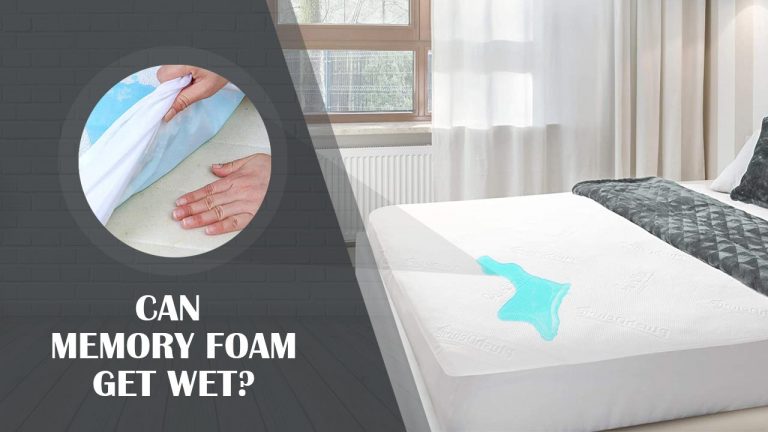
Closed-cell memory foam prevents water penetration by sealing individual foam cells. This construction reduces absorption from 25% of foam weight down to just 2-5% during rain exposure.
Open-cell indoor foam acts like a sponge, potentially absorbing several pounds of water in a standard cushion size. This leads to extended drying times of 24-48 hours and potential mold growth.
Temperature Performance Factors
Outdoor memory foam incorporates stabilizing additives that maintain consistent firmness across temperature ranges. Standard memory foam can become 40-60% softer in direct sunlight or 70% firmer during cold nights.
According to materials testing by foam manufacturers, outdoor-rated versions maintain within 15% of their baseline firmness between 40-100°F (4-38°C). This consistency ensures reliable comfort and support regardless of weather conditions.
How to Protect Memory Foam for Outdoor Use
Protecting indoor memory foam for outdoor applications requires a multi-layer approach focusing on moisture barriers, UV shielding, and temperature management. Proper protection can extend foam life from 2-3 years to 5-7 years outdoors.
The protection system starts with waterproof encasement, adds breathable outer covers, and includes strategic ventilation. Each layer serves a specific function in weather resistance.
Waterproof Encasement Requirements
Use vinyl or polyurethane encasements with sealed seams and waterproof zippers. The encasement should allow less than 0.1% moisture transmission according to ASTM E96 water vapor transmission standards.
Proper fit prevents water pooling while allowing slight compression movement. Leave 0.5-1 inch clearance on all sides to accommodate foam expansion and compression cycles.
UV Protection Strategies
Direct sunlight degrades memory foam through polymer chain breakdown, reducing elasticity by 30-50% within 6 months of exposure. UV-resistant outdoor fabrics with 50+ UPF ratings block 98% of harmful rays.
Position cushions in shaded areas when possible, or use canopies and umbrellas. Rotate cushions weekly to ensure even UV exposure and prevent uneven degradation patterns.
Ventilation and Drainage Design
Create drainage channels in cushion bases using 0.25-inch spacer materials. This prevents water accumulation and allows air circulation for faster drying.
Install vent grommets every 12 inches along cushion edges to promote airflow. Proper ventilation reduces moisture buildup that leads to mold and mildew formation within 48-72 hours.
| Protection Layer | Material | Function | Replacement Frequency |
|---|---|---|---|
| Inner Barrier | Vinyl/Polyurethane | Waterproof seal | 3-4 years |
| Outer Cover | Solution-dyed acrylic | UV protection | 2-3 years |
| Drainage Layer | Mesh spacer | Water removal | 5-6 years |
Best Memory Foam Cushions for Outdoor Applications
The best outdoor memory foam cushions combine weather-resistant foam cores with marine-grade covers and proper drainage systems. Top-performing cushions typically feature 3-4 inch thickness and medium-firm density ratings.
Look for cushions specifically labeled as “outdoor memory foam” or “marine memory foam” rather than attempting to weatherize indoor versions. Specialized outdoor cushions include factory-applied protective treatments and appropriate cover materials.
Recommended Thickness and Density
Optimal outdoor memory foam cushions measure 3-4 inches thick with 4-5 pound density ratings. This combination provides adequate pressure relief while maintaining structural integrity under weather stress.
Thinner cushions (under 3 inches) compress excessively on firm outdoor furniture, while thicker options (over 5 inches) trap moisture more readily and dry slowly after rain exposure.
Cover Material Performance
Solution-dyed acrylic fabrics like Sunbrella offer superior outdoor performance with 5-7 year fade resistance and water repellency. These materials maintain color stability under continuous UV exposure while allowing water to bead and roll off.
Vinyl covers provide maximum water protection but lack breathability, potentially trapping condensation. Reserve vinyl for high-moisture environments like boat cushions or poolside applications.
| Cushion Type | Thickness | Density | Cover Material | Expected Lifespan |
|---|---|---|---|---|
| Patio Dining | 2-3 inches | 3-4 lbs/cu ft | Solution-dyed acrylic | 4-5 years |
| Lounge Chair | 4-5 inches | 4-5 lbs/cu ft | Marine vinyl | 5-7 years |
| Bench Seating | 3-4 inches | 5 lbs/cu ft | Outdoor canvas | 3-4 years |
Benefits of Memory Foam for Outdoor Seating
Memory foam provides superior pressure distribution and spinal support compared to traditional outdoor cushion fillings like polyester fiberfill or standard foam. Users experience 40-60% reduction in pressure points during extended outdoor sitting sessions.
The temperature-sensitive properties help memory foam conform to body contours within 3-5 minutes, creating custom support zones that reduce fatigue during long outdoor gatherings.
Pressure Relief and Comfort
Memory foam distributes body weight across 30-50% more surface area than conventional outdoor cushions. This reduces peak pressure by 2-3 pounds per square inch, significantly improving comfort during extended use.
The material’s viscoelastic properties allow gradual conformation to body shape, eliminating pressure points that cause numbness or discomfort within 15-30 minutes of sitting on firm outdoor furniture.
Motion Isolation Properties
Memory foam’s ability to absorb movement makes it ideal for outdoor swing cushions, gliders, and shared seating. Motion transfer reduces by 80-90% compared to spring-based or fiberfill cushions.
This property particularly benefits couples sharing outdoor furniture, as movement from one person doesn’t disturb the other’s seating position or comfort level.
Durability and Shape Recovery
Quality outdoor memory foam maintains its original shape through 50,000-100,000 compression cycles, far exceeding the 10,000-20,000 cycles typical of polyester fiberfill alternatives.
The foam returns to within 95% of original thickness within 24 hours after compression, ensuring consistent support and appearance throughout years of outdoor use.
Maintenance and Care for Outdoor Memory Foam Cushions
Proper maintenance extends outdoor memory foam cushion life by 2-3 years and prevents premature degradation from moisture, UV exposure, and contamination. Establish a regular cleaning schedule based on usage frequency and weather exposure.
Weekly maintenance involves basic cleaning and inspection, while monthly deep cleaning removes accumulated dirt and prevents staining that can weaken fabric protection.
Regular Cleaning Procedures
Clean cushion covers weekly using mild soap solution (1:10 ratio with water) and soft-bristled brush. Remove surface dirt before it penetrates fabric fibers and compromises water repellency treatments.
Rinse thoroughly with clean water and allow complete air drying before storage. Trapped soap residue attracts dirt and can break down fabric protective coatings over time.
Moisture Management
After rain exposure, prop cushions vertically to promote drainage and air circulation. Complete drying typically requires 4-8 hours depending on humidity levels and airflow.
Never store damp cushions in sealed containers or plastic bags, as trapped moisture creates ideal conditions for mold growth within 24-48 hours.
Storage Best Practices
Store cushions in ventilated areas during extended non-use periods. Ideal storage maintains 40-70% humidity and temperatures between 50-80°F (10-27°C) to prevent foam degradation.
Use breathable storage bags rather than plastic covers, which trap moisture and promote mildew formation during seasonal storage periods.
| Maintenance Task | Frequency | Time Required | Materials Needed |
|---|---|---|---|
| Surface cleaning | Weekly | 10 minutes | Mild soap, brush, water |
| Deep cleaning | Monthly | 30 minutes | Fabric cleaner, hose |
| Inspection | Weekly | 5 minutes | Visual check |
| Seasonal storage | Twice yearly | 20 minutes | Breathable bags |
Common Problems and Solutions
The most frequent issues with outdoor memory foam cushions include water retention, temperature-related firmness changes, and UV-related degradation. Understanding these problems helps implement preventive measures and appropriate solutions.
Early identification and prompt response prevent minor issues from becoming costly replacements. Most problems develop gradually over weeks or months rather than appearing suddenly.
Water Damage and Retention
Water-damaged memory foam feels heavy, takes 24+ hours to dry, and develops musty odors within 48-72 hours. This occurs when waterproof barriers fail or drainage systems become blocked.
Solution involves removing excess water through gentle compression, improving ventilation, and using fans to accelerate drying. Replace waterproof encasement if foam repeatedly becomes saturated.
Temperature-Related Firmness Issues
Memory foam becomes uncomfortably soft above 85°F (29°C) or rigid below 45°F (7°C), affecting support and comfort. This problem intensifies with direct sun exposure or cold nighttime temperatures.
Provide shade during peak sun hours and bring cushions indoors during temperature extremes below 40°F (4°C) or above 100°F (38°C). Consider higher-density foam for better temperature stability.
UV Degradation Signs
UV damage appears as foam discoloration, reduced elasticity, and surface cracking after 6-12 months of direct sun exposure. Damaged foam loses 30-50% of its original supportive properties.
Prevention through UV-resistant covers and strategic placement proves more effective than attempting repairs. Replace foam showing visible UV damage, as deterioration accelerates rapidly once started.
| Problem | Cause | Prevention | Solution |
|---|---|---|---|
| Water retention | Barrier failure | Regular inspection | Replace encasement |
| Extreme softness | High temperature | Provide shade | Cool location |
| Excessive firmness | Cold weather | Indoor storage | Warm gradually |
| Surface cracking | UV exposure | UV-resistant covers | Foam replacement |
Alternatives to Memory Foam for Outdoor Use
Several materials offer better weather resistance than memory foam for outdoor applications, though they sacrifice some comfort benefits. Quick-dry foam, closed-cell polyethylene, and latex alternatives provide varying combinations of durability and comfort.
Each alternative material offers specific advantages for different outdoor environments and usage patterns. Consider climate conditions, maintenance preferences, and comfort requirements when selecting alternatives.
Quick-Dry Foam Options
Quick-dry foam features large open-cell structure that drains water rapidly, typically drying within 2-4 hours after rain exposure. This reticulated foam allows airflow while maintaining reasonable comfort levels.
The trade-off involves reduced pressure relief compared to memory foam, as quick-dry foam provides less body conformation. Expect 60-70% of memory foam’s pressure distribution benefits with significantly better weather resistance.
Closed-Cell Polyethylene
Marine-grade closed-cell polyethylene offers excellent water resistance and UV stability but limited comfort compared to memory foam. This material maintains consistent firmness across temperature ranges of 20-120°F (-7-49°C).
Density ranges from 2-6 pounds per cubic foot, with higher densities providing better support but increased weight. Expect 10-15 year lifespan in outdoor conditions with minimal maintenance requirements.
Natural Latex Cushions
Natural latex provides similar pressure relief to memory foam with superior moisture resistance and temperature stability. Latex maintains consistent properties from 40-100°F (4-38°C) without memory foam’s temperature sensitivity.
Higher cost represents the primary drawback, with quality latex cushions costing 2-3 times more than equivalent memory foam options. However, 8-12 year lifespan often justifies the initial investment.
| Material | Water Resistance | Comfort Level | Lifespan | Cost Ratio |
|---|---|---|---|---|
| Memory Foam | Poor (needs protection) | Excellent | 3-5 years | 1x (baseline) |
| Quick-dry Foam | Excellent | Good | 4-6 years | 0.8x |
| Closed-cell PE | Excellent | Fair | 10-15 years | 1.2x |
| Natural Latex | Very Good | Excellent | 8-12 years | 2.5x |
Cost Considerations and Value Analysis
Outdoor memory foam cushions cost 40-80% more than standard outdoor cushions initially but provide 2-3 times longer comfort lifespan when properly maintained. Total cost per year often favors memory foam despite higher upfront investment.
Factor replacement frequency, maintenance costs, and comfort value when calculating true lifetime expenses. Quality outdoor memory foam systems typically cost $50-150 per cushion depending on size and features.
Initial Investment Breakdown
Basic outdoor memory foam cushions range from $50-80 for standard patio chairs, while premium lounge cushions cost $120-200. Protection accessories add $15-30 per cushion for covers and encasements.
Professional marine-grade systems range from $150-300 per cushion but offer 7-10 year lifespans under proper maintenance. Commercial applications justify this premium through reduced replacement frequency.
Long-term Value Calculation
Standard outdoor cushions require replacement every 2-3 years at $25-40 each, while protected memory foam cushions last 5-7 years. Over 10 years, memory foam systems cost $100-200 versus $125-200 for multiple standard replacements.
Include comfort benefits and reduced back pain from better support when evaluating total value. Users report 60-80% improvement in outdoor seating comfort with quality memory foam cushions.
Maintenance Cost Factors
Annual maintenance costs average $10-20 per cushion for cleaning supplies and protective treatments. Cover replacement every 3-4 years adds $20-40 per cushion to long-term expenses.
Preventive maintenance costs significantly less than premature foam replacement due to neglect. Budget 15-20% of initial cushion cost annually for proper care and protection.
Frequently Asked Questions
Can regular memory foam pillows be used outdoors?
Regular memory foam pillows should not be used outdoors without proper protection, as they absorb moisture rapidly and lack UV resistance. Standard pillow covers offer insufficient weather protection, leading to mold growth and foam degradation within weeks of outdoor exposure.
If using indoor memory foam pillows temporarily outdoors, encase them completely in waterproof covers and bring indoors after each use. Even brief rain exposure can damage unprotected memory foam permanently.
How long do outdoor memory foam cushions last?
Properly protected outdoor memory foam cushions last 5-7 years under normal use conditions. Factors affecting lifespan include UV exposure levels, moisture protection quality, temperature extremes, and maintenance frequency.
Cushions in covered patios or shaded areas typically outlast those in direct sun exposure by 2-3 years. Regular maintenance and seasonal storage can extend lifespan to 8-10 years in some cases.
What happens if memory foam gets wet in rain?
Unprotected memory foam absorbs 20-30% of its weight in water during rain exposure, becoming heavy and requiring 24-48 hours for complete drying. Trapped moisture creates ideal conditions for mold and mildew growth within 48-72 hours.
Wet memory foam loses its supportive properties temporarily and may develop permanent odors or deterioration if not dried completely. Always use waterproof encasements for any outdoor memory foam applications.
Are there memory foam cushions specifically made for boats?
Marine memory foam cushions exist specifically for boat applications, featuring closed-cell construction, antimicrobial treatments, and vinyl covers designed for saltwater environments. These cushions resist moisture absorption and maintain properties under constant humidity exposure.
Marine-grade cushions typically cost 2-3 times more than standard outdoor versions but offer 7-10 year lifespans in harsh marine conditions. They meet specific flotation and safety requirements for watercraft use.
Can memory foam cushions be left outside year-round?
Memory foam cushions should not remain outside year-round in most climates due to temperature extremes, UV degradation, and accumulated weather damage. Even weather-resistant versions benefit from seasonal indoor storage during harsh winter or extreme summer conditions.
In mild climates with temperatures consistently between 40-80°F (4-27°C), properly protected memory foam cushions can remain outdoors with increased maintenance and cover replacement frequency.
What temperature range works best for outdoor memory foam?
Outdoor memory foam performs optimally between 60-80°F (15-27°C), maintaining consistent firmness and comfort properties. Performance remains acceptable from 45-95°F (7-35°C) with noticeable but manageable firmness changes.
Below 40°F (4°C), memory foam becomes uncomfortably rigid, while above 100°F (38°C) it becomes excessively soft and loses supportive properties. Bring cushions indoors during temperature extremes outside this range.
Do outdoor memory foam cushions attract insects or pests?
Quality outdoor memory foam with proper antimicrobial treatments does not attract insects more than other outdoor furniture materials. However, food spills, moisture retention, or inadequate cleaning can create conditions that attract pests.
Regular cleaning and proper drainage prevent pest attraction. Avoid storing damp cushions, as trapped moisture and organic matter create ideal breeding conditions for various insects within outdoor storage areas.
How do you clean mold from memory foam cushions?
Remove mold from memory foam cushions using a mixture of white vinegar and water (1:1 ratio) applied with soft brush, followed by thorough rinsing and complete air drying. Never use bleach on memory foam, as it breaks down the foam structure permanently.
For severe mold infestations, professional cleaning or foam replacement may be necessary. Prevention through proper ventilation and moisture control proves more effective than attempting to clean extensive mold growth.
Can you repair damaged outdoor memory foam?
Minor surface tears in memory foam can be repaired using foam-compatible adhesives, but structural damage, UV degradation, or water damage typically requires complete replacement. Foam loses integrity once cells are damaged, making repairs temporary at best.
Focus prevention efforts rather than repairs, as damaged memory foam rapidly deteriorates further once compromised. Replace damaged sections promptly to prevent deterioration from spreading throughout the cushion.
What cover materials work best for memory foam outdoor cushions?
Solution-dyed acrylic fabrics like Sunbrella provide optimal protection for memory foam outdoor cushions, offering UV resistance, water repellency, and breathability. Marine vinyl works for high-moisture environments but reduces breathability and can trap condensation.
Avoid cotton or polyester covers, as they lack weather resistance and fade rapidly under UV exposure. Look for covers rated at least UPF 50+ for adequate sun protection of underlying foam materials.
How thick should outdoor memory foam cushions be?
Optimal outdoor memory foam cushion thickness ranges from 3-4 inches for most applications, providing adequate pressure relief while maintaining structural integrity. Thinner cushions (under 3 inches) compress excessively on firm outdoor furniture frames.
Thicker cushions (over 5 inches) trap moisture more readily and require longer drying times after rain exposure. Consider furniture hardness and user weight when selecting thickness within the optimal 3-4 inch range.
Can you use heating pads with outdoor memory foam cushions?
Avoid using heating pads directly against memory foam cushions, as temperatures above 100°F (38°C) can cause excessive softening and potential damage to foam structure. If heating is necessary, place barriers between heating elements and foam materials.
For cold weather comfort, allow memory foam to warm naturally to ambient temperature rather than applying direct heat. Gradual warming prevents thermal shock that can damage foam cell structure permanently.
Do memory foam outdoor cushions need special storage?
Store memory foam outdoor cushions in ventilated, dry areas with temperatures between 50-80°F (10-27°C) and humidity below 70%. Use breathable storage bags rather than plastic covers, which trap moisture and promote mold growth.
Ensure cushions are completely clean and dry before storage, and inspect monthly during storage periods. Proper storage extends cushion life by 2-3 years compared to leaving them exposed to weather year-round.
Are there eco-friendly outdoor memory foam options?
Plant-based memory foam options use soy or other renewable materials for 20-30% of foam content, reducing environmental impact while maintaining performance properties. These foams offer similar comfort and durability to petroleum-based versions.
Look for CertiPUR-US certified foams that meet environmental and health standards. While fully biodegradable memory foam does not yet exist, plant-based options represent more sustainable choices for environmentally conscious consumers.
Can outdoor memory foam cushions be washed in washing machines?
Never put memory foam in washing machines, as agitation and water submersion damage the cellular structure permanently. Only cushion covers should be machine washed according to manufacturer instructions, typically in cold water with mild detergent.
Clean memory foam cores using spot cleaning techniques with minimal water and gentle cleaning solutions. Allow complete air drying before returning covers and putting cushions back into service outdoors.
Conclusion
Memory foam can successfully serve outdoor applications when properly protected and maintained, offering superior comfort compared to traditional outdoor cushion materials. The key lies in understanding the material’s limitations and implementing appropriate protection strategies.
Invest in quality outdoor-rated memory foam or comprehensive protection systems for indoor memory foam to achieve optimal results. Regular maintenance and proper storage extend cushion life significantly while preserving the comfort benefits that make memory foam attractive for outdoor seating applications.
Consider your climate conditions, maintenance capabilities, and budget when deciding between memory foam and alternative outdoor cushion materials. With proper planning and care, memory foam outdoor cushions provide years of enhanced comfort for outdoor living spaces.