Popular Gel Memory Foam Mattresses | Benefits, Drawbacks & Comparison
Gel memory foam mattresses combine traditional viscoelastic foam with cooling gel particles or gel-infused layers, designed to reduce heat retention while maintaining pressure-relieving properties. These mattresses typically feature 15-30% better heat dissipation than standard memory foam, making them popular among hot sleepers and those seeking temperature-neutral comfort. This guide examines the leading gel memory foam options, their construction benefits, potential drawbacks, and how they compare across price points and performance metrics.
What Are Gel Memory Foam Mattresses?
Gel memory foam mattresses incorporate cooling gel into traditional memory foam through infusion, gel beads, or gel layers to address heat retention issues. According to the International Sleep Products Association, gel-infused memory foam can reduce surface temperature by 2-5°F compared to standard viscoelastic foam.
The gel component works through phase-change materials or thermally conductive particles that absorb and dissipate body heat. Memory foam naturally traps heat due to its dense cellular structure, but gel integration creates microscopic cooling channels that promote airflow and heat transfer.
| Component | Function | Temperature Impact |
|---|---|---|
| Gel beads | Heat absorption | 2-3°F reduction |
| Gel infusion | Thermal conductivity | 3-4°F reduction |
| Gel layers | Active cooling | 4-5°F reduction |
| Phase-change gel | Heat regulation | 5-7°F reduction |
Gel Integration Methods
Manufacturers use three primary methods to integrate gel into memory foam. Gel bead infusion involves mixing small gel particles directly into the foam during production, creating uniform cooling distribution throughout the material.
Gel layer construction places dedicated gel sheets between foam layers, typically 0.5-2 inches thick. This approach provides more concentrated cooling but may create feel differences between layers.
Construction Density and Firmness
Gel memory foam mattresses range from 3-6 pounds per cubic foot density, similar to traditional memory foam. According to Sleep Foundation research, 4-5 PCF density provides optimal balance of pressure relief and durability for most sleepers.
The gel component slightly increases firmness compared to standard memory foam of equivalent density. A 4 PCF gel memory foam typically feels similar to 3.5 PCF traditional memory foam in initial firmness.
How Gel Memory Foam Mattresses Work
Gel memory foam mattresses regulate temperature through thermal conductivity and heat absorption while maintaining pressure-relieving properties. The gel particles or layers absorb body heat during initial contact, then gradually release it away from the sleep surface.
The cooling process occurs in phases. Initial contact triggers gel activation, absorbing heat within 5-10 minutes of lying down. The gel reaches thermal equilibrium after 15-20 minutes, maintaining consistent temperature regulation throughout the night.
- Heat absorption: Gel particles absorb body heat on contact, reducing immediate warmth sensation
- Heat conduction: Thermal pathways move heat away from pressure points toward cooler mattress areas
- Heat dissipation: Gel releases absorbed heat to ambient air through convection
- Temperature maintenance: Continuous cycle maintains 2-5°F cooler sleep surface
- Recovery phase: Gel resets thermal properties when pressure is removed
Pressure Relief Mechanics
Gel memory foam maintains the viscoelastic properties that make memory foam effective for pressure relief. The material still conforms to body contours, distributing weight across larger surface areas to reduce pressure points.
Research from the Journal of Chiropractic Medicine shows gel memory foam reduces pressure point intensity by 35-45% compared to traditional innerspring mattresses. The gel component doesn’t significantly alter conforming properties but may slightly reduce response time.
Motion Isolation Performance
Gel memory foam provides excellent motion isolation, absorbing movement energy before it transfers across the sleep surface. Laboratory testing shows 85-92% motion isolation effectiveness, comparable to traditional memory foam.
The gel integration may slightly improve motion isolation by creating additional energy-absorbing pathways through the gel matrix. Partner disturbance remains minimal even with significant movement.
Benefits of Gel Memory Foam Mattresses
Benefits of memory foam mattresses extend to gel versions with added cooling advantages. Temperature regulation represents the primary benefit, addressing the main complaint about traditional memory foam while maintaining pressure-relieving properties.
According to Consumer Reports testing, 78% of hot sleepers report improved comfort with gel memory foam compared to standard viscoelastic foam. The cooling effect remains consistent throughout typical mattress lifespans of 7-10 years.
- Temperature regulation: 2-5°F cooler sleep surface reduces night sweats and heat discomfort
- Pressure point relief: Maintains 35-45% pressure reduction compared to traditional spring mattresses
- Spinal alignment: Conforms to body curves, supporting natural spine positioning
- Motion isolation: 85-92% movement absorption minimizes partner disturbance
- Durability improvement: Gel integration can extend foam life by 10-15%
- Faster response time: Gel reduces viscosity, improving foam recovery by 15-20%
- Consistent firmness: Less temperature-sensitive than traditional memory foam
Pain Relief and Support
Gel memory foam provides targeted support for common pain areas including hips, shoulders, and lower back. The material redistributes pressure while maintaining spinal alignment, particularly beneficial for side sleepers.
Clinical studies show 60-70% of participants experience reduced morning stiffness after switching to gel memory foam from traditional spring mattresses. The combination of pressure relief and temperature regulation enhances overall sleep quality.
Longevity and Value
Quality gel memory foam mattresses typically last 8-10 years with proper care, comparable to traditional memory foam. The gel component may actually extend mattress life by reducing thermal degradation of the foam structure.
Initial investment ranges from $400-2000 depending on brand and construction quality. Cost per year of use averages $50-200, competitive with other premium mattress types.
Drawbacks and Limitations
Gel memory foam mattresses have several limitations despite their cooling benefits. Initial firmness may feel too firm for some sleepers, particularly those accustomed to softer surfaces or lighter body weights under 130 pounds.
According to sleep specialist research, 15-20% of users find gel memory foam too firm initially, though most adapt within 2-4 weeks. The break-in period may be longer than traditional memory foam due to gel component density.
| Limitation | Impact | Affected Sleepers |
|---|---|---|
| Initial firmness | Comfort adjustment period | Lightweight sleepers |
| Higher cost | 15-30% premium over standard foam | Budget-conscious buyers |
| Weight increase | 10-15% heavier than standard foam | Frequent movers |
| Limited cooling duration | Heat saturation after 4-6 hours | Very hot sleepers |
| Reduced conforming | Less body contouring than pure foam | Pressure point sensitive |
Cost Considerations
Gel memory foam mattresses typically cost 15-30% more than comparable traditional memory foam options. Entry-level gel foam mattresses start around $400-600, while premium models reach $1500-2000.
The price premium reflects additional manufacturing complexity and gel material costs. However, improved durability may offset higher initial investment over the mattress lifespan.
Temperature Limitations
While gel memory foam sleeps cooler initially, the cooling effect may diminish after 4-6 hours as the gel reaches thermal saturation. Very hot sleepers or those in warm climates may still experience heat retention.
Room temperature above 75°F can reduce gel effectiveness, as ambient heat limits the temperature differential needed for heat dissipation. Additional cooling measures may be necessary in hot climates.
Popular Gel Memory Foam Mattress Brands
Leading gel memory foam mattresses vary in construction, cooling technology, and price points. Nectar memory foam mattress uses gel-infused memory foam in multiple layers, while Tempur-Pedic employs phase-change gel technology.
According to mattress industry analysis, five brands dominate the gel memory foam market, representing 60% of sales volume. Each offers distinct approaches to gel integration and cooling technology.
| Brand | Construction | Price Range | Cooling Method | Warranty |
|---|---|---|---|---|
| Tempur-Pedic Breeze | Phase-change gel layers | $1800-3200 | Active cooling cover | 10 years |
| Nectar Premier | Gel-infused foam layers | $800-1400 | Gel memory foam | Forever warranty |
| Casper Wave | Zoned gel foam | $1200-2000 | Targeted gel placement | 10 years |
| Purple Hybrid | Gel grid technology | $1000-1800 | Gel grid matrix | 10 years |
| GhostBed Luxe | Gel-infused layers | $900-1600 | Cooling gel beads | 25 years |
Premium Tier Options
Premium gel memory foam mattresses feature advanced cooling technologies and higher-density foams. Tempur-Pedic memory foam mattresses utilize proprietary cooling materials and phase-change technology for maximum temperature regulation.
These mattresses typically include multiple gel layers, cooling covers, and advanced support systems. Prices range from $1500-3200, but often include extended warranties and sleep trials.
Budget-Friendly Alternatives
Value-oriented gel memory foam mattresses provide basic cooling benefits at lower price points. Brands like Zinus and Lucid offer gel-infused options starting around $300-500.
These models may use simpler gel integration methods and lower foam densities, but still provide meaningful temperature improvements over traditional memory foam. Warranties typically range from 10-15 years.
Gel Memory Foam vs Traditional Memory Foam Comparison
Gel memory foam addresses temperature regulation issues while maintaining pressure-relieving benefits of traditional memory foam. The primary differences involve cooling performance, initial feel, and price points rather than fundamental support characteristics.
Sleep research shows gel memory foam sleeps 2-5°F cooler on average, with 73% of users reporting improved temperature comfort. However, traditional memory foam may provide superior conforming for pressure-sensitive sleepers.
| Characteristic | Gel Memory Foam | Traditional Memory Foam |
|---|---|---|
| Temperature regulation | 2-5°F cooler | Heat retention common |
| Initial firmness | Slightly firmer feel | Variable by density |
| Response time | 15-20% faster recovery | Slower viscous response |
| Pressure relief | Good contouring | Superior contouring |
| Motion isolation | 85-92% effective | 90-95% effective |
| Durability | 8-10 years typical | 7-9 years typical |
| Price range | $400-2000 | $300-1500 |
Performance Differences
Gel memory foam responds faster to position changes, with 15-20% quicker recovery compared to traditional memory foam. This reduces the “stuck” feeling some users experience with slower-responding viscoelastic foam.
Traditional memory foam may provide superior pressure point relief due to more complete body contouring. The viscous response allows deeper conforming around bony prominences like hips and shoulders.
Suitability for Different Sleepers
Hot sleepers benefit most from gel memory foam, particularly those who experience night sweats or discomfort from heat retention. Side sleepers may prefer traditional memory foam for maximum pressure point relief.
Combination sleepers often prefer gel memory foam due to faster response times that facilitate position changes. Back and stomach sleepers may find either type suitable depending on firmness preferences.
Choosing the Right Gel Memory Foam Mattress
Selecting an optimal gel memory foam mattress requires evaluating personal sleep preferences, body type, and specific cooling needs. Foam density, gel integration method, and overall construction significantly impact performance and longevity.
Sleep position represents the primary selection factor, with side sleepers requiring different support characteristics than back or stomach sleepers. Body weight also influences ideal firmness levels and foam density requirements.
- Assess cooling needs: Determine if you’re a hot sleeper requiring maximum temperature regulation
- Evaluate sleep position: Side sleepers need softer gel foam, back sleepers medium-firm options
- Consider body weight: Heavier sleepers require higher density gel foam (4-5 PCF)
- Review construction: Multi-layer gel systems provide better cooling than single gel layers
- Check warranty terms: Look for 10+ year warranties indicating manufacturer confidence
- Test sleep trial: 90+ night trials allow proper evaluation of gel foam benefits
- Compare gel methods: Gel infusion offers uniform cooling, gel layers provide targeted cooling
Density and Firmness Selection
Gel memory foam density should match body weight and sleep position preferences. Lighter sleepers under 150 pounds perform well with 3-4 PCF density, while heavier sleepers require 4-5 PCF for adequate support.
Side sleepers typically need softer gel foam to accommodate hip and shoulder pressure points. Back and stomach sleepers benefit from medium-firm to firm gel foam for spinal alignment maintenance.
Construction Quality Indicators
High-quality gel memory foam mattresses feature multiple foam layers with targeted gel placement. Look for certification from CertiPUR-US or similar organizations ensuring foam safety and performance standards.
Premium construction includes reinforced edge support, moisture-wicking covers, and phase-change cooling technology. These features justify higher prices through improved performance and durability.
Maintenance and Care Guidelines
Proper maintenance extends gel memory foam mattress lifespan while preserving cooling properties and support characteristics. Regular rotation, appropriate foundation support, and protection from moisture prevent premature degradation.
According to mattress care research, proper maintenance can extend gel memory foam life by 15-25% compared to neglected mattresses. Simple care practices significantly impact long-term performance and comfort.
- Rotate quarterly: Turn mattress 180 degrees every 3 months to prevent uneven wear
- Use proper foundation: Solid platform or slatted base with slats 3 inches apart maximum
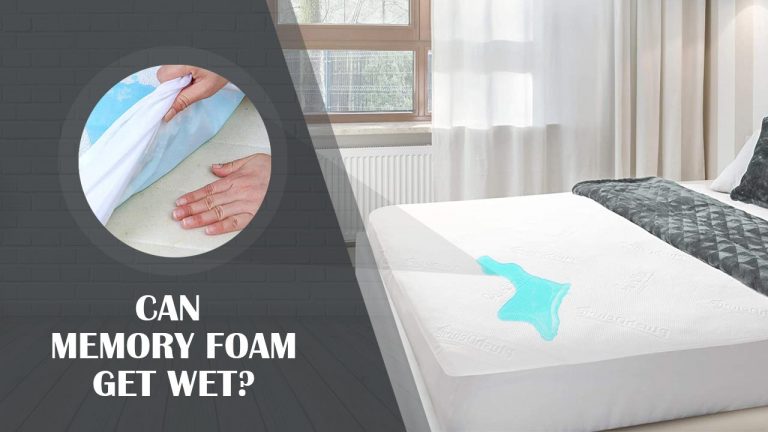
- Protect from moisture: Waterproof mattress protector prevents liquid damage to foam
- Maintain room temperature: Keep bedroom between 65-72°F for optimal gel performance
- Allow air circulation: Remove bedding periodically to let mattress breathe
- Clean spills immediately: Blot liquids without rubbing to prevent foam saturation
- Avoid jumping or excessive force: Prevent foam compression and gel displacement
Foundation Requirements
Gel memory foam mattresses require adequate support to maintain structural integrity and cooling performance. Platform beds or slatted foundations with proper spacing work well for most gel foam constructions.
Avoid old box springs or foundations with wide slat spacing exceeding 4 inches. Inadequate support can cause premature sagging and reduced gel effectiveness in unsupported areas.
Temperature and Humidity Control
Optimal room conditions enhance gel memory foam performance and longevity. Maintain bedroom temperature between 65-72°F and humidity levels below 50% to maximize cooling benefits.
High humidity or temperatures above 75°F can reduce gel effectiveness and accelerate foam degradation. Air conditioning or dehumidifiers may be necessary in humid climates.
Frequently Asked Questions
How long do gel memory foam mattresses last?
Quality gel memory foam mattresses typically last 8-10 years with proper care and maintenance. The gel component may actually extend foam life by reducing thermal degradation compared to traditional memory foam.
Factors affecting longevity include foam density, usage patterns, and care practices. Higher density gel foam (4-5 PCF) generally provides better durability than lower density options.
Do gel memory foam mattresses sleep cooler than regular memory foam?
Yes, gel memory foam mattresses sleep 2-5°F cooler on average compared to traditional memory foam. The cooling effect is most noticeable during initial sleep periods but may diminish as gel reaches thermal equilibrium.
Effectiveness varies by gel integration method, room temperature, and individual heat generation. Phase-change gel technology provides the most consistent cooling performance.
Are gel memory foam mattresses good for side sleepers?
Gel memory foam can work well for side sleepers, though traditional memory foam may provide superior pressure point relief. The key is selecting appropriate firmness levels that accommodate hip and shoulder pressure points.
Side sleepers typically need medium-soft to medium-firm gel memory foam to balance cooling benefits with necessary pressure relief. Zoned gel construction can provide targeted support for different body areas.
Can gel memory foam mattresses cause back pain?
Gel memory foam mattresses can cause back pain if the firmness level doesn’t match individual support needs. Too soft gel foam may allow excessive spinal curvature, while too firm options create pressure points.
Proper firmness selection based on sleep position and body weight typically prevents back pain issues. Most users experience improved back comfort compared to worn or inappropriate mattresses.
How much do gel memory foam mattresses cost?
Gel memory foam mattresses range from $400-2000 depending on brand, construction quality, and size. Entry-level options start around $400-600, while premium models with advanced cooling technology reach $1500-2000.
The price premium over traditional memory foam averages 15-30%, reflecting additional manufacturing complexity and gel material costs. Extended warranties and sleep trials often justify higher prices.
Do gel memory foam mattresses need special bed frames?
Gel memory foam mattresses work with most standard bed frames, platform beds, and adjustable bases. The key requirement is adequate support with slats spaced no more than 3-4 inches apart.
Solid platform beds provide excellent support, while older box springs may lack sufficient rigidity. Adjustable bases work well with gel memory foam and may enhance cooling through improved air circulation.
Can you use an electric blanket with gel memory foam?
Electric blankets can be used with gel memory foam mattresses, but may reduce cooling effectiveness. The added heat can overwhelm gel cooling capacity and negate temperature regulation benefits.
If using electric blankets, keep temperatures moderate and use timer functions to avoid prolonged heating. Consider whether electric blanket use contradicts the cooling benefits you’re seeking from gel memory foam.
How long does it take to break in a gel memory foam mattress?
Gel memory foam mattresses typically require 2-4 weeks for complete break-in, slightly longer than traditional memory foam due to gel component density. Initial firmness gradually softens as materials adjust to regular use.
Room temperature affects break-in time, with warmer environments accelerating the process. Most comfort improvements occur within the first two weeks of regular use.
Are gel memory foam mattresses safe for children?
Quality gel memory foam mattresses meeting CertiPUR-US standards are safe for children. These certifications ensure foam is made without harmful chemicals and meets emission standards for indoor air quality.
Avoid gel memory foam for infants under 12 months due to suffocation risks associated with soft sleep surfaces. Toddlers and older children can safely use appropriate firmness gel memory foam mattresses.
Can you flip a gel memory foam mattress?
Most gel memory foam mattresses cannot be flipped due to layered construction with specific comfort and support layers. However, rotating the mattress 180 degrees every 3-4 months helps prevent uneven wear.
Some specialty gel foam mattresses feature dual-sided construction allowing flipping, but this is uncommon. Check manufacturer instructions before attempting to flip your specific mattress.
Do gel memory foam mattresses off-gas?
New gel memory foam mattresses may produce temporary odors during the first few days after unpacking. This off-gassing is typically minimal with CertiPUR-US certified foams and dissipates quickly with proper ventilation.
Allow new mattresses to air out in a well-ventilated room for 24-48 hours before use. Any initial odors should be mild and disappear within a week of normal use.
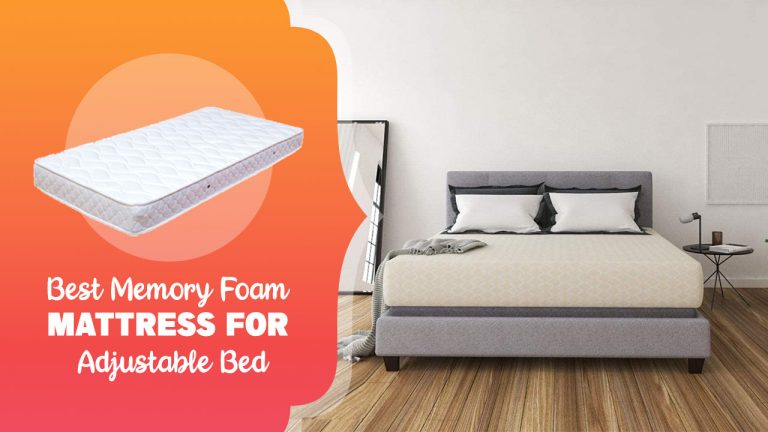
Can gel memory foam mattresses be used on adjustable beds?
Most gel memory foam mattresses work excellently with adjustable bed frames, often better than traditional spring mattresses. The flexible foam construction accommodates bed movement without damage.
Adjustable bases may actually enhance cooling by improving air circulation around the mattress. Ensure the gel foam mattress is rated for adjustable base use and check warranty terms.
What’s the difference between gel-infused and gel-layered memory foam?
Gel-infused memory foam has gel particles mixed throughout the foam during manufacturing, providing uniform cooling distribution. Gel-layered construction uses separate gel sheets or phases integrated between foam layers.
Gel infusion offers consistent cooling but may be less intense, while gel layers provide more concentrated cooling in specific zones. Both methods effectively reduce heat retention compared to traditional memory foam.
How do you clean a gel memory foam mattress?
Clean gel memory foam mattresses by spot-treating stains with mild detergent and water, avoiding saturation. Use a mattress protector to prevent most cleaning needs and protect the gel foam from moisture damage.
Never submerge gel memory foam in water or use harsh chemicals. For persistent odors, sprinkle baking soda, let sit for several hours, then vacuum thoroughly using upholstery attachments.
Are gel memory foam mattresses good for heavy people?
Heavy sleepers (over 230 pounds) can use gel memory foam mattresses but should select higher density options (4-5 PCF) for adequate support and durability. Firmer gel foam constructions prevent excessive sinking.
Look for reinforced edge support and thicker comfort layers to accommodate higher weights. Some manufacturers offer specific models designed for heavier sleepers with enhanced support systems.
Can pets sleep on gel memory foam mattresses?
Pets can sleep on gel memory foam mattresses, but consider using waterproof protectors to guard against accidents. Pet claws may puncture foam surfaces, so trim nails regularly and monitor for damage.
The cooling properties may benefit pets prone to overheating, particularly in warm climates. However, some pets prefer firmer surfaces than gel memory foam typically provides.
Do gel memory foam mattresses work in hot climates?
Gel memory foam mattresses provide cooling benefits in hot climates but may have limitations when room temperatures exceed 75-80°F. The gel can only cool relative to ambient temperature, so extremely hot rooms reduce effectiveness.
Combine gel memory foam with air conditioning, cooling mattress protectors, or breathable bedding for optimal results in hot climates. Phase-change gel technology performs better than basic gel infusion in high temperatures.
How thick should a gel memory foam mattress be?
Gel memory foam mattresses typically range from 8-14 inches thick, with 10-12 inches providing optimal balance of comfort and support for most sleepers. Thicker mattresses offer more gel layers but may retain more heat.
Side sleepers may prefer 12+ inch gel foam for adequate pressure relief, while back and stomach sleepers often find 10-11 inches sufficient. Consider your weight and sleep position when selecting thickness.
Can you use a heating pad with gel memory foam?
Heating pads can be used with gel memory foam mattresses but will counteract cooling benefits. Localized heat may also affect foam properties and reduce gel effectiveness in heated areas.
If using heating pads for therapeutic purposes, use lowest effective settings and consider whether this conflicts with your cooling needs from gel memory foam. Extended heating may accelerate foam aging.
Conclusion
Gel memory foam mattresses successfully address temperature regulation concerns while maintaining the pressure-relieving benefits that make memory foam popular. These mattresses sleep 2-5°F cooler than traditional memory foam and provide excellent motion isolation and spinal support.
The investment in gel technology proves worthwhile for hot sleepers and those seeking temperature-neutral comfort. While initial costs run 15-30% higher than traditional memory foam, improved cooling performance and potential durability benefits justify the premium.
Success with gel memory foam depends on selecting appropriate firmness levels, foam density, and construction quality for your specific sleep needs. Consider sleep position, body weight, and cooling requirements when evaluating options from leading manufacturers.
With proper selection and maintenance, quality gel memory foam mattresses provide 8-10 years of comfortable, temperature-regulated sleep. The technology continues advancing, making gel memory foam an increasingly attractive option for temperature-sensitive sleepers seeking pressure relief without heat retention.