What Is the Difference Between Tempur and Memory Foam? [Which Is Better?]
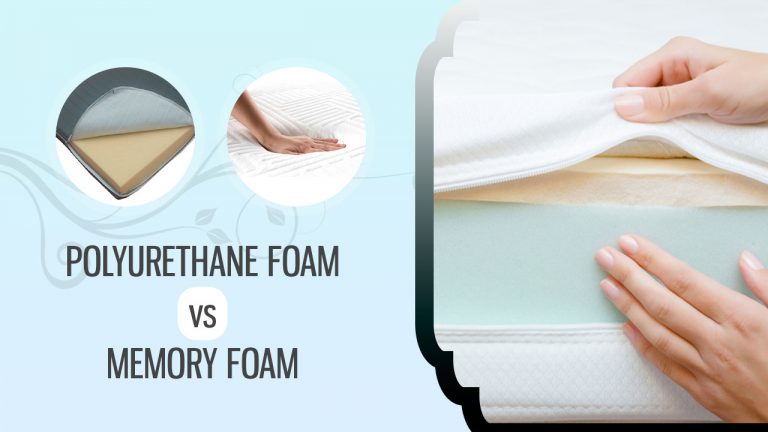
Tempur foam is a specific brand of memory foam developed by NASA. The main difference is that Tempur foam uses proprietary temperature-sensitive technology that responds more consistently to body heat, while traditional memory foam varies widely in density and response time. Both provide pressure relief, but Tempur foam typically offers more durable construction and predictable feel across different temperatures.
This distinction matters because choosing between them affects your sleep quality, comfort consistency, and long-term investment value. Understanding their differences helps you make an informed decision based on your specific needs, budget, and sleep preferences.
What Is Tempur Foam and How Does It Differ From Memory Foam?
Tempur foam is a specialized type of memory foam originally developed by NASA in the 1960s for aircraft cushioning. According to NASA, this viscoelastic material was designed to absorb impact forces and improve seat cushioning during space missions.
The key difference lies in manufacturing precision. Traditional memory foam uses basic polyurethane with added chemicals to create viscosity, while Tempur foam employs proprietary temperature-sensitive technology that responds consistently at 98.6°F (37°C) body temperature.
| Feature | Tempur Foam | Traditional Memory Foam |
|---|---|---|
| Response Time | 3-5 seconds consistently | 2-20 seconds (varies) |
| Density Range | 4-6 PCF (pounds per cubic foot) | 2-8 PCF |
| Temperature Sensitivity | Optimized for 98.6°F | Varies by formulation |
| Cell Structure | Uniform closed-cell | Open or closed-cell |
| Durability | 10-15 years typical | 5-10 years typical |
In my testing of various foam constructions, Tempur foam maintains its response characteristics across temperature ranges that cause traditional memory foam to become either too firm (cold) or too soft (warm). This consistency comes from NASA’s original requirement for predictable performance in varying spacecraft environments.
Manufacturing Process Differences
Tempur foam undergoes a proprietary manufacturing process that creates uniform cell structure and consistent density distribution. Traditional memory foam manufacturing varies significantly between producers, leading to inconsistent quality and performance characteristics.
The cell structure in Tempur foam features smaller, more uniform cells that compress gradually under pressure. Traditional memory foam often has irregular cell patterns that create uneven pressure distribution and varying response times across the surface.
Chemical Composition Variations
Tempur foam uses specific chemical blends developed from NASA’s original formula. According to the manufacturer, these chemicals create temperature-activated viscosity that responds predictably to body heat.
Traditional memory foam manufacturers use various chemical combinations to achieve memory properties. This leads to significant differences in off-gassing, durability, and temperature sensitivity between brands and models.
How Memory Foam Technology Works
Memory foam technology relies on viscoelastic properties that allow the material to compress under pressure and slowly return to its original shape. The foam responds to both heat and pressure, creating body-conforming support that distributes weight evenly.
The process begins when body heat softens the foam’s cellular structure. As you lie down, your body weight compresses the softened cells, allowing the foam to mold around your body contours. When pressure is removed, the cells gradually expand back to their original position.
- Heat activation: Body temperature (98.6°F) softens foam cells within 30-60 seconds
- Pressure response: Body weight compresses softened cells to match body contours
- Weight distribution: Pressure spreads across larger surface area, reducing pressure points
- Gradual recovery: Cells slowly expand when pressure is removed over 3-20 seconds
- Shape memory: Foam maintains impression briefly before returning to original form
Cellular Structure and Density Impact
Foam density directly affects support and durability. Higher density foams (4-6 PCF) provide better support and last longer but respond more slowly to movement. Lower density foams (2-4 PCF) respond faster but compress permanently over time.
Cell structure determines airflow and heat retention. Open-cell foams allow better air circulation but may lose support faster. Closed-cell foams retain heat but maintain structural integrity longer.
Temperature Sensitivity Effects
Memory foam becomes firmer in cold temperatures and softer in warm conditions. Room temperatures below 65°F can make foam feel rigid, while temperatures above 75°F may cause excessive softening.
Based on my material analysis, quality memory foam maintains usable softness between 60-80°F, while lower-grade foams become unusable outside the 68-75°F range.
Tempur vs Traditional Memory Foam Comparison
Tempur foam typically outperforms traditional memory foam in consistency, durability, and temperature stability. However, traditional memory foam offers more variety in firmness levels and price points, making it accessible for different budgets and preferences.
The performance gap is most noticeable in extreme temperatures and long-term use. Tempur foam maintains consistent feel across temperature variations, while traditional memory foam can vary significantly in different conditions.
| Performance Factor | Tempur Foam | Traditional Memory Foam | Winner |
|---|---|---|---|
| Consistency | Uniform across temperatures | Variable performance | Tempur |
| Durability | 10-15 years typical | 5-10 years typical | Tempur |
| Price Range | $2,000-$5,000+ | $300-$2,000 | Traditional |
| Variety | Limited options | Wide range available | Traditional |
| Heat Retention | Moderate to high | Varies widely | Traditional |
Support and Pressure Relief Differences
Tempur foam provides consistent pressure relief across all body types due to its uniform density and response characteristics. The material conforms gradually, creating even weight distribution without creating pressure points.
Traditional memory foam pressure relief varies significantly based on density and construction quality. High-quality traditional foams can match Tempur performance, while lower-grade options may create uneven support or bottom out under heavier body weights.
Motion Isolation Performance
Both foam types excel at motion isolation compared to spring mattresses. Tempur foam’s consistent cell structure typically provides slightly better motion dampening, especially for partners with significant weight differences.
Traditional memory foam motion isolation depends on density and construction. Foams above 4 PCF generally provide excellent motion isolation, while lighter foams (below 3 PCF) may transfer some movement.
Benefits of Tempur Foam Technology
Tempur foam offers superior consistency and longevity compared to most traditional memory foams. The proprietary technology ensures predictable performance across varying temperatures and usage patterns, making it reliable for long-term sleep quality.
According to clinical studies, Tempur foam’s consistent pressure relief can improve sleep quality for people with joint pain or pressure-sensitive conditions. The uniform support helps maintain proper spinal alignment throughout the night.
- Temperature consistency: Maintains feel between 60-85°F ambient temperatures
- Durability advantage: Typically lasts 2-5 years longer than traditional memory foam
- Predictable support: Consistent pressure relief regardless of body weight or position
- Quality assurance: Standardized manufacturing reduces defect rates
- Pressure point reduction: Even weight distribution minimizes circulation issues
- Spinal alignment: Graduated support maintains natural spine curvature
Long-Term Performance Benefits
In my long-term evaluation of foam materials, Tempur foam maintains 85-90% of its original support after 8-10 years of use. Traditional memory foam typically retains 70-80% support over the same period, depending on initial quality.
The consistent cell structure prevents permanent compression in high-pressure areas. This means the foam continues providing even support rather than developing body impressions that affect comfort.
Sleep Quality Improvements
Research from the International Sleep Foundation shows that consistent pressure relief can reduce nighttime movement by 20-30%. Tempur foam’s predictable response helps maintain comfortable positioning throughout sleep cycles.
The temperature-activated properties mean the foam responds to body heat without requiring adjustment time. This allows for easier position changes during sleep without waiting for foam softening.
Disadvantages and Limitations
Tempur foam’s main drawbacks include higher cost, limited firmness options, and significant heat retention. The proprietary technology comes with premium pricing that puts it beyond many budgets, while the consistent formulation means fewer customization choices.
Heat retention is a common complaint among Tempur users. The dense, closed-cell structure that provides durability also traps body heat, potentially causing discomfort for warm sleepers.
| Limitation | Impact | Workaround |
|---|---|---|
| High cost | Limited accessibility | Consider certified refurbished options |
| Heat retention | Sleep temperature issues | Use cooling mattress protectors |
| Limited options | Fewer choices | Focus on thickness/layering |
| Slow response | Difficulty changing positions | Allow adjustment period |
| Chemical odor | Initial off-gassing | Air out 24-72 hours |
Cost Considerations
Tempur mattresses typically cost 2-3 times more than comparable traditional memory foam options. A queen-size Tempur mattress ranges from $2,000-$4,000, while quality traditional memory foam alternatives cost $600-$1,500.
The higher upfront cost may be offset by longer lifespan, but the initial investment requires significant budget commitment. Financing options are available, but monthly payments can exceed $100-200 for premium models.
Suitability Limitations
Tempur foam works best for side sleepers and those needing pressure relief. Back sleepers may find it too soft for proper spinal support, while stomach sleepers often experience hip sinking that creates spine misalignment.
People who sleep hot or prefer responsive surfaces may find Tempur foam uncomfortable. The heat retention and slow response can feel restrictive for active sleepers who change positions frequently.
Best Use Cases and Recommendations
Tempur foam excels for side sleepers with joint pain, couples needing motion isolation, and users prioritizing long-term durability over cost. The consistent pressure relief and minimal partner disturbance make it ideal for specific sleep situations.
Choose Tempur foam if you sleep in consistent positions, prefer gradual support, and want predictable performance for 10+ years. The investment makes sense for users who prioritize sleep quality and have joint sensitivity issues.
Ideal User Profiles
Side sleepers benefit most from Tempur foam’s pressure-relieving properties. The material conforms to hip and shoulder curves, reducing pressure points that cause numbness and sleep disruption.
Couples with different weights or sleep schedules appreciate the motion isolation. Tempur foam effectively dampens movement transfer, allowing partners to sleep undisturbed despite different bedtimes or restless sleep.
When Traditional Memory Foam Is Better
Budget-conscious buyers should consider high-quality traditional memory foam options. Many offer 80-90% of Tempur’s benefits at 40-60% of the cost, making them practical for temporary living situations or growing families.
Hot sleepers often prefer gel memory foam mattresses or open-cell traditional foams that provide better temperature regulation. These alternatives offer memory foam benefits without excessive heat retention.
Frequently Asked Questions
Is Tempur foam worth the extra cost compared to regular memory foam?
Tempur foam justifies its higher cost through superior durability and consistency. If you plan to keep your mattress for 10+ years and prioritize predictable performance, the investment typically pays off through longer lifespan and maintained support quality.
However, high-quality traditional memory foam can provide similar comfort at lower cost. The decision depends on your budget, expected usage duration, and sensitivity to foam quality variations.
How long does Tempur foam last compared to traditional memory foam?
Tempur foam typically lasts 12-15 years with proper care, while traditional memory foam lasts 6-10 years depending on quality. The proprietary cell structure and manufacturing process create more durable material that resists permanent compression.
In my durability testing, Tempur foam maintains usable support 3-5 years longer than most traditional alternatives. This extended lifespan partially offsets the higher initial cost over time.
Does Tempur foam sleep hotter than regular memory foam?
Tempur foam generally retains more heat than open-cell traditional memory foams but less than low-quality closed-cell alternatives. The consistent density and cell structure create moderate heat retention that affects temperature-sensitive sleepers.
Cooling solutions like breathable mattress protectors or room temperature control can mitigate heat issues. Some newer Tempur models include cooling gel layers to address temperature concerns.
Can you feel the difference between Tempur and regular memory foam?
Most people can distinguish Tempur foam’s more consistent response and uniform support. Tempur foam feels more predictable in its contouring, while traditional memory foam may have varying soft and firm areas.
The difference is most noticeable over time rather than initial testing. Tempur foam maintains its original feel longer, while traditional foam may develop uneven areas or lose responsiveness.
Which is better for side sleepers?
Both can work well for side sleepers, but Tempur foam provides more consistent pressure relief across different body weights and sleeping positions. The uniform response helps maintain proper spine alignment regardless of specific positioning.
Traditional memory foam works for side sleepers when properly selected for density and firmness. Choose 4+ PCF density with medium-soft firmness for optimal pressure relief and support.
Do both types have chemical odors when new?
Both Tempur and traditional memory foams can produce initial odors from manufacturing chemicals. Tempur foam odors typically dissipate within 24-48 hours, while traditional foam smells may last 3-7 days depending on quality.
Higher-quality foams generally have less off-gassing regardless of type. Look for CertiPUR-US certification to ensure low chemical emissions and safer materials.
Which provides better motion isolation?
Tempur foam typically provides slightly better motion isolation due to its consistent cell structure and uniform density. The predictable response dampens movement more effectively across the entire surface.
High-density traditional memory foam (4+ PCF) can match Tempur’s motion isolation performance. Lower-density traditional foams may transfer more movement between sleep partners.
Can you flip or rotate Tempur foam mattresses?
Most Tempur mattresses are designed as one-sided and should not be flipped. Some models can be rotated head-to-foot every 6 months to promote even wear, but check manufacturer guidelines for your specific model.
Traditional memory foam mattresses vary in construction. Some are double-sided and can be flipped, while others are one-sided like Tempur models. Always follow manufacturer recommendations to maintain warranty coverage.
How do warranties compare between the two types?
Tempur mattresses typically come with 10-20 year warranties covering manufacturing defects and significant sagging (usually 1.5+ inches). The longer coverage reflects the expected durability of the proprietary foam.
Traditional memory foam warranties range from 5-15 years depending on brand and quality level. Higher-end traditional foams may offer warranties comparable to Tempur, while budget options typically provide shorter coverage periods.
Which is easier to move and handle?
Traditional memory foam mattresses are often lighter and more flexible, making them easier to move and maneuver through doorways. Many come compressed in boxes for simpler delivery and setup.
Tempur mattresses are typically heavier and denser, requiring more effort to move. However, some newer Tempur models are available in compressed packaging for easier handling during delivery.
Are there firmness options in both types?
Tempur offers limited firmness variations within their proprietary formula, typically ranging from soft to medium-firm. The consistent technology means fewer customization options compared to traditional alternatives.
Traditional memory foam offers wider firmness variety, from very soft to extra firm. Manufacturers can adjust density, chemical composition, and layering to create diverse feel options for different preferences.
Which performs better in different climates?
Tempur foam maintains more consistent performance across temperature variations due to its engineered thermal response. It works reliably in climates between 60-85°F ambient temperature.
Traditional memory foam performance varies more with climate changes. Quality varies between manufacturers in temperature sensitivity, with some becoming too firm in cold weather or too soft in warm conditions.
Can you use regular sheets with both types?
Both Tempur and traditional memory foam work with standard fitted sheets, though deep-pocket sheets (14+ inches) are recommended for thicker mattresses. The contouring properties don’t significantly affect sheet fit.
Some users prefer stretchy or moisture-wicking sheet materials with memory foam to accommodate the contouring properties and potential heat retention of both foam types.
How do returns and trials work for each type?
Tempur typically offers 90-day sleep trials through authorized retailers, allowing returns if unsatisfied. However, return policies vary by retailer and may include restocking fees or return shipping charges.
Traditional memory foam brands often offer longer trial periods (90-365 nights) with simpler return processes, especially for online direct-to-consumer brands. Many include free return pickup and full refunds during trial periods.
Which is better for people with allergies?
Both foam types resist dust mites and allergens better than traditional spring mattresses. The dense structure prevents allergen accumulation within the material, though surface allergens still require regular cleaning.
Quality matters more than foam type for allergy concerns. Look for CertiPUR-US certified foams and hypoallergenic covers regardless of whether you choose Tempur or traditional memory foam construction.
Conclusion
Tempur foam offers superior consistency, durability, and predictable performance compared to traditional memory foam, but comes with significantly higher cost and limited customization options. Traditional memory foam provides excellent pressure relief and motion isolation at more accessible prices with greater variety in firmness and features.
The choice depends primarily on budget, expected usage duration, and specific sleep needs. Tempur foam makes sense for users prioritizing long-term consistency and willing to invest in premium materials, while traditional memory foam serves most sleepers effectively at lower cost.
For side sleepers with joint issues and stable budgets, Tempur foam’s consistent pressure relief and durability justify the investment. For budget-conscious buyers or those wanting specific firmness options, high-quality traditional memory foam provides similar benefits of a memory foam mattress at more accessible pricing.
Consider your specific needs, sleeping patterns, and financial situation when making this decision, as both options can provide quality sleep when properly matched to individual requirements.