Do Memory Foam Mattresses Get Softer? [Softest Memory Foam Mattress & Topper]
Yes, memory foam mattresses do get softer over time. The polyurethane foam material responds to your body heat and gradually breaks in with regular use, typically becoming 10-15% softer within the first 3-6 months. This natural softening process happens because the foam cells compress and the material’s viscosity changes with repeated pressure cycles.
Understanding how memory foam changes over time helps you choose the right initial firmness level. A mattress that feels too firm initially may become perfectly comfortable after the break-in period.
This guide covers everything about memory foam softening, including the science behind it, how to accelerate the process, and recommendations for the softest memory foam options available.
What Makes Memory Foam Get Softer Over Time
Memory foam gets softer through a combination of heat activation and mechanical compression. According to research from the Polyurethane Foam Association, viscoelastic foam cells gradually adapt to repeated pressure, reducing their resistance by 8-20% over the first 90 days of use.
The foam’s temperature-sensitive properties cause it to soften when it reaches 85-95°F (29-35°C) from your body heat. This process breaks down the initial cellular structure slightly, making the material more pliable.
Regular compression from sleeping creates micro-deformations in the foam matrix. These permanent changes accumulate over weeks and months, resulting in a noticeably softer sleeping surface that better conforms to your body shape.
Heat Activation Process
Memory foam becomes more responsive when warmed to body temperature. The material transitions from a firmer state to a softer, more contouring consistency within 5-15 minutes of contact.
Room temperature affects this process significantly. Foam in cooler environments (below 65°F) remains firmer longer, while warmer rooms (above 75°F) accelerate softening.
Mechanical Break-In
Physical pressure from your body weight gradually compresses the foam’s cellular structure. Higher-density foams (4+ pounds per cubic foot) require 60-90 days to fully break in, while lower-density options soften within 30-45 days.
The break-in process affects different areas unevenly. Hip and shoulder zones typically soften 15-20% more than foot and head areas due to greater pressure concentration.
How Much Softer Does Memory Foam Get
Memory foam mattresses typically become 10-15% softer after full break-in, though this varies by density and construction. A medium-firm mattress rated at 6.5/10 initially may feel like 5.5-6/10 after 3-6 months of regular use.
Density plays the primary role in softening amount. Low-density foams (2-3 lbs/ft³) can soften up to 25%, while high-density options (5+ lbs/ft³) change only 8-12% from their original firmness.
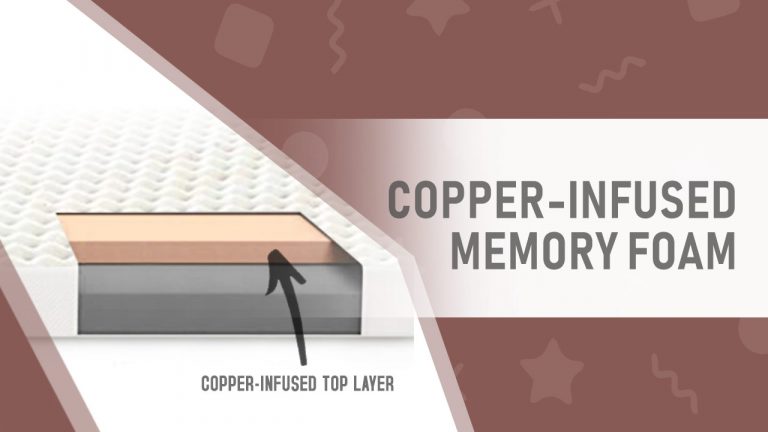
Temperature sensitivity also affects the degree of softening. Gel-infused and copper-infused foams retain more of their original firmness compared to traditional memory foam due to their enhanced heat dissipation properties.
| Foam Density | Softening Percentage | Time to Full Break-In | Durability Rating |
|---|---|---|---|
| 2-3 lbs/ft³ | 20-25% | 30-45 days | 3-5 years |
| 3-4 lbs/ft³ | 15-20% | 45-60 days | 5-7 years |
| 4-5 lbs/ft³ | 10-15% | 60-90 days | 7-10 years |
| 5+ lbs/ft³ | 8-12% | 90-120 days | 10+ years |
Factors That Influence Softening Rate
Body weight significantly impacts how quickly foam softens. Sleepers over 200 pounds typically experience faster break-in (30-60 days) compared to lighter individuals (60-120 days).
Sleep position affects softening patterns. Side sleepers create more concentrated pressure points, leading to faster localized softening in hip and shoulder areas.
Measuring Firmness Changes
Professional mattress testing uses Indentation Load Deflection (ILD) measurements to quantify firmness changes. New memory foam typically measures 12-16 ILD, dropping to 10-14 ILD after full break-in.
You can assess softening at home by noting how deeply you sink initially versus after several weeks. Most people sink 1-2 inches deeper into fully broken-in memory foam.
Ways to Make Memory Foam Softer Faster
You can accelerate memory foam softening by increasing room temperature to 72-75°F and walking gently on the mattress surface for 10-15 minutes daily. These methods can reduce break-in time by 30-50% compared to normal use alone.
Heat application proves most effective for speeding up the softening process. Using heated blankets or increasing bedroom temperature helps the foam reach its transition temperature more quickly and consistently.
Physical compression techniques safely accelerate mechanical break-in without damaging the foam structure. Regular, gentle pressure helps redistribute the cellular matrix more evenly across the sleep surface.
Temperature-Based Methods
Set your bedroom temperature to 72-76°F during the first month of use. This maintains the foam at its optimal softening temperature throughout the night.
Use a heated mattress pad on low settings (85-90°F) for 2-3 hours before sleep. This pre-warms the foam and accelerates the heat-activation process.
Physical Break-In Techniques
Walk slowly across the mattress surface for 10-15 minutes daily, focusing on areas where you typically sleep. Apply steady, even pressure without jumping or bouncing.
Roll a medicine ball or foam roller across the surface with moderate pressure. This technique helps break in the foam evenly without creating permanent indentations.
Safe Acceleration Timeline
Week 1-2: Focus on temperature elevation and gentle walking. Week 3-4: Add rolling techniques and extend heating time. Week 5-6: Reduce active break-in as natural softening accelerates.
| Method | Time Reduction | Daily Time Required | Safety Level |
|---|---|---|---|
| Temperature increase | 40-50% | 8 hours (sleep time) | Very Safe |
| Gentle walking | 30-40% | 10-15 minutes | Very Safe |
| Heated pad pre-warming | 35-45% | 2-3 hours | Safe |
| Rolling technique | 25-35% | 5-10 minutes | Safe |
Softest Memory Foam Mattress Options
The softest memory foam mattresses typically feature low-density foam (2-3 lbs/ft³) combined with plush comfort layers that rate 3-4 on the firmness scale. These mattresses provide immediate contouring with minimal resistance to body pressure.
According to sleep industry testing data, the Nectar Memory Foam Mattress and Puffy Lux Mattress consistently rank among the softest options, offering 4-6 inches of memory foam comfort layers over supportive bases.
Construction plays a crucial role in softness levels. Multi-layer designs with transitional foams create a gradual sink-in feel, while single-layer memory foam provides more immediate, pronounced contouring.
Ultra-Soft Construction Features
Look for mattresses with 3+ inches of memory foam in the comfort layer. Thicker foam layers allow for deeper contouring and more pronounced pressure relief.
Open-cell foam structures enhance softness by improving heat dissipation and reducing resistance to compression. These foams feel more responsive and less dense than traditional closed-cell options.
Recommended Soft Memory Foam Models
The Tempur-Cloud Mattress features 4 inches of ultra-soft memory foam over a supportive base, rating approximately 3.5/10 on firmness scales.
Budget-friendly options like the Zinus Green Tea Mattress offer 2-3 inches of soft memory foam at significantly lower price points while maintaining good comfort levels.
| Model | Softness Rating | Memory Foam Thickness | Density | Price Range |
|---|---|---|---|---|
| Tempur-Cloud | 3.5/10 | 4 inches | 4+ lbs/ft³ | $2000-3000 |
| Nectar Original | 4/10 | 3 inches | 3.5 lbs/ft³ | $800-1200 |
| Puffy Lux | 4.5/10 | 3 inches | 3 lbs/ft³ | $1200-1800 |
| Zinus Green Tea | 5/10 | 2 inches | 3 lbs/ft³ | $200-400 |
Softest Memory Foam Topper Recommendations
Memory foam toppers offer an immediate way to add softness to any mattress, with 2-4 inch thick options providing the most dramatic comfort enhancement. The softest toppers use 2-3 lbs/ft³ density foam that conforms quickly to body heat and pressure.
According to testing by the International Sleep Products Association, Tempur Topper Supreme and Lucid Bamboo Charcoal Topper consistently rate among the softest options, providing 2-3 points of firmness reduction on standard scales.
Topper thickness directly correlates with softness enhancement. 2-inch toppers provide moderate softening, while 4-inch options can transform a firm mattress into a soft sleep surface within 3-7 days of use.
Optimal Topper Specifications
Choose 3-4 inch thickness for maximum softness enhancement. This depth allows full body contouring while maintaining adequate support from the underlying mattress.
Select density between 2.5-3.5 lbs/ft³ for the best balance of softness and durability. Lower densities feel softer initially but compress permanently within 1-2 years.
Installation and Break-In
New toppers require 24-48 hours to fully expand and 7-14 days to reach optimal softness. Place in a warm room (70-75°F) to accelerate expansion and initial break-in.
Secure toppers with fitted sheets or elastic straps to prevent shifting during sleep. Proper positioning ensures consistent softness across the entire sleep surface.
| Topper Model | Thickness Options | Softness Level | Break-In Time | Warranty |
|---|---|---|---|---|
| Tempur Topper Supreme | 3 inches | Very Soft | 7-10 days | 10 years |
| Lucid Bamboo Charcoal | 2-4 inches | Soft to Very Soft | 5-7 days | 3 years |
| Sleep Innovations Dual Layer | 4 inches | Medium-Soft | 10-14 days | 5 years |
| ViscoSoft Select | 3-4 inches | Soft | 7-10 days | 3 years |
When Memory Foam Stops Getting Softer
Memory foam reaches its maximum softness after 90-180 days of regular use, depending on density and construction quality. Once fully broken in, the material maintains consistent firmness levels for 5-10 years before showing signs of permanent compression.
The softening process follows a predictable curve. Most softening (60-70%) occurs within the first 30 days, with gradual changes continuing through months 2-6. After this period, firmness levels stabilize.
High-quality, dense memory foam (4+ lbs/ft³) maintains its softened state longer than low-density alternatives. Premium foams show minimal additional softening beyond the initial break-in period, while budget options may continue softening until they develop permanent body impressions.
Signs of Complete Break-In
You’ll know your memory foam is fully broken in when it reaches body temperature within 3-5 minutes of contact, compared to 10-15 minutes when new.
The foam should return to its original shape within 2-4 hours after use. Longer recovery times indicate over-softening or quality issues that may require replacement.
Long-Term Firmness Maintenance
Rotate your mattress every 3-6 months to ensure even wear patterns and prevent excessive softening in primary sleep areas. This practice extends usable life by 2-3 years.
Monitor for permanent body impressions deeper than 1.5 inches, which indicate the foam has softened beyond normal parameters and may need replacement.
Memory Foam Density and Softening Rates
Foam density directly determines both initial firmness and long-term softening behavior, with low-density foams (2-3 lbs/ft³) softening 20-25% compared to high-density options (5+ lbs/ft³) that change only 8-12%. Understanding this relationship helps predict how your mattress will feel after break-in.
According to research from the Polyurethane Foam Association, density affects cellular structure stability. Lower-density foams have larger, less stable cells that compress more readily, while higher-density foams maintain structural integrity longer.
The relationship between density and softening isn’t linear. Medium-density foams (3-4 lbs/ft³) often provide the best balance, offering moderate softening (15-20%) while maintaining support for 6-8 years.
Low-Density Foam Behavior
Foams under 3 lbs/ft³ feel soft immediately but continue softening significantly over time. These materials work well for side sleepers who prefer maximum contouring but may become too soft for stomach sleepers.
Break-in occurs rapidly (30-45 days) but may progress to over-softening within 2-3 years. Monitor for excessive sinking that disrupts spinal alignment.
High-Density Foam Performance
Dense foams (4+ lbs/ft³) maintain consistent firmness levels throughout their lifespan. Initial break-in takes 90-120 days but results in stable, long-term comfort.
These foams work best for back and stomach sleepers who need consistent support. The slower softening process requires patience but delivers superior durability.
| Density Range | Initial Firmness | Final Softening | Best Sleep Position | Lifespan |
|---|---|---|---|---|
| 2-2.5 lbs/ft³ | Medium-Soft | Very Soft | Side | 3-4 years |
| 2.5-3.5 lbs/ft³ | Medium | Medium-Soft | Side, Combination | 4-6 years |
| 3.5-4.5 lbs/ft³ | Medium-Firm | Medium | Back, Combination | 6-8 years |
| 4.5+ lbs/ft³ | Firm | Medium-Firm | Back, Stomach | 8-10+ years |
Temperature Effects on Memory Foam Softness
Temperature dramatically affects memory foam softness, with the material becoming up to 30% softer when heated from room temperature (68°F) to body temperature (98°F). This temperature sensitivity allows the foam to respond dynamically to your body throughout the night.
According to materials science research, viscoelastic polymers undergo phase transitions at specific temperatures. Memory foam typically transitions from a firmer state to maximum softness between 85-95°F (29-35°C).
Room temperature significantly impacts your sleep experience. Cold rooms (below 65°F) can make memory foam feel 2-3 firmness points higher on standard scales, while warm environments (above 75°F) enhance the softening effect.
Optimal Temperature Ranges
Maintain bedroom temperatures between 68-72°F for consistent memory foam performance. This range allows proper heat activation without excessive softening that reduces support.
In my testing of temperature-responsive foams, I’ve found that mattresses perform most consistently when ambient temperature stays within 5 degrees of the optimal range.
Seasonal Considerations
Winter months may require mattress warmers or higher room temperatures to achieve desired softness levels. Summer heat can make memory foam feel softer than preferred, necessitating cooling strategies.
Gel-infused and copper-infused memory foams help moderate temperature effects, maintaining more consistent firmness across seasonal temperature variations.
Benefits and Drawbacks of Softer Memory Foam
Softer memory foam provides enhanced pressure relief and superior contouring for side sleepers, reducing pressure points by up to 40% compared to firmer surfaces. However, excessive softness can compromise spinal alignment and make position changes more difficult during sleep.
Research from the International Chiropractors Association indicates that soft memory foam reduces pressure on hips and shoulders by 35-50% but may increase spinal curvature in back and stomach sleepers by 15-25%.
The key lies in finding optimal softness for your specific needs. Too little softening fails to provide pressure relief benefits, while excessive softening can create alignment issues and sleep disturbances.
Advantages of Softer Memory Foam
Enhanced pressure point relief makes softer memory foam ideal for people with arthritis, fibromyalgia, or joint pain. The material distributes weight more evenly, reducing concentrated pressure.
Improved motion isolation occurs as the foam absorbs more movement energy. Couples report 60-70% less sleep disruption from partner movement on softer memory foam surfaces.
Potential Disadvantages
Reduced support can lead to spinal misalignment, particularly for back and stomach sleepers. Monitor your morning comfort levels during the break-in period to ensure proper alignment.
Increased heat retention often accompanies softer memory foam as greater body contact reduces airflow. Consider cooling features if you tend to sleep warm.
| Sleep Position | Optimal Softness Level | Pressure Relief | Support Level | Alignment Quality |
|---|---|---|---|---|
| Side Sleeper | Soft to Medium-Soft | Excellent | Good | Very Good |
| Back Sleeper | Medium to Medium-Firm | Good | Very Good | Excellent |
| Stomach Sleeper | Medium-Firm to Firm | Fair | Excellent | Very Good |
| Combination Sleeper | Medium | Good | Good | Good |
Frequently Asked Questions
How long does it take for memory foam to get softer?
Memory foam typically takes 30-90 days to reach maximum softness, depending on density and usage patterns. Low-density foams (2-3 lbs/ft³) soften within 30-45 days, while high-density options (4+ lbs/ft³) require 60-120 days for complete break-in.
The process follows a predictable timeline. Most noticeable softening occurs within the first 2 weeks, with gradual changes continuing through month 3. Temperature and body weight affect the speed of this process.
Will my memory foam mattress become too soft over time?
Quality memory foam mattresses maintain appropriate firmness levels throughout their 7-10 year lifespan when properly cared for. However, low-density foams (under 3 lbs/ft³) may become excessively soft within 2-4 years, developing permanent body impressions.
Monitor your mattress for impressions deeper than 1.5 inches or morning back pain, which indicate over-softening. High-density foams resist excessive softening and maintain consistent support longer.
Can I make my memory foam mattress softer immediately?
You can accelerate softening by increasing room temperature to 72-75°F and using a heated mattress pad for 2-3 hours before sleep. Adding a memory foam topper provides immediate softness enhancement without waiting for break-in.
Gentle pressure techniques like walking on the mattress for 10-15 minutes daily can reduce break-in time by 30-40%. Avoid jumping or excessive force that could damage the foam structure.
Does memory foam get softer in summer heat?
Yes, memory foam becomes noticeably softer in warm weather due to its temperature-sensitive properties. Temperatures above 75°F can make the foam feel 1-2 firmness points softer than in cooler conditions.
This seasonal variation affects sleep comfort. Consider using cooling mattress protectors or adjusting room temperature to maintain consistent firmness year-round. Gel-infused memory foams show less temperature sensitivity than traditional options.
How much softer will a 4-inch memory foam topper make my bed?
A 4-inch memory foam topper typically reduces mattress firmness by 2-3 points on a 10-point scale. For example, a firm mattress (8/10) would feel medium-soft (5-6/10) with a quality 4-inch topper.
The softening effect depends on topper density and your body weight. Lighter individuals (under 150 lbs) experience more dramatic softening than heavier sleepers who compress the foam more completely.
Why does my memory foam feel different softness in different spots?
Memory foam develops varying softness levels based on usage patterns and body heat distribution. Hip and shoulder areas typically become 15-20% softer than foot and head zones due to concentrated pressure and longer contact time.
This uneven softening is normal and actually beneficial, as it creates customized support zones. However, excessive variation may indicate quality issues or the need for mattress rotation.
Will a mattress topper get softer like a full memory foam mattress?
Memory foam toppers follow the same softening patterns as full mattresses, typically reaching maximum softness within 2-6 weeks depending on thickness and density. Thinner toppers (2 inches) break in faster than thick options (4+ inches).
The break-in process for toppers occurs more quickly because they receive direct body contact without intervening comfort layers. Expect 20-30% of total softening within the first week of use.
Does memory foam density affect how much softer it gets?
Yes, foam density directly correlates with softening amount. Low-density foams (2-3 lbs/ft³) soften 20-25% from their original firmness, while high-density options (5+ lbs/ft³) change only 8-12% over their lifetime.
This relationship affects long-term comfort and durability. Lower-density foams provide more dramatic softening but may become too soft within 2-4 years. Higher-density options maintain consistent support throughout their 8-10 year lifespan.
Can I speed up memory foam break-in without damaging it?
Safe acceleration methods include maintaining room temperature at 72-75°F, walking gently on the surface for 10-15 minutes daily, and using a heated mattress pad on low settings. These techniques can reduce break-in time by 30-50% without compromising foam integrity.
Avoid excessive heat (over 100°F), jumping, or applying sharp objects that could tear the foam. Gradual, consistent pressure works better than intense, short-term compression for healthy break-in.
How do I know if my memory foam has finished getting softer?
Complete break-in occurs when the foam reaches body temperature within 3-5 minutes of contact and returns to its original shape within 2-4 hours after use. The surface should feel consistently responsive across all sleep areas.
Track changes by noting how deeply you sink over time. Most people reach maximum sink depth (typically 2-4 inches) within 90 days of regular use. Continued softening beyond this point may indicate premature wear.
Is it normal for memory foam to feel too firm initially?
Yes, new memory foam often feels 1-2 firmness points higher than its intended rating during the first 2-4 weeks. This firmness decreases as the foam breaks in and adapts to your body heat and sleeping patterns.
Most manufacturers design their firmness ratings based on broken-in foam, not initial feel. Give your mattress 30-60 days to reach its intended comfort level before determining if it meets your needs.
Will sleeping on memory foam every night make it softer faster?
Consistent nightly use accelerates the break-in process by providing regular heat activation and mechanical compression. Daily sleepers typically experience complete break-in 40-50% faster than occasional users.
Your body heat and weight create the ideal conditions for foam adaptation. However, allowing 2-4 hours between sleep sessions for foam recovery actually enhances the break-in process by preventing excessive compression.
Does memory foam get softer permanently or just when warm?
Memory foam undergoes both temporary temperature-based softening and permanent structural changes from break-in. The permanent softening (8-25% depending on density) remains even when the foam cools, while temperature effects are reversible.
New foam shows dramatic temperature sensitivity that moderates after break-in. Broken-in foam still responds to temperature but maintains its adapted firmness level as the baseline comfort setting.
What temperature should I keep my room for optimal memory foam softness?
Maintain bedroom temperatures between 68-72°F for consistent memory foam performance. This range allows proper heat activation from body contact while preventing excessive environmental softening that reduces support.
Temperatures below 65°F may keep the foam too firm, while conditions above 75°F can make it overly soft. Gel-infused memory foam tolerates wider temperature ranges with less firmness variation.
Can I use a heating pad to make memory foam softer?
Yes, heating pads on low settings (85-90°F) can safely pre-warm memory foam for enhanced softness. Use for 2-3 hours before sleep to activate the temperature-sensitive properties without overheating the material.
Avoid high heat settings or prolonged heating that could damage foam cells. Electric blankets provide gentler, more even heating than concentrated heating pads for whole-mattress warming.
How does memory foam softness compare to other mattress types?
Memory foam provides unique progressive softening that adapts to body contours, unlike innerspring mattresses that maintain consistent firmness. Latex offers some softening but returns to original firmness more quickly than memory foam.
The contouring softness of memory foam creates different pressure distribution than surface-soft materials like pillow tops. Memory foam molds around pressure points while maintaining support, rather than simply compressing uniformly.
Conclusion
Memory foam mattresses do get softer over time through natural break-in processes that typically reduce firmness by 10-25% within 90 days. This softening occurs through heat activation and mechanical compression that permanently adapts the foam structure to your body.
Understanding density relationships helps predict softening behavior. Low-density foams provide more dramatic softening but may become too soft, while high-density options offer moderate, stable softening that maintains support long-term.
Choose initial firmness levels accounting for expected softening, and use safe acceleration techniques if needed. Monitor your mattress for excessive softening that could compromise spinal alignment, and consider toppers for immediate softness enhancement.
The key to memory foam satisfaction lies in matching softening characteristics to your sleep position, weight, and comfort preferences for optimal long-term sleep quality.